Get your free personalized podcast brief
We scan new podcasts and send you the top 5 insights daily.
After a decade of operating, the pressure to prove a strategy and attract capital subsides. This allows an investor to avoid participating in popular but uncomfortable market trends, leading to greater clarity and focus on their own process.

Related Insights
The common advice to avoid trends focuses on market saturation. The less obvious reason is to avoid investor competition, which inflates valuations and erodes returns. A contrarian approach avoids both forms of competition simultaneously.
![Scott Nolan - SpaceX, Founders Fund, and Rebuilding American Uranium Enrichment - [Invest Like the Best, EP.467] thumbnail](https://megaphone.imgix.net/podcasts/5edee546-3776-11f1-b41d-a76759576e87/image/908aaa6e87baf2b3d364892c4b7f9fd8.jpg?ixlib=rails-4.3.1&max-w=3000&max-h=3000&fit=crop&auto=format,compress)
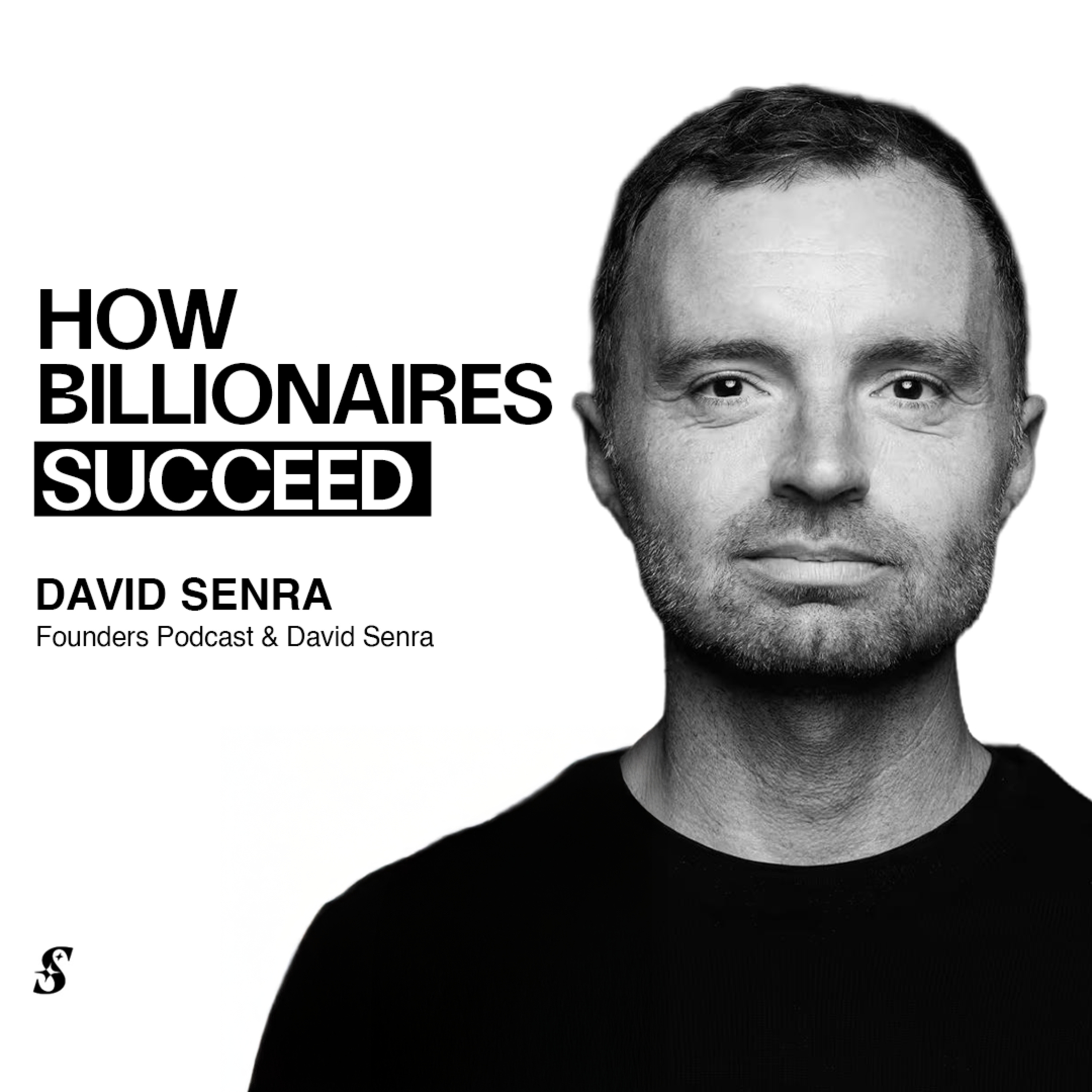
Success for a year or even five is common; success for decades is rare and contains unique lessons. Prioritize durability above all else by studying and speaking with people who have maintained high performance over extremely long periods. This provides a filter for timeless, compoundable wisdom.
Judging investment skill requires observing performance through both bull and bear markets. A fixed period, like 5 or 10 years, can be misleading if it only captures one type of environment, often rewarding mere risk tolerance rather than genuine ability.

Great investment outcomes often require weathering long periods of underperformance. The ability to remain patient, like holding a stock through five years of losses before it triples, is a critical skill. This long-term conviction, grounded in business fundamentals, is what separates successful investors from the rest.

The early days are about survival, but the mid-stage growth phase (years 3-10) is when founders are most likely to be swayed by outside investors and partners. This is the most critical time to trust your unique, hard-earned knowledge of the business.

Contrary to the modern venture mantra of hyper-growth or bust, the classic "T2D3" model is not dead. Patient investors recognize that great companies take over a decade to build. Seed extension rounds for companies abandoned by momentum investors can present the most opportune moments to invest, as reality often takes longer than the hype cycle allows.

Historical analysis of investors like Ben Graham and Charlie Munger reveals a consistent pattern: significant, multi-year periods of lagging the market are not an anomaly but a necessary part of a successful long-term strategy. This reality demands structuring your firm and mindset for inevitable pain.

To combat the urge for constant activity, which often harms returns, investor Stig Brodersen intentionally reviews his portfolio's performance only once a year. This forces a long-term perspective and prevents emotional, short-sighted trading based on market fluctuations.
Humans are psychologically wired for annual cycles, making multi-year patience extremely difficult and therefore scarce. However, the most powerful forces in investing—like compounding and valuation mean-reversion—only create significant outperformance over a decade, making patience a critical competitive advantage.
While institutional money managers operate on an average six-month timeframe, individual investors can gain a significant advantage by adopting a minimum three-year outlook. This long-term perspective allows one to endure volatility that forces short-term players to sell, capturing the full compounding potential of great companies.
