Get your free personalized podcast brief
We scan new podcasts and send you the top 5 insights daily.
While technically one of 12 votes, the Federal Reserve Chair holds immense power by controlling the agenda. The Chair determines the specific policy proposal—"alternative B"—that the committee votes on. This ability to frame the decision makes their influence far greater than a single vote suggests.

Related Insights
While interest rates are set by a committee vote, the Federal Reserve Chair wields immense influence by deciding what policy to propose and acting as the primary communicator to markets. The public and financial markets give deference to the chair's views, making their ability to shape the narrative a powerful tool.

The push to limit forward guidance, reduce press conferences, and silence dissenting Fed presidents is not just about improving clarity. It's a strategic move to centralize messaging and control the narrative within the Fed Chair's office, thereby increasing their personal influence over policy direction and market expectations.

Although the Federal Reserve's interest rate decisions are made by a 12-person committee, the Chair holds disproportionate power. They are not just one vote among equals; they determine what policy options are on the table and frame the primary proposal that is ultimately voted on, heavily influencing the final outcome.
The Fed Chair is just one vote on the FOMC and cannot unilaterally dictate policy. To be effective, they must persuade other governors and regional presidents. A nominee like Kevin Warsh, perceived as partisan and not data-driven, may struggle to build the necessary consensus to implement his agenda, rendering him less powerful than expected.

Despite their public prominence, the Fed Chair only has one of twelve votes on the FOMC. Their influence stems from persuading committee members. Chairs avoid being outvoted by understanding the committee's consensus and sometimes aligning with it rather than forcing a losing vote.
To ensure smooth policy decisions, modern Fed chairs like Jerome Powell personally call all 18 voting and non-voting FOMC members before each meeting. This intensive, bilateral communication process is key to building consensus and setting the meeting's agenda.
While presidents focus on interest rates, a Fed Chair like Kevin Warsh has limited sway as one of 12 votes. His real impact will be on technical areas like the Fed's balance sheet, where he has stronger personal convictions and faces less political scrutiny.
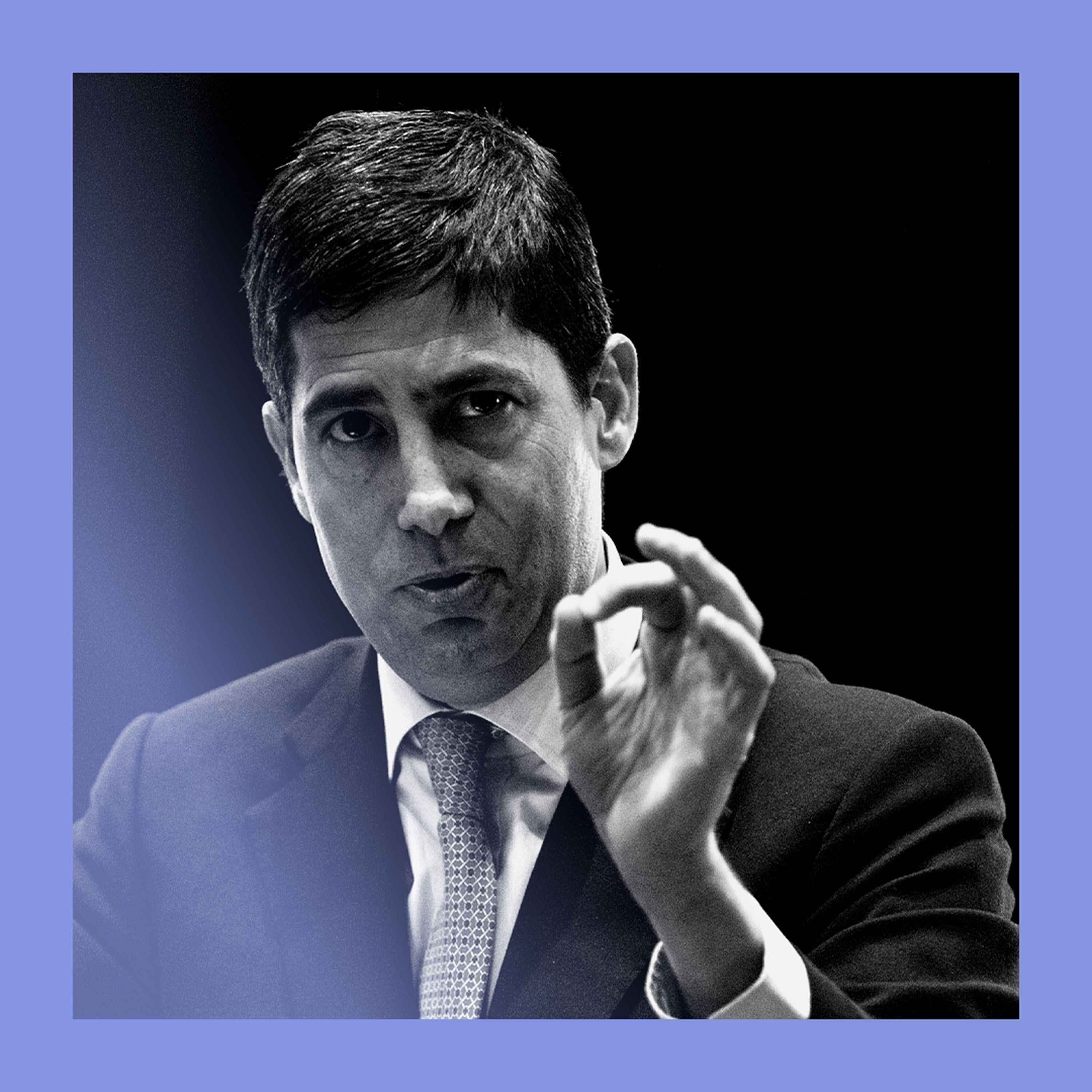
While interest rate and balance sheet decisions require a formal FOMC committee vote, the Fed's communication strategy—including forward guidance and press conference frequency—is largely determined by the Chair's personal preference, not a committee consensus. This gives the Chair significant power to shape market narratives and operations.

The Fed Chair leads policy but cannot dictate it. They must build consensus within the Federal Open Market Committee (FOMC), where dissents are not uncommon. History shows chairs like Volcker and Bernanke faced significant internal resistance and had to aggressively persuade members to follow their lead.

A new Fed Chair cannot unilaterally shift monetary policy by large margins (e.g., 1-2 percentage points). Policy is made by the Federal Open Market Committee (FOMC), where the chair must build consensus. History shows that dissents are not uncommon, limiting a chair's ability to enact radical changes.