Get your free personalized podcast brief
We scan new podcasts and send you the top 5 insights daily.
When investing in a post-bankruptcy company, Robotti's firm was welcomed by the CEO. The existing owners (banks) were short-term and wanted out, creating instability. A long-term shareholder's perspective aligns with management's desire for job security and the ability to execute a multi-year strategy.

Related Insights
When facing severe financial pressure and a low stock price, a CEO's instinct to protect their team can be the right long-term move. Paul Friedman of Incyte resisted board demands for downsizing, arguing the financial impact would be minimal while the cultural damage would be irreversible, and successfully found alternative funding instead.

To prevent the next generation of leaders from being burdened by debt, WCM's founders transfer their ownership stakes at book value—not market value. This massive personal financial sacrifice is designed to ensure the firm's long-term health and stability over founder enrichment.
![[REPLAY] Paul Black and Mike Trigg – How to Build a $100B Money Manager (Capital Allocators, EP.227) thumbnail](https://static.libsyn.com/p/assets/f/b/7/6/fb76e1c8bfb69e8dd959afa2a1bf1c87/CA_Square_logo_light_background_6.26.24.jpg)
The firm's indefinite hold period changes behavior, just as one treats their own car versus a rental. This long-term ownership mindset incentivizes deep, fundamental investments in the business's people, systems, and culture, rather than just cosmetic improvements designed to maximize value for a quick sale.

In a distressed scenario, simply asserting seniority as a junior capital provider is ineffective. You cannot force the majority owner and management team, whom you've just told are worthless, to run the business for your benefit. The only viable path is to renegotiate and realign incentives for all parties to work towards a recovery together.
When pursuing a distressed company, understand the investors' intrinsic motivations. They often prioritize avoiding a public failure and protecting their reputation with LPs over recouping sunk capital. Frame the deal as a success story for them, not a fire sale.

Speaking out on controversial issues isn't just a moral stance; it's a business strategy. It deters short-term, profit-driven shareholders a leader doesn't want, while attracting long-term investors who value transparency and a sustainable vision. This reframes risk into a filtering mechanism.

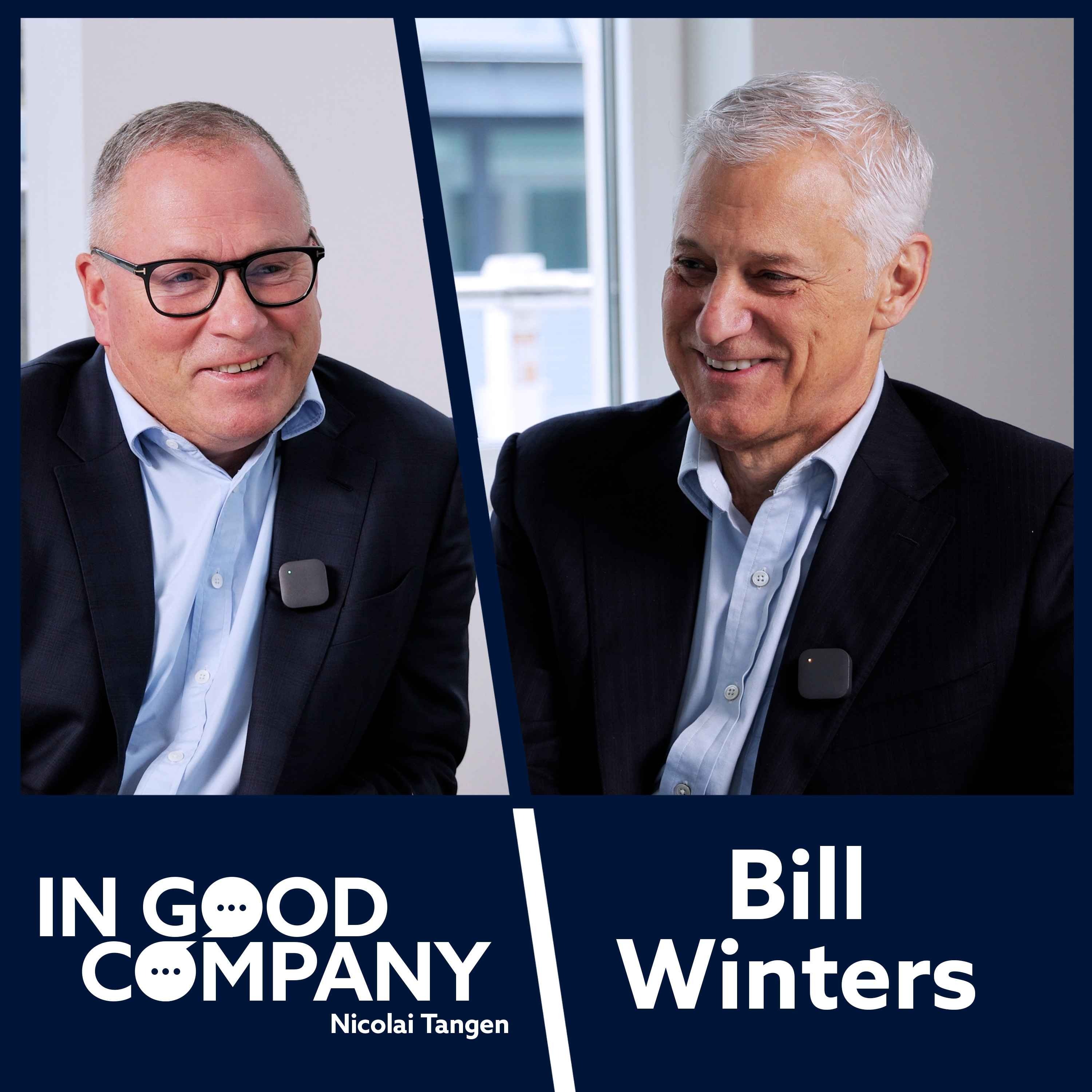
When communicating with shareholders during a crisis, Bill Winters didn't just present a plan. He explained why he, as an outsider with a comfortable life, chose the challenging CEO role. This demonstrated personal conviction in the bank's underlying value, building credibility beyond spreadsheets.
KKR's culture encourages a 10-20 year outlook, framing the company as a 'forever' institution. This long-term mindset allows the firm to make strategic investments, like spending years building a presence in Japan before a single deal, without internal pressure for short-term results. The focus is on the opportunity decades out.

Exor's governance model focuses on finding the right leaders and then giving them space to execute. They review plans and organizational structures but avoid micromanagement, viewing their role as a supportive yet challenging partner to the CEOs of their portfolio companies.
![Exor: Fiat Crisis to Ferrari Glory - [Business Breakdowns, EP.229] thumbnail](https://megaphone.imgix.net/podcasts/81a71ab6-9e6b-11f0-8aff-7bd806e17203/image/1c411f84b9b949374f0accaa0a5ff38a.jpg?ixlib=rails-4.3.1&max-w=3000&max-h=3000&fit=crop&auto=format,compress)
In a market dominated by short-term traders and passive indexers, companies crave long-duration shareholders. Firms that hold positions for 5-10 years and focus on long-term strategy gain a competitive edge through better access to management, as companies are incentivized to engage with stable partners over transient capital.