Get your free personalized podcast brief
We scan new podcasts and send you the top 5 insights daily.
In the traditionally opaque world of private equity, Parker Gale built its brand by being radically transparent via its podcast. This "open source" approach demystified their process, which served as a powerful filter and magnet, attracting founders and executives who aligned with their culture and scaling "intimacy" in a unique way.

Related Insights
While every VC has a network, true sourcing edge comes from building a brand and belief system that resonates deeply with founders. This makes founders proactively seek you out, creating a high-quality inbound channel with deals that competitors aren't seeing, allowing a small fund to punch above its weight.
Early on, Apollo's culture was non-communicative, viewing information as power. As it grew into a public, global firm and entered the highly regulated insurance industry, this became untenable. The firm had to learn to articulate its strategy clearly to align employees and build trust with global regulators.

Most PE firms fail to stand out, resorting to generic claims like being "hands-on" or "caring about people." With more PE firms than McDonald's in the US, a truly unique value proposition articulated clearly is critical for attracting business owners and investors.

Chasing viral moments is a losing game. The deep, intimate connection built by being a consistent voice in someone's ears via a podcast creates more brand equity and drives bigger results than any fleeting viral hit. Trust, earned over time, compounds and cannot be bought.

Encourage team members, not just founders or marketers, to build their personal brands by publicly sharing their learnings and journey. This creates an organic, multi-pronged distribution engine that attracts customers, top talent, and investors. It's a highly underrated and cost-effective go-to-market strategy.

Morgan Stanley's "Hard Lessons" podcast structures each episode around two pivotal calls: one that succeeded and one that failed. This narrative framework suggests that expertise is best communicated not by a flawless record, but by a transparent story that showcases both success and the crucial lessons learned from failure.
As technology automates tasks and large firms optimize financials, the one thing they cannot easily replicate is a genuine, resonant brand. This emotional connection becomes the key competitive advantage for smaller players, allowing them to "upset" larger, better-funded competitors.

David Aaker identifies a simple, powerful tactic: ask your team what makes the company special—its "secret sauce"—and turn that into a formal brand asset. He argues even abstract concepts, like a unique way of treating people, can be branded (e.g., "the HP way") to create a potent, ownable differentiator.
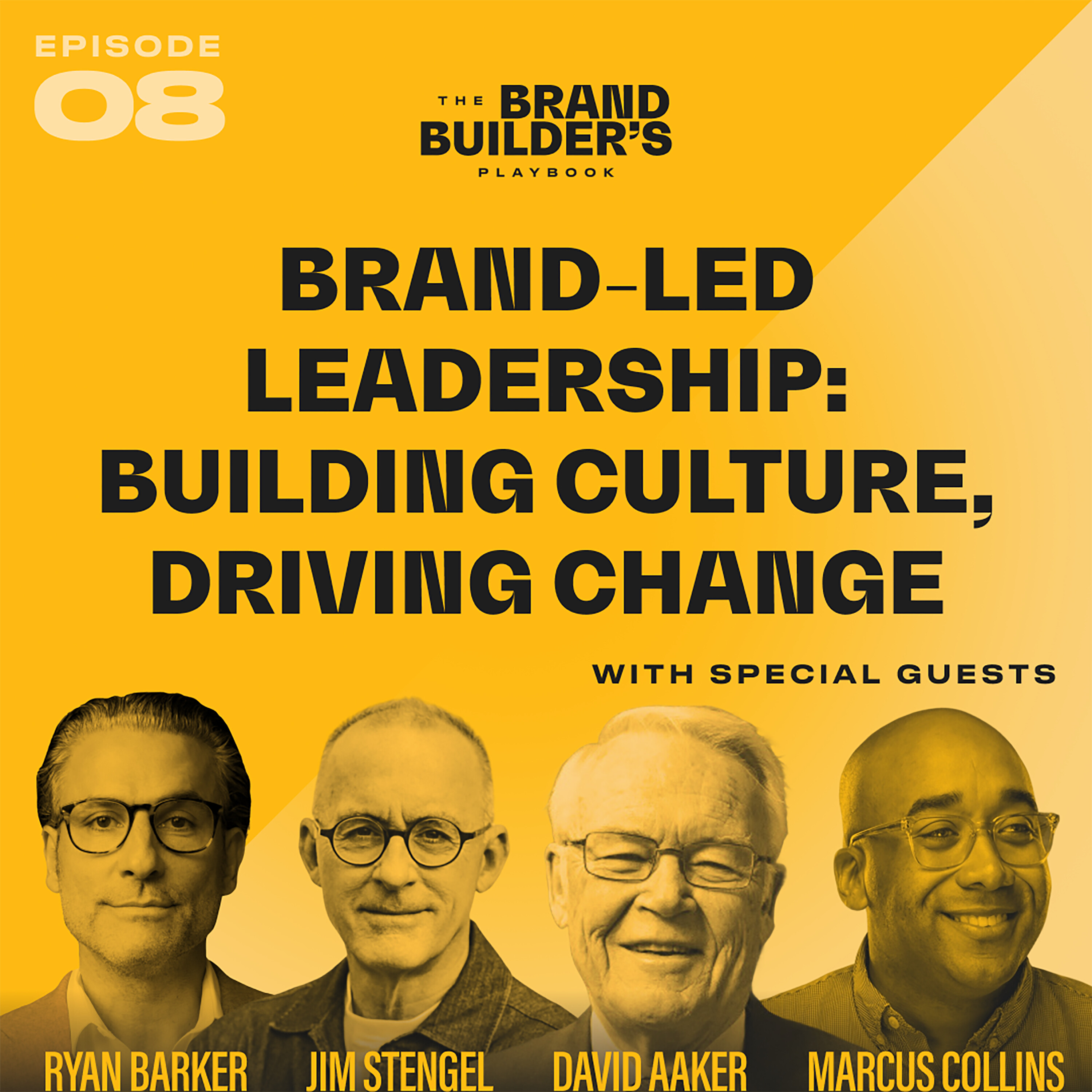
The era of the polished, synthetic corporate brand is over. The proliferation of media channels has blown up the old, narrow funnel. Success now comes from the people behind the company—CEOs and founders—speaking directly and authentically, explaining their thoughts and decisions in their own words.

In an era of long-form interviews, CEOs can appear radically transparent by sharing extensive details about their business. However, this is a strategic misdirection. By openly discussing 99% of their operations, they effectively hide the one or two critical secrets that constitute their real competitive advantage, leading fast-followers astray.