Get your free personalized podcast brief
We scan new podcasts and send you the top 5 insights daily.
The guest initially viewed narrators in audio dramas as a storytelling crutch. He now believes a first-person narrator, speaking as the main character's internal monologue, is an effective tool for guiding listeners who are already accustomed to audiobook conventions.

Related Insights
Contrary to what listeners might assume, actors in a scene almost never record together. They record their lines individually, often remotely, relying on a skilled sound designer to seamlessly blend the performances into a cohesive dialogue.
Linear, chronological stories ("this happened, and then this happened") are boring. To create dynamism and energy, structure a narrative around conflict and consequence. Using connecting words like "but" and "therefore" creates an engaging up-and-down path that keeps the listener hooked.

When adapting a podcast for a book, creators had to remove transitional sentences designed to guide a linear listener. An editor noted these 'handoffs' don't work for readers who skip around, highlighting a key difference between audio and text consumption patterns that content creators must respect.

To successfully sell an audio drama, creators must pitch ideas conceived specifically for the medium. Platforms are wary of writers trying to salvage failed TV pilots and want pitches that leverage the unique possibilities of sound design.
The podcast's unique format of telling each story twice isn't for redundancy; it's a psychological cue. The repetition creates predictability and a sense of safety, signaling to the listener's brain that it's okay to drift off because they won't miss any critical plot points.
Unlike TV where studios fund the writer's room, audio drama showrunners often operate like entrepreneurs. They use their own compensation to hire a small team to map out the season's structure before the showrunner writes the individual episodes.
The production of audio dramas is significantly leaner than television, involving a skeleton crew. This efficiency means projects are more likely to be completed and writers have more creative control with fewer executive gatekeepers providing notes.
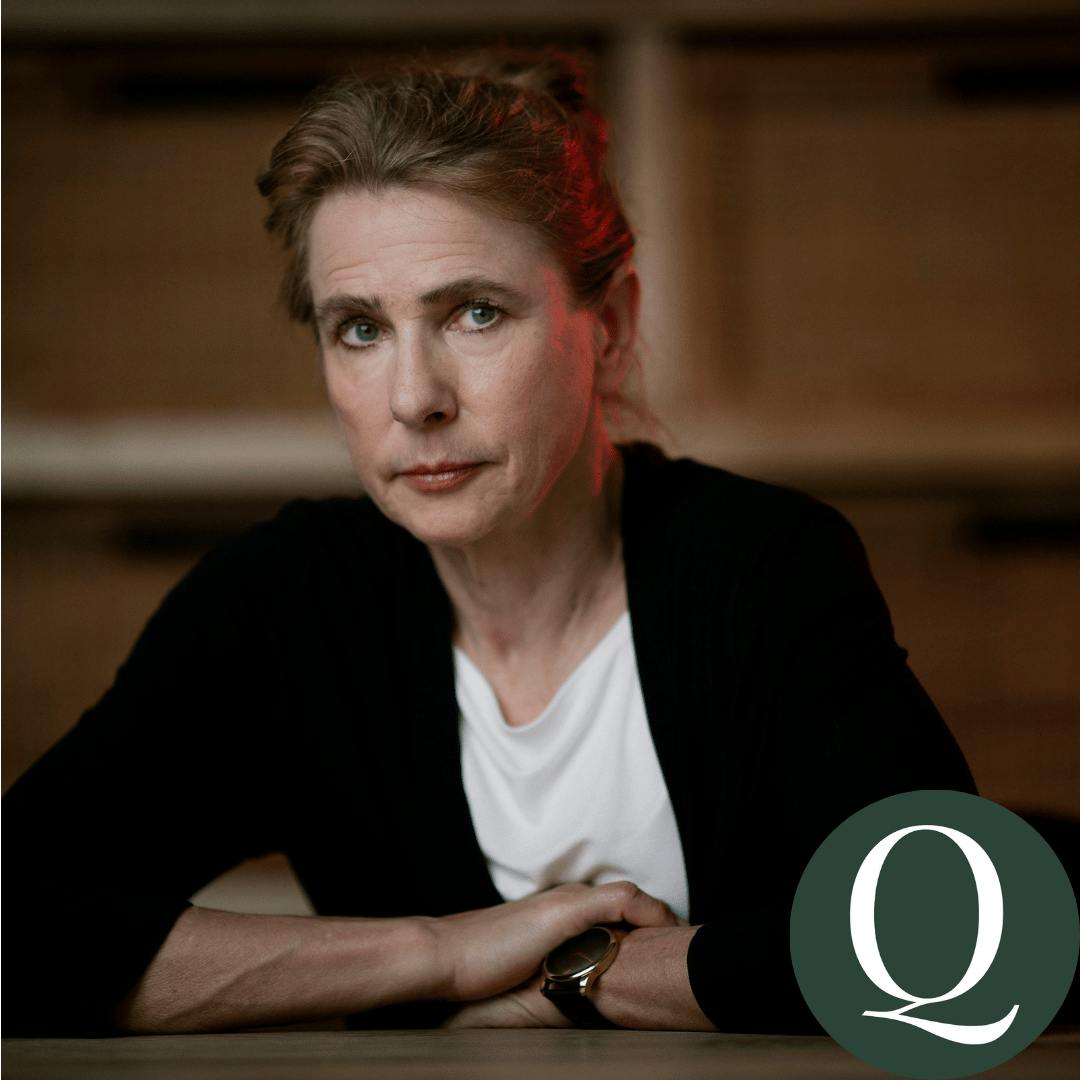
Author Lionel Shriver prefers writing in "Third-Person Limited" (seeing the world through one character's eyes) because it replicates the human condition. We are trapped in our own heads and must interpret others based on external evidence, making this narrative style deeply realistic.
Opting for an audio-only format is a conscious choice to prioritize the hosts' and listeners' internal connection over conventional growth metrics. It fosters introspection and self-awareness, an experience that video can distract from by focusing attention externally.

The concept of an "audio drama" was so new that James Patterson's publisher took a year and a half to approve the first deal. They feared it would cannibalize traditional audiobook sales, highlighting the business challenges of pioneering a new media format.