Get your free personalized podcast brief
We scan new podcasts and send you the top 5 insights daily.
Within 20 minutes of their first-ever launch, Toast's system went down during a busy service. The founders, who were on-site, immediately started writing orders on paper and taking credit card numbers manually. This hands-on crisis management taught them that their system was mission-critical and couldn't fail.

Related Insights
Instacart's co-founder routed all early customer support calls to his personal phone. This forced him to personally experience every service failure, which then directly informed the product roadmap. It created a tight feedback loop between customer pain and product development.
To build a complex real-world business, the founding team did every job themselves. This hands-on experience provided critical insights that algorithms or data analysis alone could never uncover, such as knowing not to assign a driver if food isn't ready.

When Lulu and Georgia's site crashed on launch day, founder Sarah Sugarman saw it not as a failure, but as validation. It proved her pre-launch email collection and social media hype had generated real demand. The "disaster" became a powerful signal that she had a viable business concept.

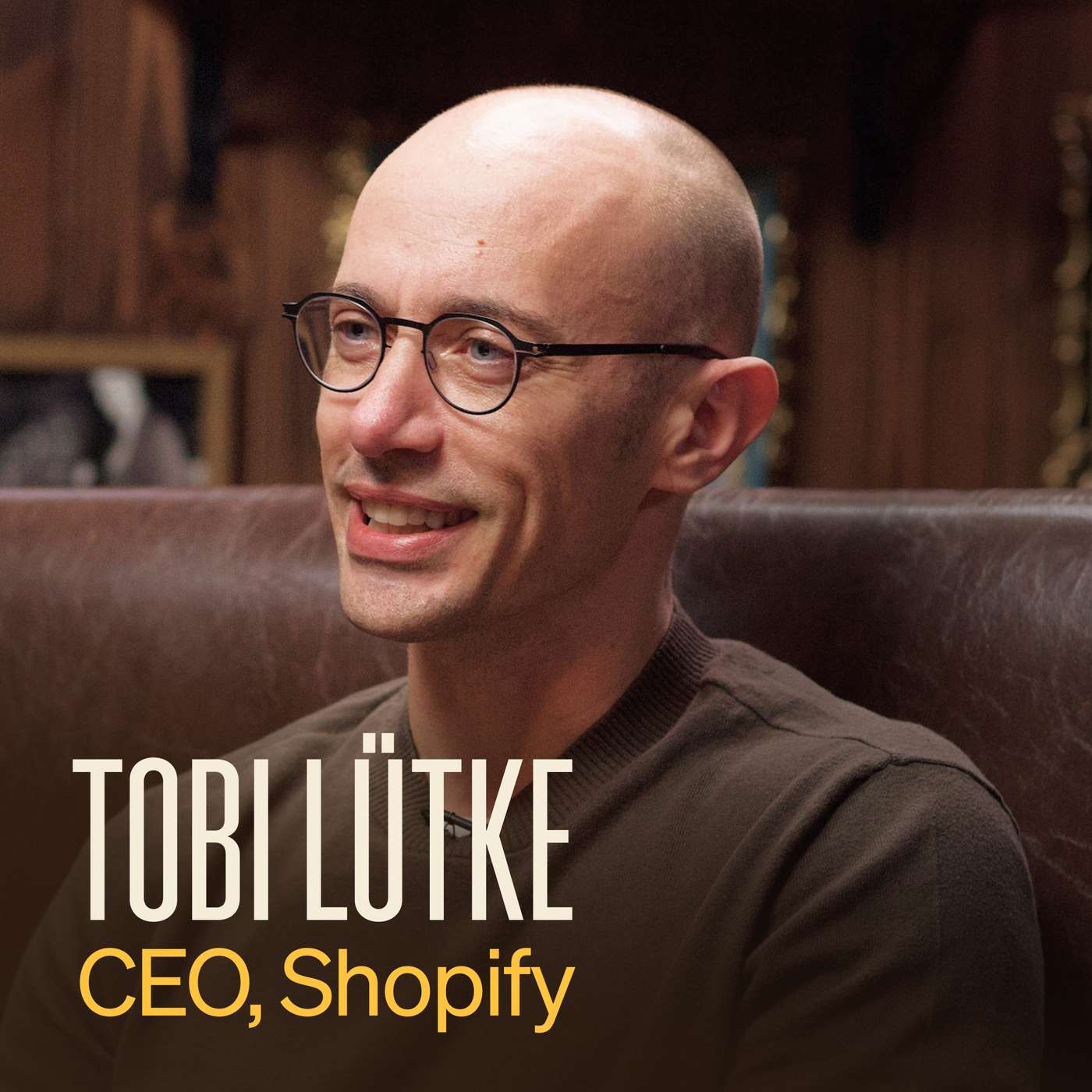
When a customer's flash sales repeatedly crashed the platform, Shopify treated the problem as a "gem"—a real-world stress test that forced them to build the high-scale infrastructure that became a core competitive advantage.
When the pandemic caused revenue to drop over 90%, Toast was forced to lay off half its staff. This near-death experience reset the company's focus to a 'basement stage' scrappiness. This led to rapid development of essential features for survival, like QR code ordering, which became central to their future growth.
Before writing code, the founder acted as the "automation," manually inputting orders for the first 100 restaurants. This Wizard of Oz approach validated demand and the workflow with zero development cost, allowing for an instant launch.

As Toast grew, it suffered from operational breakdowns like hardware failures and poor support. Founder Aman Narang realized his focus on revenue growth neglected the need for scalable systems. The team made the mature decision to bring in an experienced external CEO to professionalize the company and fix these foundational issues.
Despite strong initial demand, Toast paused its scaling efforts. The founders recognized their tech wasn't ready: the software didn't work offline, commodity hardware was failing, and support was nonexistent. This discipline was crucial for long-term survival.

Toast hit a wall after reaching initial traction. While customers wanted the product, the company's execution was failing due to poor hiring, a lack of systems, and weak culture. This reveals that scaling operations is a distinct and critical challenge after finding PMF.
The initial idea for a mobile payment app failed because integrating with over 100 legacy POS systems was impossible. By talking to frustrated restaurateurs, the founders realized the real, larger opportunity was to replace the entire clunky, non-cloud POS system that everyone hated.