Get your free personalized podcast brief
We scan new podcasts and send you the top 5 insights daily.
The proliferation of AI labs follows the same "narrative capitalism" pattern as the SaaS bubble, fueled by a compelling story and a recursive loop of company creation. Crucially, the same VCs are funding this new cycle, suggesting a similar painful correction is inevitable.

Related Insights
The AI boom is fueled by 'club deals' where large companies invest in startups with the expectation that the funds will be spent on the investor's own products. This creates a circular, self-reinforcing valuation bubble that is highly vulnerable to collapse, as the failure of one company can trigger a cascading failure across the entire interconnected system.

Similar to the dot-com era, the current AI investment cycle is expected to produce a high number of company failures alongside a few generational winners that create more value than ever before in venture capital history.
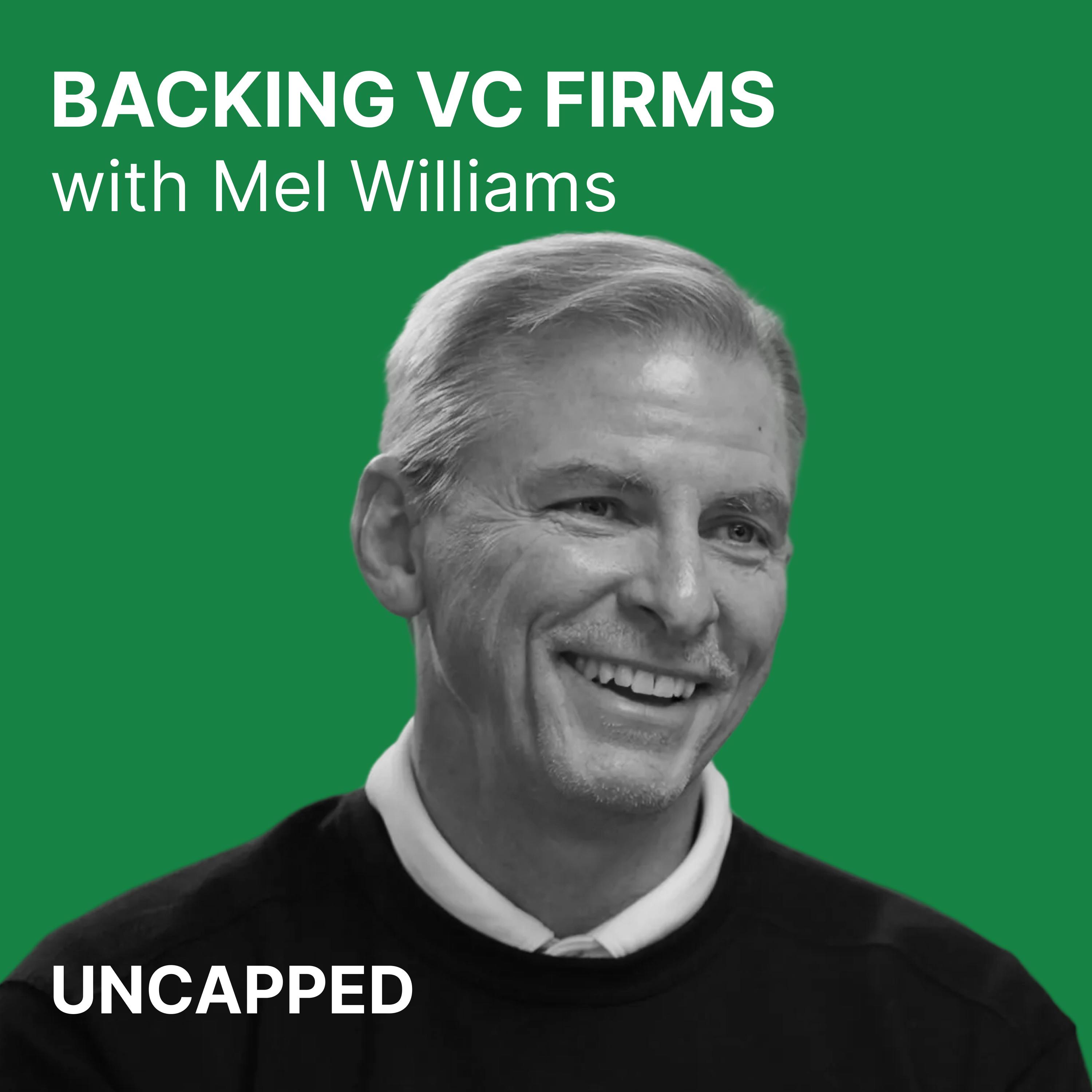
Glenn Fogel draws parallels between the current AI hype and previous speculative booms like the dot-com era. He predicts that while many AI companies will fail and investors will lose money, the frenzy will also produce companies that create immense, lasting value, following a historical pattern of innovation.

The AI era's high velocity of change, where market leaders can be displaced in 1-2 years, resembles the volatile dot-com bubble, not the last decade's predictable SaaS growth. This means founders must consider that even massive scale doesn't guarantee durability, making exit timing a critical strategic question.

Current AI investment patterns mirror the "round-tripping" seen in the late '90s tech bubble. For example, NVIDIA invests billions in a startup like OpenAI, which then uses that capital to purchase NVIDIA chips. This creates an illusion of demand and inflated valuations, masking the lack of real, external customer revenue.
The current AI investment frenzy is a powerful feedback loop. Silicon Valley labs promote a grand narrative to justify huge capital needs. Simultaneously, Wall Street firms earn massive fees by financing this buildout, creating a shared, bi-coastal incentive to keep the 'super cycle' narrative going, independent of immediate profitability.

The current AI investment climate feels as 'risk-free' as the 2021 bubble. Venture firms are likely using flawed loss-ratio models, underestimating how many AI 'unicorns' will fail to generate returns, just as they did with the B2B SaaS unicorns from the previous cycle.
The time between AI startup funding rounds is shrinking dramatically, a pattern reminiscent of the dot-com bubble. This rapid re-valuation often outpaces actual enterprise value creation, creating significant risk as investor hype overwhelms fundamentals.

VCs are paying astronomical seed valuations (up to $200M) for AI infrastructure startups from 'legible' founders (e.g., ex-OpenAI). This high-risk strategy mirrors the 2021 market, where investment decisions are driven less by business viability and more by a VC's capital and access to play in a consensus-driven space.

The venture capital landscape is experiencing extreme concentration, with a handful of AI labs like OpenAI and Anthropic raising sums that rival half of the entire annual VC deployment. This capital sink into a few mega-private companies is a new phenomenon, unlike previous tech booms.
