Get your free personalized podcast brief
We scan new podcasts and send you the top 5 insights daily.
The idea that a company can define its brand with a single slogan is a fantasy. In reality, a brand like Nike's "Just Do It" means something different to every person based on their unique experiences. True brand building accepts and engages with this fragmented reality, not the illusion of top-down control.

Related Insights
A brand's true value is derived from the personal meaning a consumer attributes to it. This is distinct from its 'worth,' which is merely the transactional price the market will bear. The goal is to build meaning, which in turn drives up perceived value and justifies market worth.

A successful rebrand doesn't create a new personality; it amplifies the company's true, existing identity. Just as money magnifies a person's character, a strong brand makes a company's core values—like community involvement—bigger, louder, and more public, forcing them to be more intentional.

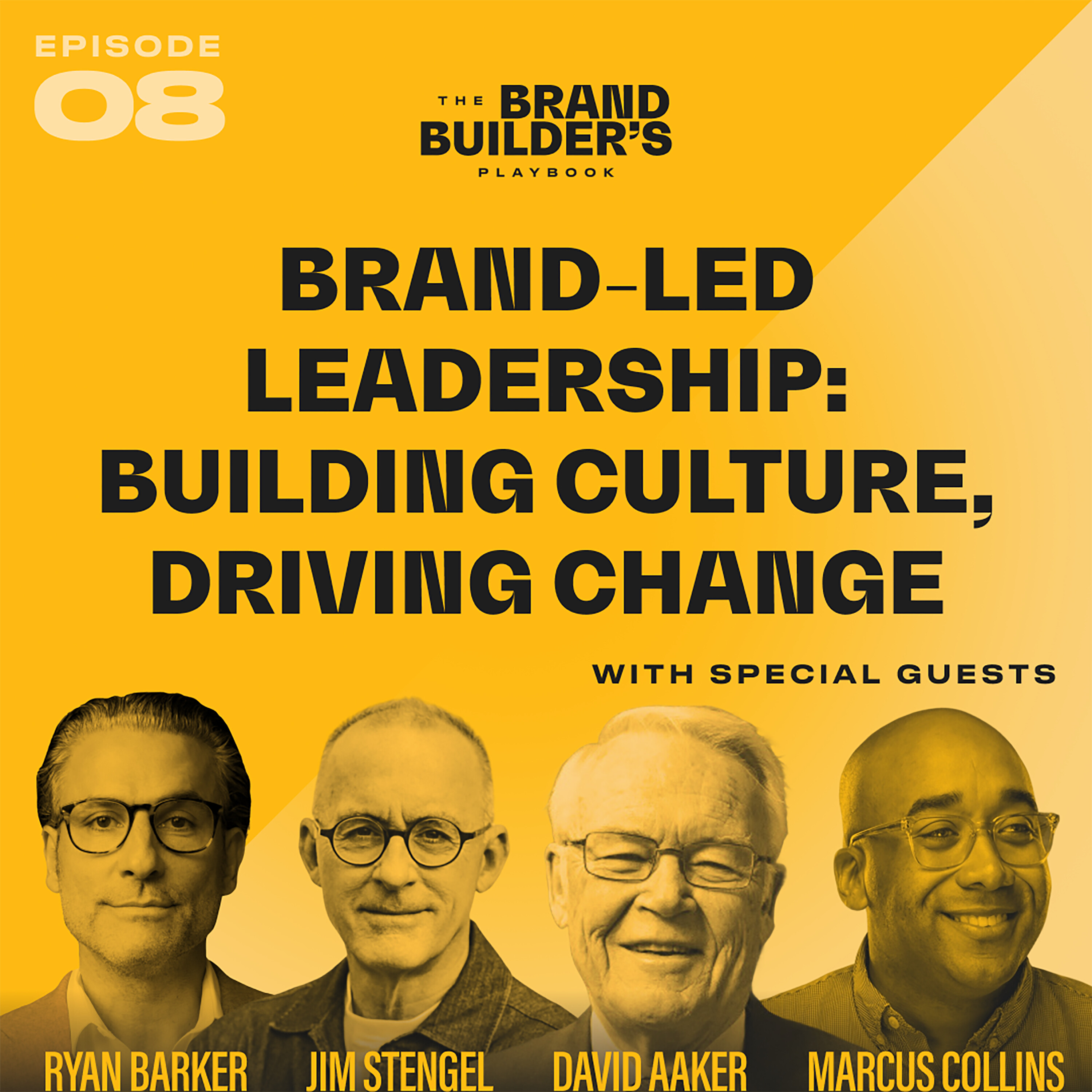
Marcus Collins explains that brands limited to their product (e.g., toothpaste) have little to talk about. However, a brand with a broader ideology (like Nike's belief that "Every human body is an athlete") gains entry and authority to engage in wider cultural discourse, creating significant energy and relevance.
Building a strong brand requires more than defining what you stand for; it requires clarifying what you stand against. This creates a sharp identity that resonates deeply with a core audience, even if it alienates others. Trying to be a brand for everybody results in a brand for nobody.

Branding transcends visual elements like logos, websites, or uniforms. A truly powerful brand is the lasting, unique impact—the "thumbprint"—a company leaves on its community, customers, and team. This defines reputation and fosters deep loyalty far more effectively than any aesthetic component.

Strict adherence to brand cohesion often stifles creativity and results in subjective boardroom debates. Brands achieve more by focusing on creating relevant, timely content that resonates with their audience, even if it occasionally breaks established stylistic guidelines.
In a crowded market, brand is defined by the product experience, not marketing campaigns. Every interaction must evoke the intended brand feeling (e.g., "lovable"). This transforms brand into a core product responsibility and creates a powerful, defensible moat that activates word-of-mouth and differentiates you from competitors.

The era of the polished, synthetic corporate brand is over. The proliferation of media channels has blown up the old, narrow funnel. Success now comes from the people behind the company—CEOs and founders—speaking directly and authentically, explaining their thoughts and decisions in their own words.

Brand building is not siloed within the marketing department; it's the collective responsibility of every employee. Functions like finance, supply chain, and legal all contribute to the brand's perception through their daily actions, language, and external signals. Every interaction an employee has represents the brand.
![What is Marketing? With Kory Marchisotto [Uncensored Renegades] thumbnail](https://img.transistorcdn.com/VIH3Rn5ET8-eHQxgBGNydnhXL95pc10_Kq7qTpjezuc/rs:fill:0:0:1/w:1400/h:1400/q:60/mb:500000/aHR0cHM6Ly9pbWct/dXBsb2FkLXByb2R1/Y3Rpb24udHJhbnNp/c3Rvci5mbS9zaG93/LzQ3MzEvMTU3MDAz/MjQ3NC1hcnR3b3Jr/LmpwZw.jpg)
Coach's CMO cites Spam's journey—from immigrant staple to source of shame, now a trendy icon—as proof that brands don't have fixed meanings. People and culture constantly redefine a brand's significance, a lesson she learned before any formal brand strategy.
