Get your free personalized podcast brief
We scan new podcasts and send you the top 5 insights daily.
Instead of simply redeeming from a struggling manager based in Singapore, the allocator flew there to explain the decision face-to-face. This respectful, human approach preserved the personal relationship, recognizing that how you exit a partnership is critically important.

Related Insights
PE firms often overwhelm portfolio management with requests without explaining the 'why'. By clearly linking each request to equity value creation from the outset, PE firms can better align and motivate the management team, which is their most critical asset for a successful exit.

When managers violate mutually agreed-upon risk parameters, the exit conversation is straightforward and expected. This removes the emotional guesswork and surprise common in traditional fund redemptions, preserving relationships.
When a strategy is underperforming, most investment managers hide. The simple act of proactively calling clients, explaining the situation, and being available builds immense trust. It's a massive competitive advantage and often leads to clients retaining you while firing other, less communicative managers.

Eric Byunn of Centana Growth states that despite legal mechanisms, achieving a good outcome is nearly impossible without management team alignment. His firm's core principle is to never proceed with a secondary sale or exit if the founders are opposed, treating their partnership with management as paramount.

After six years of conversations, a top manager responded to an investment inquiry with, "Don't you think we should spend more time getting to know each other?" This counterintuitive move signals a focus on long-term partnership over short-term asset gathering, a hallmark of a premier investor.
An operating partner's value extends beyond strategic advice to hands-on involvement in critical processes. This includes interviewing and selecting the right investment bankers for a portfolio company's exit, leveraging their industry experience and relationships to optimize the outcome.

The most valuable LP-GP relationships are built during "off-cycle" meetings, intentionally scheduled outside of busy conference seasons or AGMs. These focused, low-pressure touchpoints lead to more candid conversations and compound trust over time, ensuring the LP gets the first call.

During a redemption wave, retaining investors depends less on past underwriting wins and more on future communication. Managers who build trust through radical transparency—explaining their portfolio, process, and marks—are better positioned to calm investor nerves and prevent a panicked rush for the exit, making communication a key risk management tool.
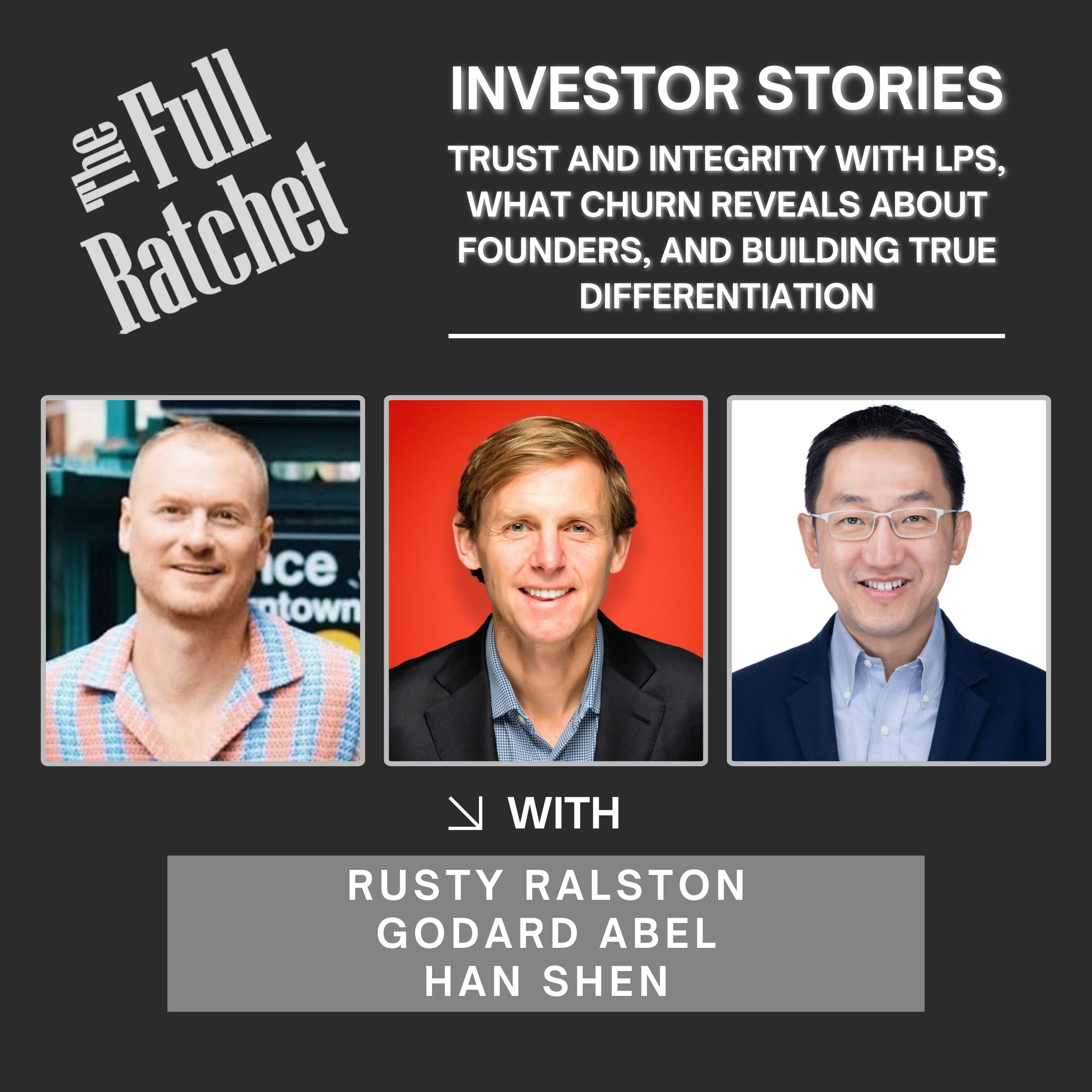
Swell VC's Rusty Ralston shares that the most insightful LPs probe a GP's character, values, and personal history. For multi-decade investment relationships, understanding the person is foundational to establishing the trust, character, and integrity required for long-term success, surpassing the importance of typical fund metrics.
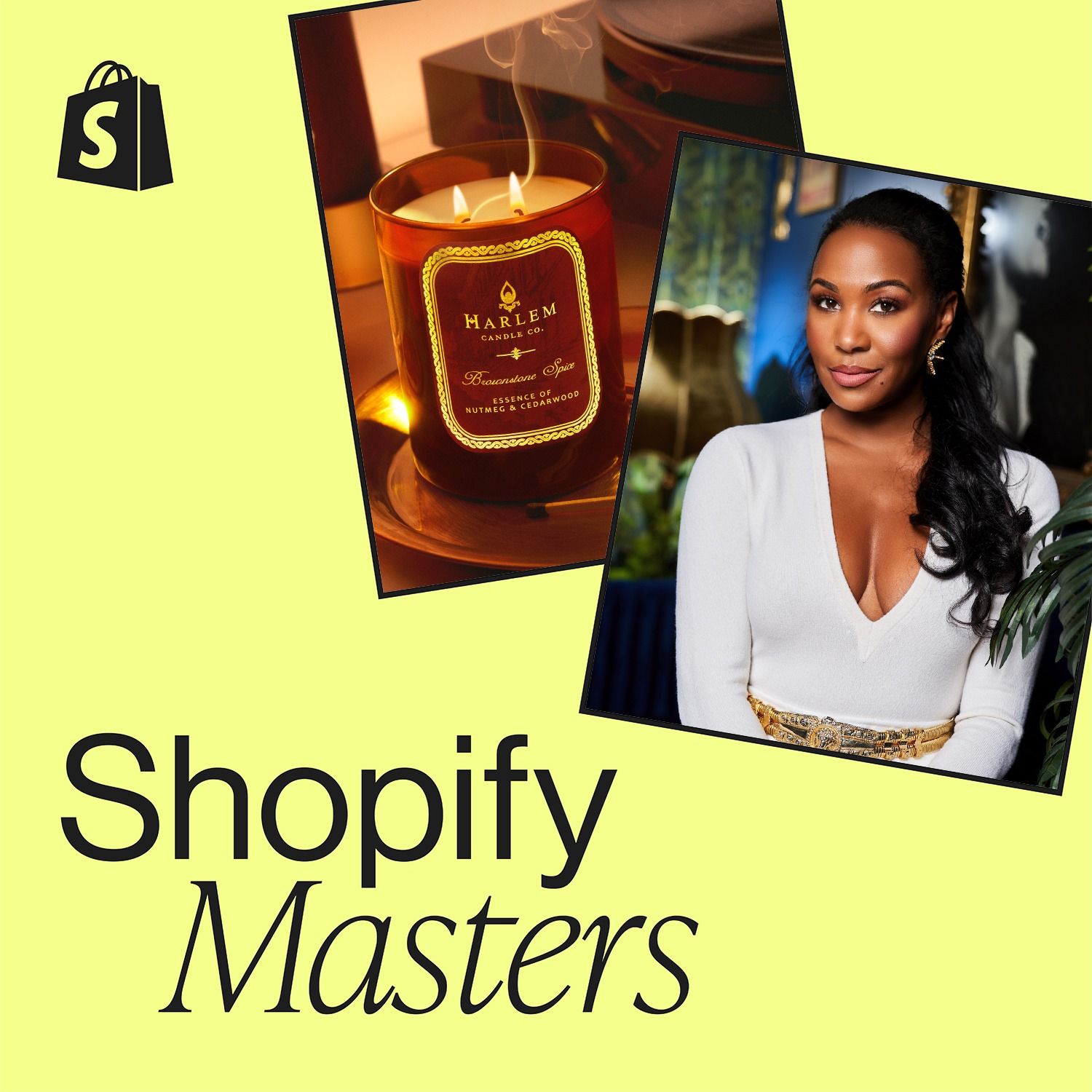
When Harlem Candle Co. outgrew its warehouse partners due to repeated quality control failures, the founder found the "breakup" process emotionally difficult. Recognizing this wasn't her team's strength, she hired a consultant specifically to manage the professional separation, a tactic she used twice.