Get your free personalized podcast brief
We scan new podcasts and send you the top 5 insights daily.
Trae Stephens warns that the defense tech sector has become a hyped-up category, attracting tourists. He draws parallels to space tech (SpaceX) and crypto (Coinbase), arguing that in such winner-take-most markets, investors who didn't back the foundational companies are unlikely to see returns from follow-on investments.

Related Insights
Defense tech startup Anduril is disrupting incumbents not with untested technology, but with a novel business model. It uses VC funds to build manufacturing capacity *before* winning large contracts and sources commercial parts to reduce cost and supply chain risk, effectively prioritizing execution over pure tech risk.

A new category of agile tech companies is winning major defense contracts by offering cheaper, software-driven, and nimbler solutions like drones and AI, directly challenging established giants like Lockheed Martin.
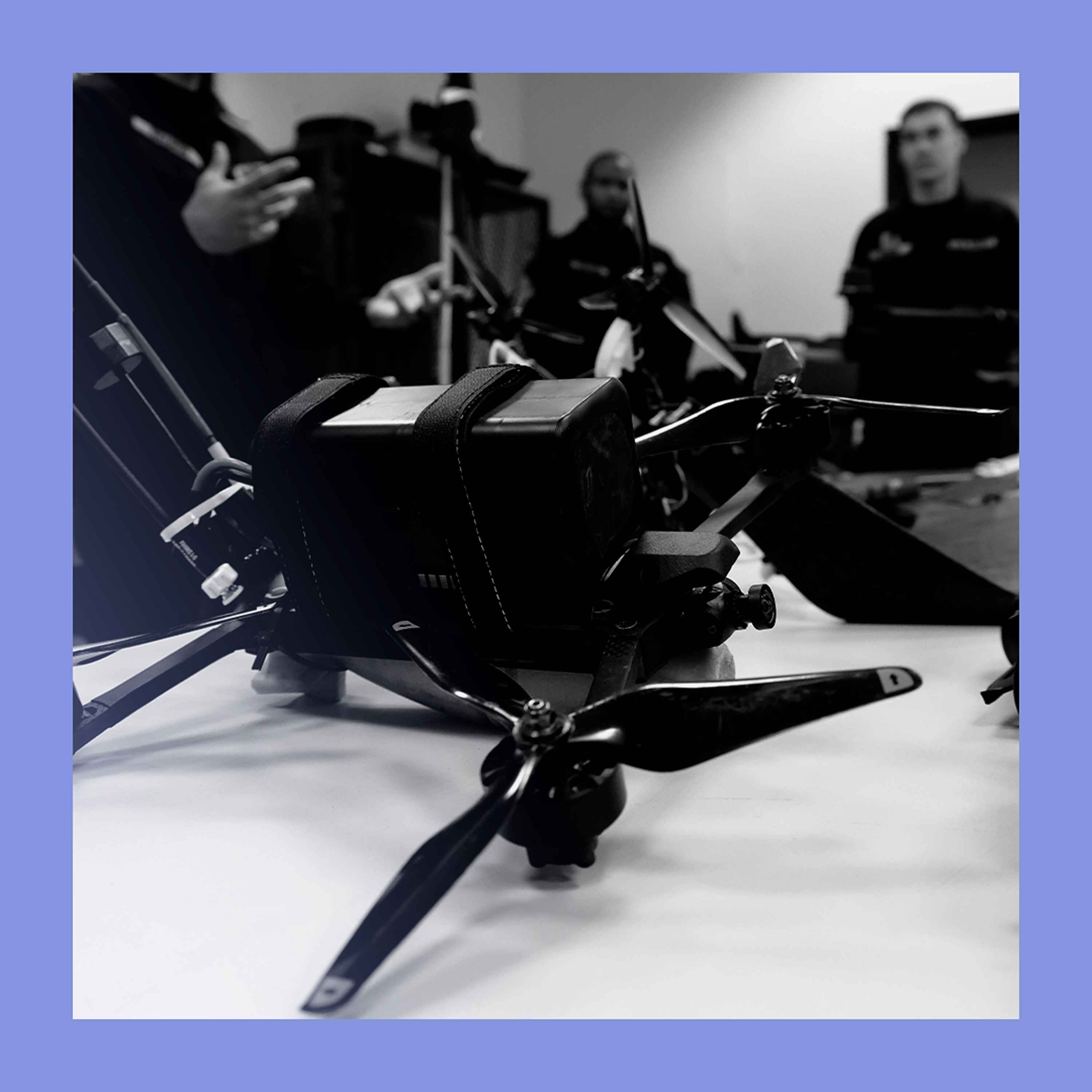
The future IPO of Anduril, a private defense tech firm, is viewed as a critical test for the entire sector. Its performance will signal Wall Street's appetite for a new class of defense startups that have been heavily funded by venture capital with speculative, low-revenue profiles.
The defense tech space is crowded with high-valuation weapons startups. A savvier strategy is to invest in less-hyped, non-obvious infrastructure opportunities—like materials science or advanced manufacturing—that are still critical to national security.

The market for small drones in defense is a natural monopoly. There are very few government programs large enough to create a material, enduring business. This means that despite the flood of VC funding into the space, only one or two companies will capture those key contracts and survive, while the rest will fail.

The next wave of massive wealth creation in technology will likely come from the defense sector. Companies like Anduril, which apply a Silicon Valley startup ethos to building asymmetric weaponry and defense platforms, are positioned to generate enormous shareholder value and redefine the industry.

Spreading venture capital thinly across many defense startups is "innovation theater." Like traditional tech sectors, defense tech follows a power law where a few dominant companies will generate most of the returns and impact. Capital allocators must identify and concentrate bets on these future "primes."

The defense tech sector is experiencing a perfect storm. This 'golden triangle' consists of: 1) Desperate customers in the Pentagon and Congress seeking innovation, 2) A wave of experienced founders graduating from successful firms like SpaceX and Anduril, and 3) Abundant downstream capital ready to fund growth.

The two most common red flags in new defense companies are: 1) Technological hubris, where founders wrongly assume their idea is novel when it often already exists, and 2) Grossly overestimating the total addressable market (TAM), pursuing a small problem that might yield one contract but not an enduring business.
Defense tech firm Anduril's talks to raise funds at a $60 billion valuation reflect its ambition to become a "prime" contractor. The company is no longer just a disruptive upstart; it's actively trying to join the exclusive group of legacy giants like Raytheon and Lockheed that dominate government contracts.