Get your free personalized podcast brief
We scan new podcasts and send you the top 5 insights daily.
Rev. Ian Paisley delegitimized the Northern Ireland Civil Rights Association (NICRA) by labeling it an IRA front. While NICRA had broad support, its early connections to republican groups provided a kernel of truth to this "Trojan horse" narrative, which resonated with anxious unionists and undermined the movement's legitimacy.

Related Insights
Iran's government created propaganda claiming theorist Gene Sharp, who worked with Dr. King, is a CIA operative. They use this to paint domestic protests as foreign-backed coups—a tactic of delegitimization ironically echoed by some U.S. commentators against American protesters.
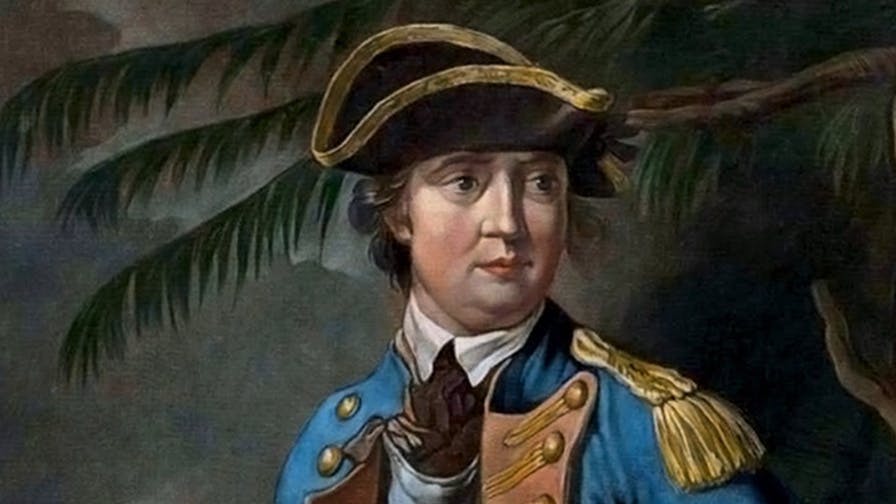
The most significant threat to a political ideology comes not from the opposing party, but from the 'lunatics' on its own side. These extreme factions can make the entire group appear foolish and unreasonable, doing more damage to their credibility than any opponent ever could.
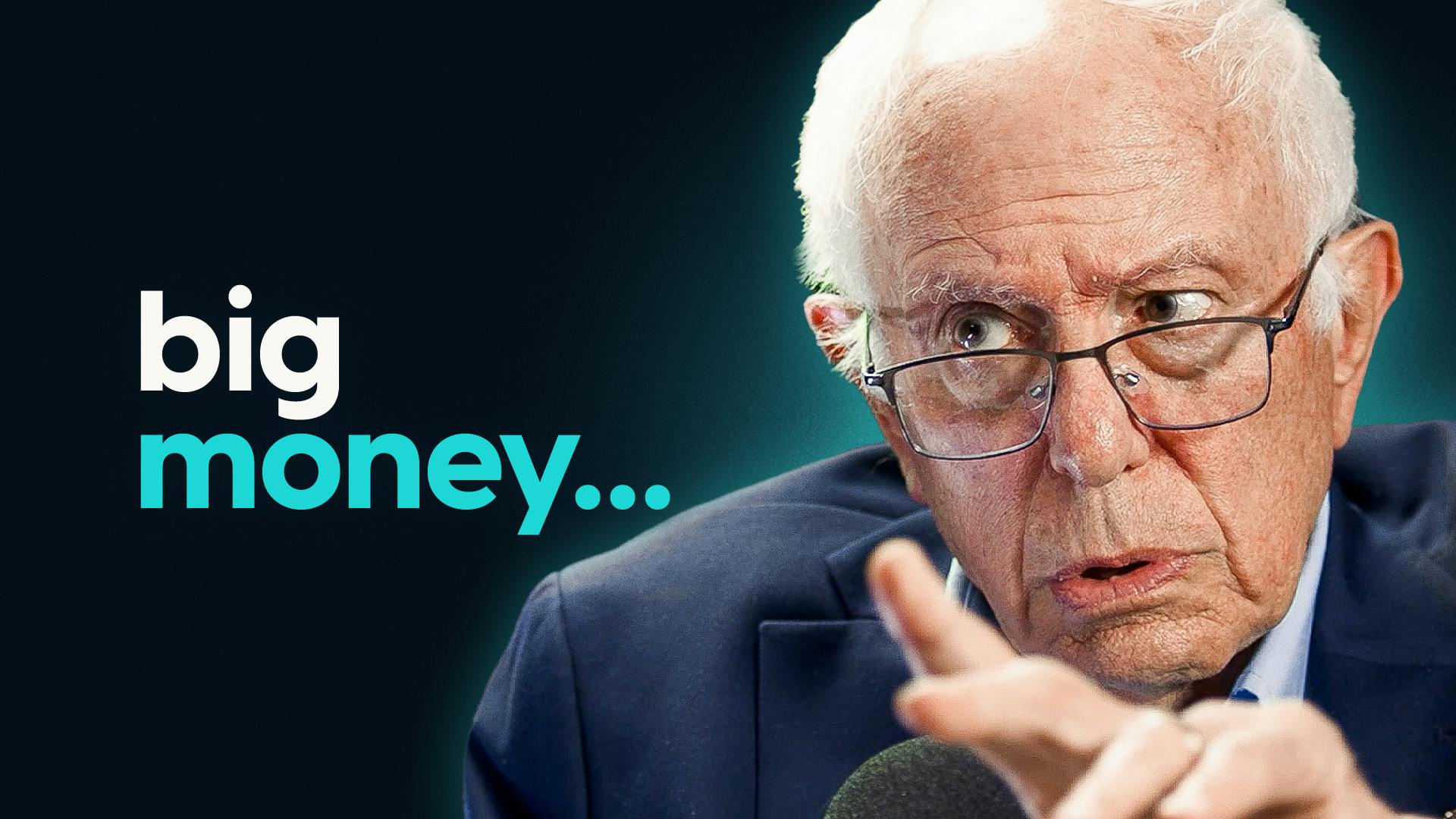
Beyond his fiery sermons, Ian Paisley expertly used performative stunts to gain attention and build his movement. From orchestrating confrontations over flags to "rescuing" a Catholic teenager, he created media spectacles that solidified his image as a defiant Protestant champion.
To topple Prime Minister Terence O'Neill, the loyalist UVF conducted a series of bombings on key infrastructure while allowing the IRA to be blamed. This successful false-flag operation created widespread chaos and fostered the perception that O'Neill was weak on security, directly leading to his resignation and achieving the hardliners' political goal.
Some Northern Irish civil rights activists believed peaceful protest was ineffective. They intentionally organized marches in provocative locations to elicit a violent state response. They understood that footage of police brutality would generate global publicity, expose the state's repressive nature, and frame them as martyrs to a global audience.
The American Civil Rights movement benefited from a booming economy, making change more palatable. In contrast, Northern Ireland's movement in the late 60s coincided with industrial decline. This economic anxiety made the Protestant working class fearful and resistant to Catholic demands, viewing them as a zero-sum threat to their own precarious status.
To articulate their identities, both Unionists and Nationalists drew parallels with international conflicts. Unionists saw themselves as a besieged people like Israelis, while Nationalists identified with Palestinians, using these global narratives to legitimize their local grievances.
Groups like the DSA employ appealing rhetoric centered on concepts like 'dignity' and 'affordability' to gain public support. However, this language often serves as a Trojan horse for a more extreme underlying ideology, which can be identified by its name (e.g., 'socialist') and historical track record.

In the aftermath of political violence, the targeted group often mirrors the very dehumanizing tactics they condemn. While correctly identifying an attacker's ideology, they risk escalating the conflict by applying labels like 'evil' to the entire opposing side, thus perpetuating the cycle of radicalization that fuels violence.

The idea of a simple "pipeline" to extremism is a flawed metaphor used by legacy media to discredit new platforms. It ignores that belief systems are dynamic and people often hold contradictory views, making political journeys complex and non-linear.
