Get your free personalized podcast brief
We scan new podcasts and send you the top 5 insights daily.
The AI inference process is being broken apart, with different stages of the transformer architecture running on different specialized chips. For example, the compute-heavy "prefill" step and the memory-heavy "decode" step can be handled by separate hardware. This explains NVIDIA's strategic interest in Grok, which excels at the decode portion.

Related Insights
The AI inference process involves two distinct phases: "prefill" (reading the prompt, which is compute-bound) and "decode" (writing the response, which is memory-bound). NVIDIA GPUs excel at prefill, while companies like Grok optimize for decode. The Grok-NVIDIA deal signals a future of specialized, complementary hardware rather than one-size-fits-all chips.

The AI hardware market is fragmenting. Google is now producing two distinct eighth-generation TPUs: one for training (8t) and one for inference (8i). This move away from one-size-fits-all GPUs shows that optimizing for specific AI workloads is the next competitive frontier.

While competitors chased cutting-edge physics, AI chip company Groq used a more conservative process technology but loaded its chip with on-die memory (SRAM). This seemingly less advanced but different architectural choice proved perfectly suited for the "decode" phase of AI inference, a critical bottleneck that led to its licensing deal with NVIDIA.
Top inference frameworks separate the prefill stage (ingesting the prompt, often compute-bound) from the decode stage (generating tokens, often memory-bound). This disaggregation allows for specialized hardware pools and scheduling for each phase, boosting overall efficiency and throughput.
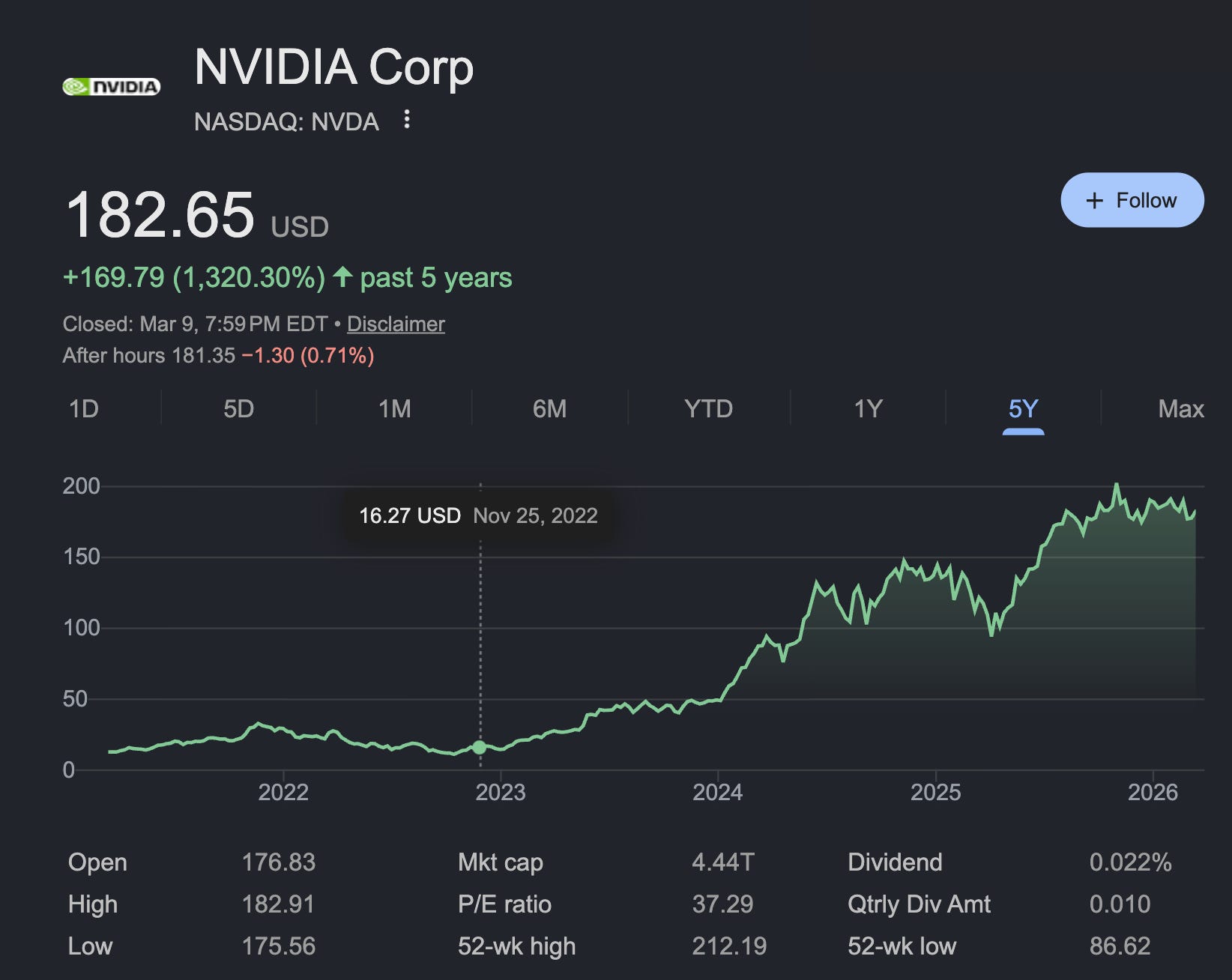
Nvidia integrated Grok's LPU technology just months after acquisition, creating a GPU-LPU hybrid stack for inference. This is a major architectural departure, acknowledging that GPUs alone are not the optimal solution for every AI workload, particularly cost-effective, large-scale agentic inference.

The intense power demands of AI inference will push data centers to adopt the "heterogeneous compute" model from mobile phones. Instead of a single GPU architecture, data centers will use disaggregated, specialized chips for different tasks to maximize power efficiency, creating a post-GPU era.

Optimizing transformer inference, specifically the separation of pre-fill (KV cache building) and decode (token generation), is becoming a foundational skill. Chris Fregly predicts this complex topic, known as disaggregated pre-fill decode, will be a core component of AI engineering interviews at top labs within two years.

The era of dual-purpose AI chips is ending. The overwhelming demand for real-time processing from AI agents is forcing companies like Google and NVIDIA to create dedicated, inference-optimized hardware. This marks a fundamental and permanent split in the AI infrastructure market, separating training from inference.

The inference market is too large to remain monolithic. It will fragment into specialized platforms for different use cases like real-time video, long-running agents, or language models. This specialization will extend to hardware, with high-throughput, low-latency-need tasks (like agents) favoring cheaper AMD/Intel chips over NVIDIA's top GPUs.

NVIDIA is moving from its 'one GPU for everything' strategy to a diversified portfolio. By acquiring companies like Grok and developing specialized chips (e.g., CPX for pre-fill), it's hedging against the unpredictable evolution of AI models by covering multiple points on the performance curve.