Get your free personalized podcast brief
We scan new podcasts and send you the top 5 insights daily.
Instead of competing with advanced technologies like liquid biopsies or standard care, this breath test is positioned as a complementary first step. It serves as a valuable "enrichment layer" and risk stratification tool, which increases the prevalence of cancer in the group receiving downstream diagnostics, thereby making those subsequent tests more effective and cost-efficient.

Related Insights
Augurex's diagnostic test doesn't require new drug development. It identifies patients who can benefit from existing, approved rheumatoid arthritis drugs like Humira. This reveals a powerful strategy: creating value by connecting a previously undiagnosed patient population to already established, effective therapies, bypassing the need for novel drug R&D.

Shifting from clinician-ordered to pathologist-initiated reflex testing for NSCLC biomarkers combines diagnosis and molecular analysis into one workflow. This operational change minimizes delays, increases testing rates, and optimizes the use of small biopsy samples, getting actionable results to oncologists faster.

To achieve an affordable price for its advanced cancer test, Delphi prioritizes algorithmic complexity over "wet lab" complexity. This strategy keeps physical sample processing simple and low-cost, putting the innovation into scalable software (AI/ML) to analyze the data, which is key for mass adoption.

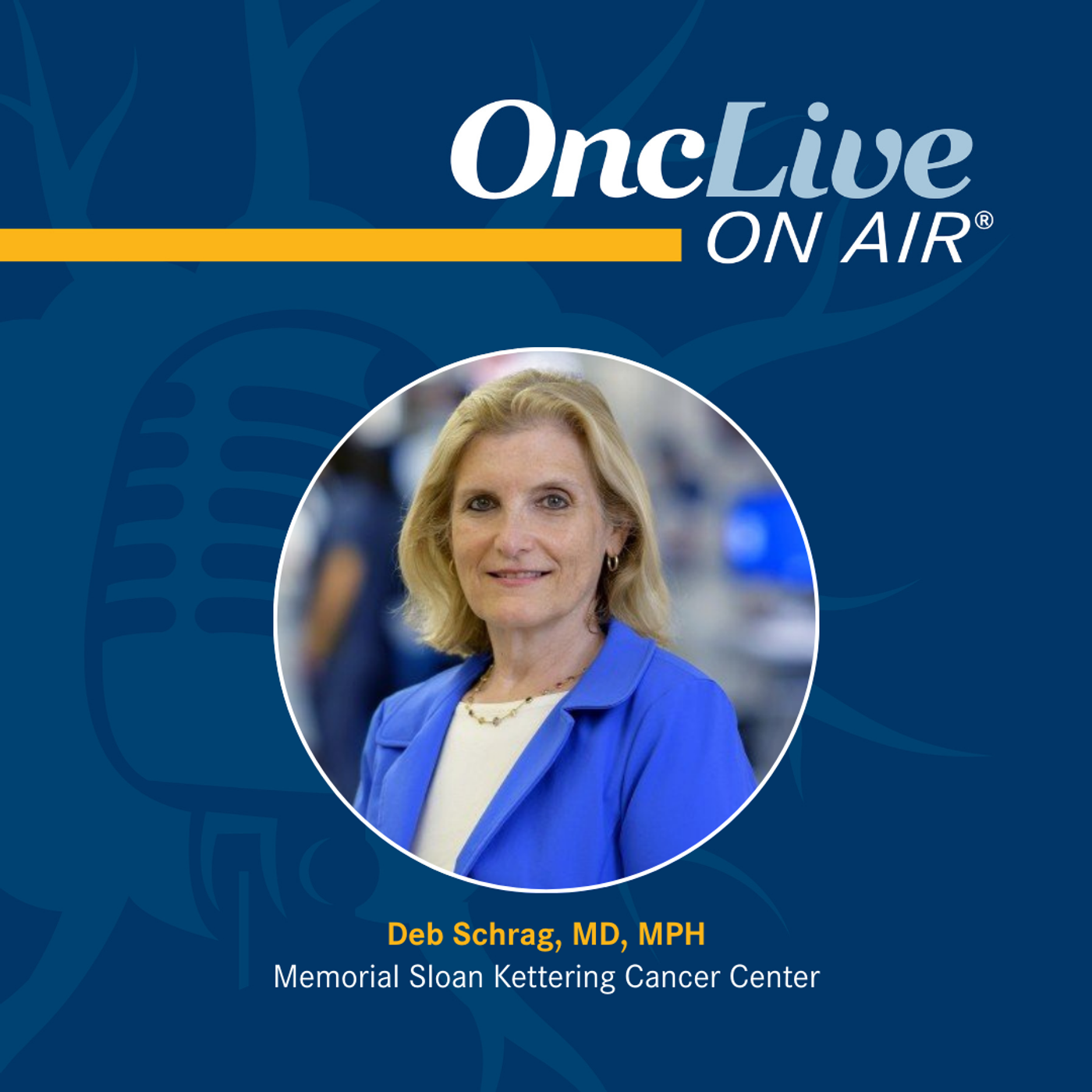
Dr. Deb Schrag suggests the main challenge for new molecular cancer screening technologies is not invention, but implementation. The critical task will be deploying these tools at a population scale and effectively managing the logistical challenge of distinguishing true positives from false alarms.
Bypassing complex gene sequencing, a new diagnostic from Asama Health leverages basic physics. It identifies cancerous DNA by measuring changes in electrical resistance caused by altered methylation patterns. This simple, disruptive approach promises a faster, more accessible method for early cancer detection.
AI identified circulating tumor DNA (ctDNA) testing as a highly sensitive method for detecting cancer recurrence earlier than scans or symptoms. Despite skepticism from oncologists who deemed it unproven, the speaker plans to use it for proactive monitoring—a strategy he would not have known about otherwise.

Individual early-detection tests like blood biopsies or MRIs are imperfect, leading to false positives and negatives. The next step in diagnostics is a "multimodal" approach, layering different screening types, such as genomic blood tests and imaging, to create a more accurate and comprehensive picture of a patient's health.
Alt-Pep's SOBA blood test is a crucial companion diagnostic for its SOBIN-AD therapeutic. It allows for patient stratification by confirming the presence of the drug's target—toxic oligomers. This creates a rare, direct link between biomarker, target, and mechanism, significantly increasing the probability of clinical success.

Fibrogen uses its PET imaging agent in Phase 2 not to pre-select patients, but to correlate target expression with treatment response. This data will allow them to enrich their Phase 3 trial with patients most likely to respond, significantly increasing the probability of success.
The test's primary purpose is not to replace definitive diagnostics like mammograms but to act as a scalable, low-cost pre-screening tool. In low-resource settings, it can stratify a large population, identifying a high-risk group that can then be targeted with more expensive and resource-intensive screening methods, improving efficiency.