Get your free personalized podcast brief
We scan new podcasts and send you the top 5 insights daily.
Before becoming a politicized brand, the Black Lives Matter slogan emerged from a direct demand: that specific, unprosecuted killings of Black individuals receive legal justice. The phrase "All Lives Matter" was seen as a deflection from these specific cases requiring attention.

Related Insights
While public support is vital, movements don't just happen. They require specific individuals who act as catalysts. The British abolitionist movement, for example, is inseparable from Thomas Clarkson, who was the first person to envision a national public campaign and dedicate his life to it, turning a latent issue into a powerful political force.
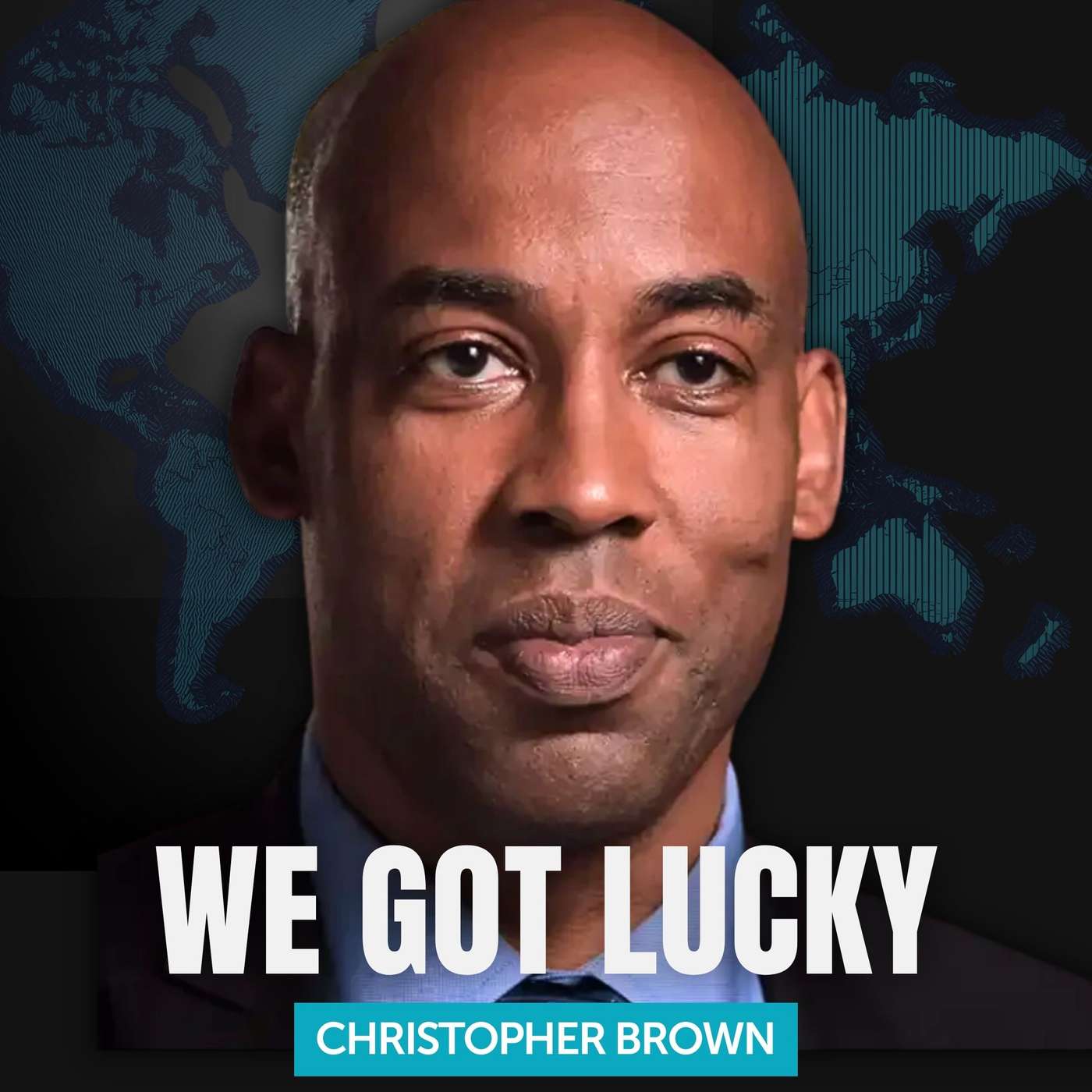
Protests, like those in Minneapolis, are effective when they generate enough moral outrage to force action from leaders. They have a time limit; their purpose is not sustained demonstration but to create a crisis that people in power must resolve through policy, as seen with LBJ and the Civil Rights Act after Selma.
It's critical to decouple the reality of systemic issues from a personal identity of victimhood. You can recognize and call out societal barriers without letting them become the all-encompassing excuse for why you cannot achieve your goals. Both truths can coexist.

John McWhorter identifies a key error post-George Floyd: the widespread belief that police frequently kill unarmed Black men. He notes public estimates are off by orders of magnitude from the actual data (around 10-15 per year). This statistical illiteracy, amplified by viral videos, created a false narrative impervious to facts.
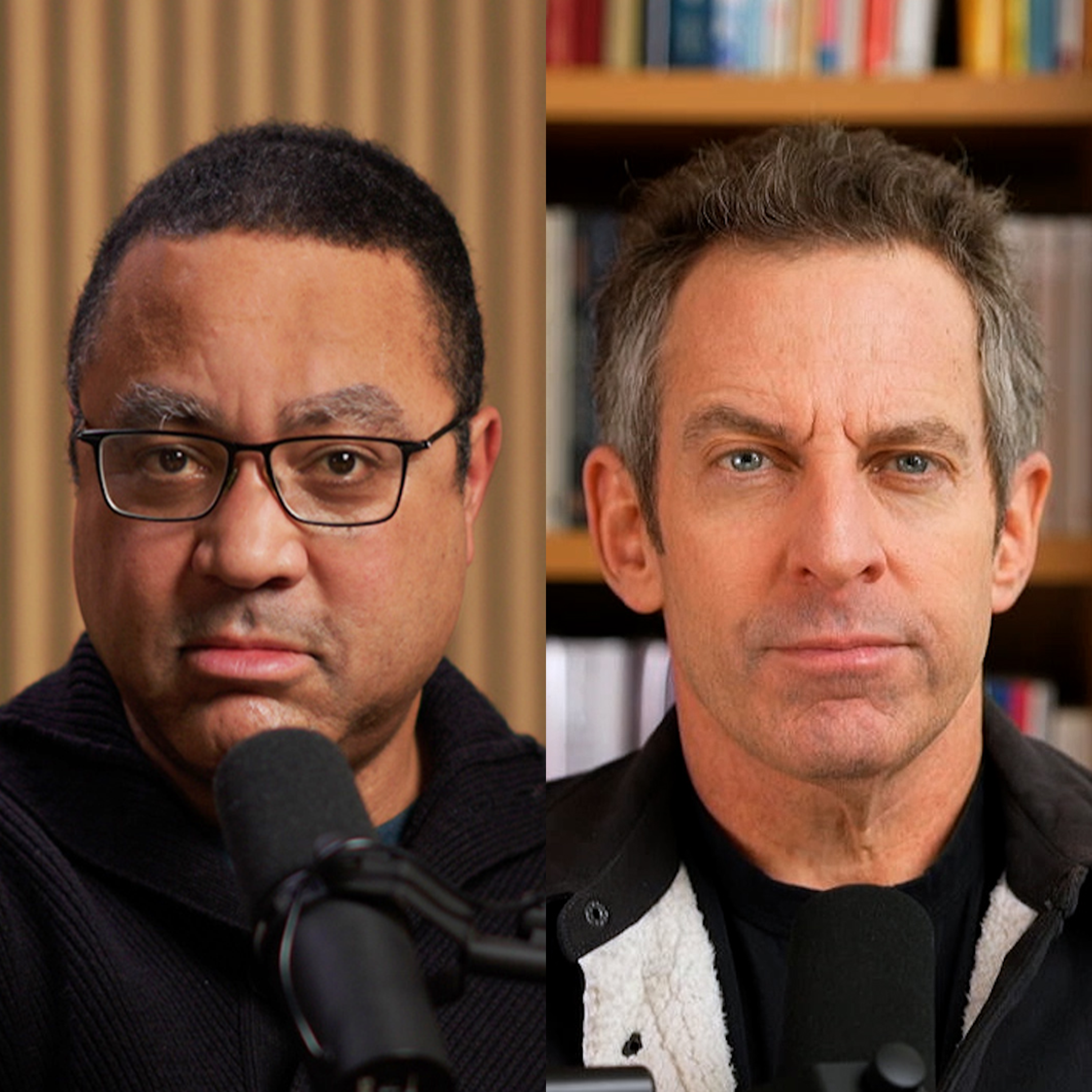
Citing Gandhi and the Civil Rights Movement, the most successful long-term protest strategies rely on peaceful non-resistance. Active resistance, even when justified, often escalates violence and cedes the moral high ground, making it a less effective tool for systemic change compared to disciplined, peaceful protest.

There is a strategic distinction between the act of protest and the act of being arrested. A savvy protester understands they are crossing a legal line but complies immediately with law enforcement to avoid violence. This preserves their safety and allows them to make their case in the proper venue: court.

The public outrage and riots in the UK stem not just from Henry Nowak's death, but from the stark contrast in official and cultural response compared to George Floyd's death. This creates a powerful sense of a two-tiered justice system based on race.
When analyzing large social movements, it's crucial to recognize the dual forces at play: legitimate public anger and significant financial backing from donors with specific, often questionable, motives. Dismissing a movement as purely fake or purely organic is a mistake.

The attempt to correct historical injustices through "anti-racist" policies is creating a powerful backlash. It is perceived as establishing a new, inverted racial hierarchy where victimhood is prioritized based on skin color, fueling social division and anger.
Discourse around controversial deaths like George Floyd's or Henry Nowak's quickly abandons forensic specifics (e.g., cause of death) for a more potent, underlying cultural issue. The narrative of victimhood and oppression is the true driver of mass reaction, not the facts of the case.