Get your free personalized podcast brief
We scan new podcasts and send you the top 5 insights daily.
For BRAF V600E mutated colorectal cancer, data argues against the common practice of starting with chemotherapy and saving targeted therapy for later. Hitting the specific tumor biology hard and early with combination targeted agents leads to significantly better outcomes, including doubling overall survival.

Related Insights
An expert argues the path to curing metastatic cancer may mirror pediatric ALL's history: combining all highly active drugs upfront. Instead of sequencing treatments after failure, the focus should be on powerful initial regimens that eradicate cancer, even if it means higher initial toxicity.

The landmark DYNAMIC-2 study showed that using ctDNA to guide adjuvant therapy decisions in Stage II colon cancer cut chemotherapy use by 50% (from 30% to 15% of patients). This de-escalation was achieved without any negative impact on patient outcomes, validating the approach.
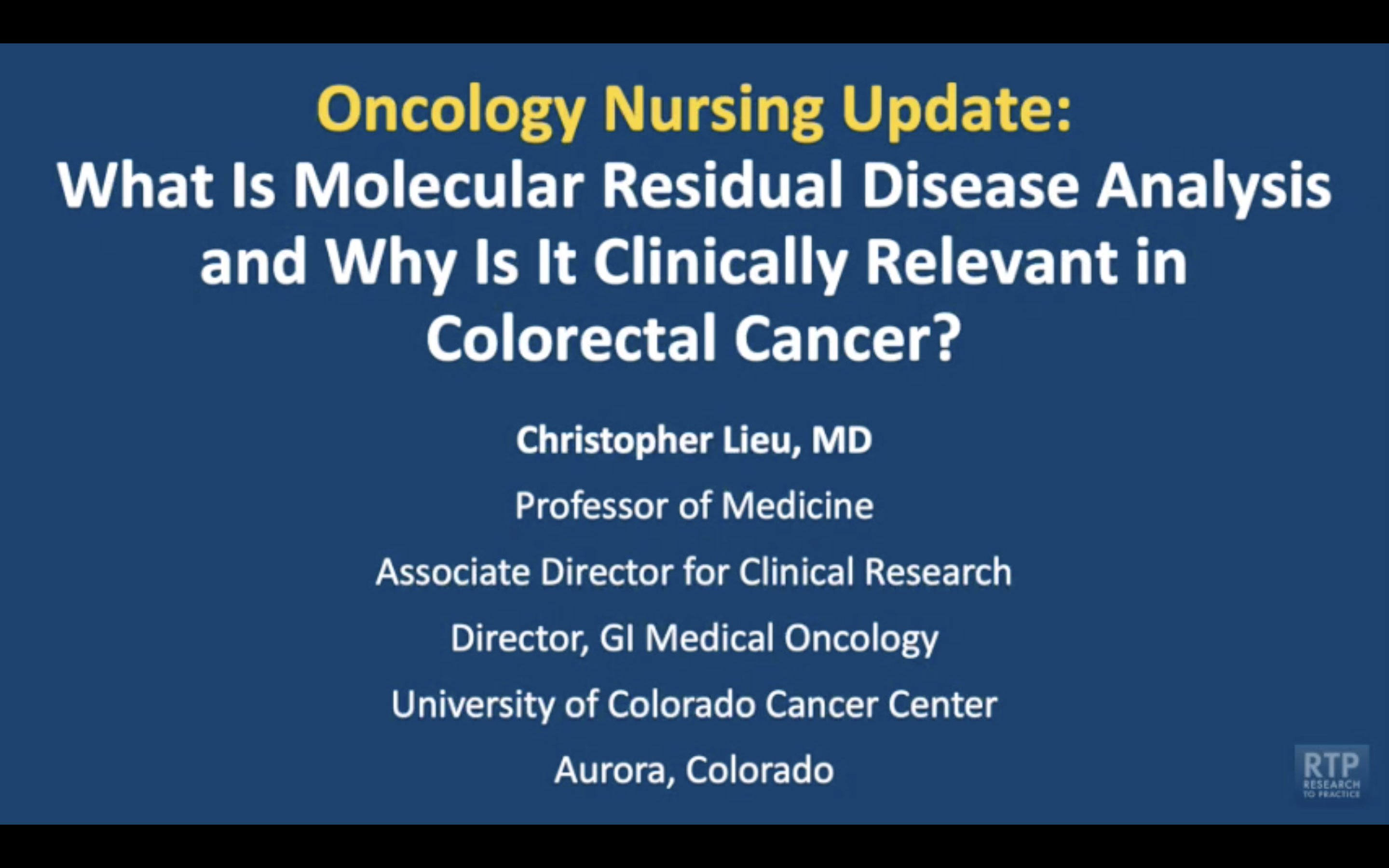
The practice-changing DYNAMIC trial showed that a ctDNA-guided strategy for stage II colorectal cancer reduces adjuvant chemotherapy use by 50%. Despite this significant de-escalation of treatment, patient outcomes and survival rates were identical to the standard-of-care approach.
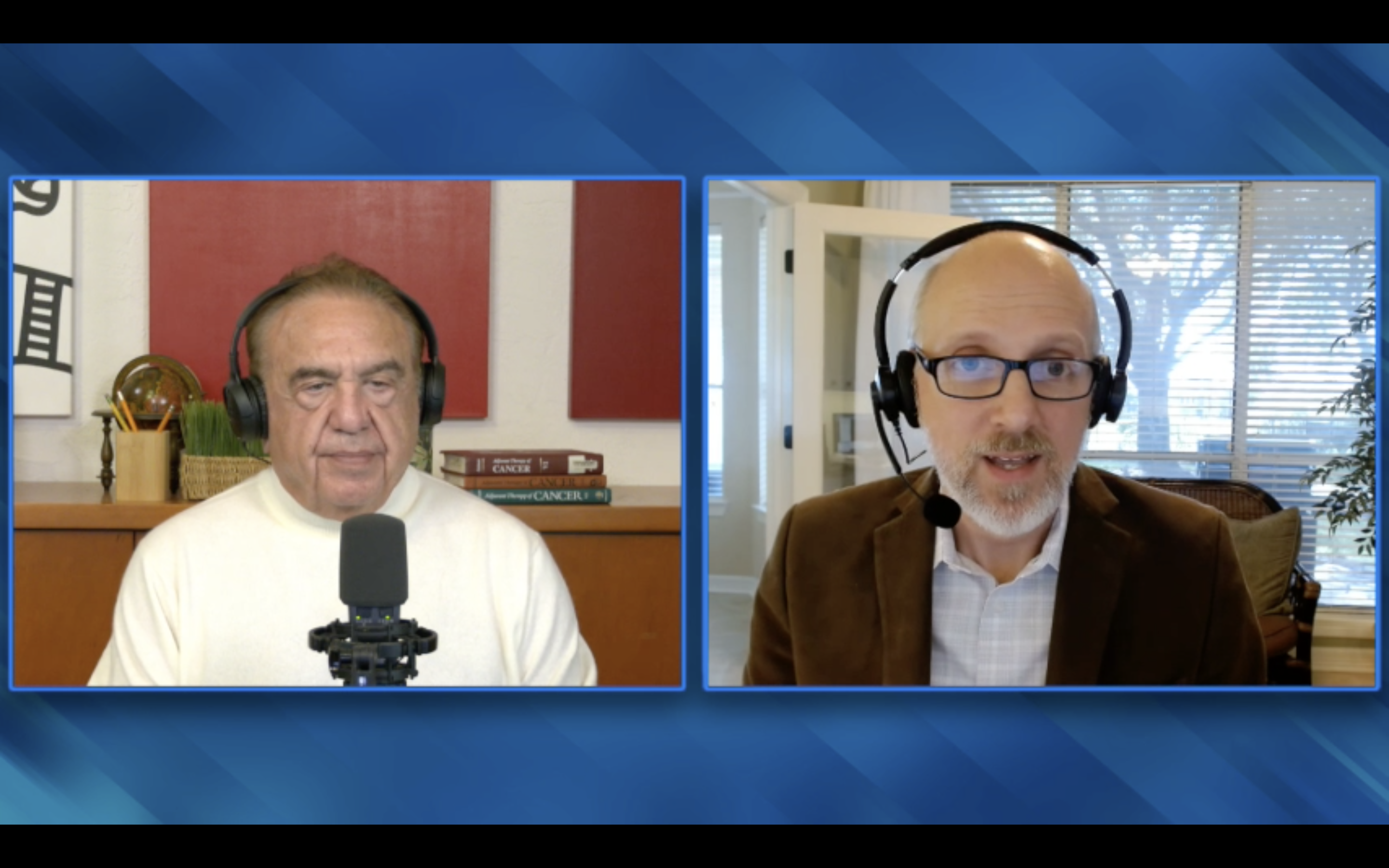
Circulating tumor DNA (ctDNA) analysis allows for early detection of resistance mechanisms, such as secondary FGFR2 mutations, before tumors show growth on scans. This provides a potential window to adjust treatment strategies proactively, offering an advantage over traditional imaging-based monitoring.
In the pivotal ECOG1910 trial, adding blinatumomab to frontline chemotherapy did more than just prevent relapse. It also improved non-relapse mortality, meaning it was a safer and more tolerable consolidation strategy than the chemotherapy alternative. This dual benefit drove its profound overall survival advantage.
In HER2-positive colorectal cancer, the choice of targeted therapy depends on RAS mutation status. The tucatinib/trastuzumab combination is effective only in RAS wild-type patients. In contrast, the antibody-drug conjugate trastuzumab deruxtecan (TDXD) shows efficacy regardless of whether a RAS mutation is present.

The presence of heterogeneous resistance mutations, some of which may be below detection limits, suggests a new strategy. Using a potent, broad-spectrum combination therapy upfront in the second-line setting, rather than sequential monotherapies, could eradicate more resistant clones and give patients a better chance at long-term survival or even a cure.
A common clinical pitfall is treating RAS/BRAF wild-type anal cancer with anti-EGFR antibodies, extrapolating from rectal adenocarcinoma protocols. Retrospective data shows this approach has only modest efficacy (4-5 month PFS) and is not a recommended strategy, highlighting a key difference between the two diseases.
A key lesson in bladder cancer is that patient attrition is rapid between lines of therapy; many who relapse from localized disease never receive effective later-line treatments. This reality provides a strong rationale for moving the most effective therapies, like EV-pembrolizumab, to earlier settings to maximize the number of patients who can benefit.
As more effective targeted therapies move into first- and second-line treatment, patients live longer. A paradoxical outcome is that more patients will survive long enough to become candidates for third-line therapy, potentially expanding this patient population rather than shrinking it.