Get your free personalized podcast brief
We scan new podcasts and send you the top 5 insights daily.
Specialization thrives in "kind" environments like chess or golf, where rules are fixed and feedback is immediate. However, in "wicked" environments with unclear rules and delayed feedback—common in modern business—specialists struggle to adapt. Generalists, with broader experience, are better equipped for novel challenges.

Related Insights
The speaker credits his career success to being a well-rounded "product hybrid" with skills in data, software, product, and design. He argues this versatility, allowing him to move from debugging firmware to debating product strategy, is more valuable than deep specialization, quoting "specialization is for insects."

AI will outperform any hyper-specialized human. To remain relevant, individuals should cultivate a broad range of knowledge. The full quote, "A jack of all trades is a master of none, but most times better than a master of one," becomes a career survival guide in the AI era.

In biology, hyper-specialization leads to fragility and extinction when conditions change. The most resilient model is the human hand—optimized for nothing, but adaptable to countless tasks. Organizations should pursue flexible adequacy rather than rigid optimization to ensure long-term survival.

Psychologists use the term "Einstellung effect" to describe our tendency to use familiar methods even when better ones exist. This is why specialists often fail to adapt in crises, clinging to their tools instead of "unlearning." Generalists, accustomed to acquiring new skills, are better at dropping familiar but ineffective tools.
Vinod Khosla advises that as AI is poised to automate 80% of jobs, the most critical career skill is not expertise in one domain but the meta-skill of learning new fields quickly and thinking from first principles.

Unlike most professions where deep specialization is crucial, legendary investors like Warren Buffett and Charlie Munger have thrived by being generalists. Their success comes from applying broad mental models across various industries, a stark contrast to the specialist approach that dominates other fields.

AI tools act as a 'superpower' for high-agency generalists who possess good taste and deep customer understanding but may lack deep technical specialization. This could reverse the long-standing corporate trend of valuing specialists, making these empowered generalists the most impactful players in a company.
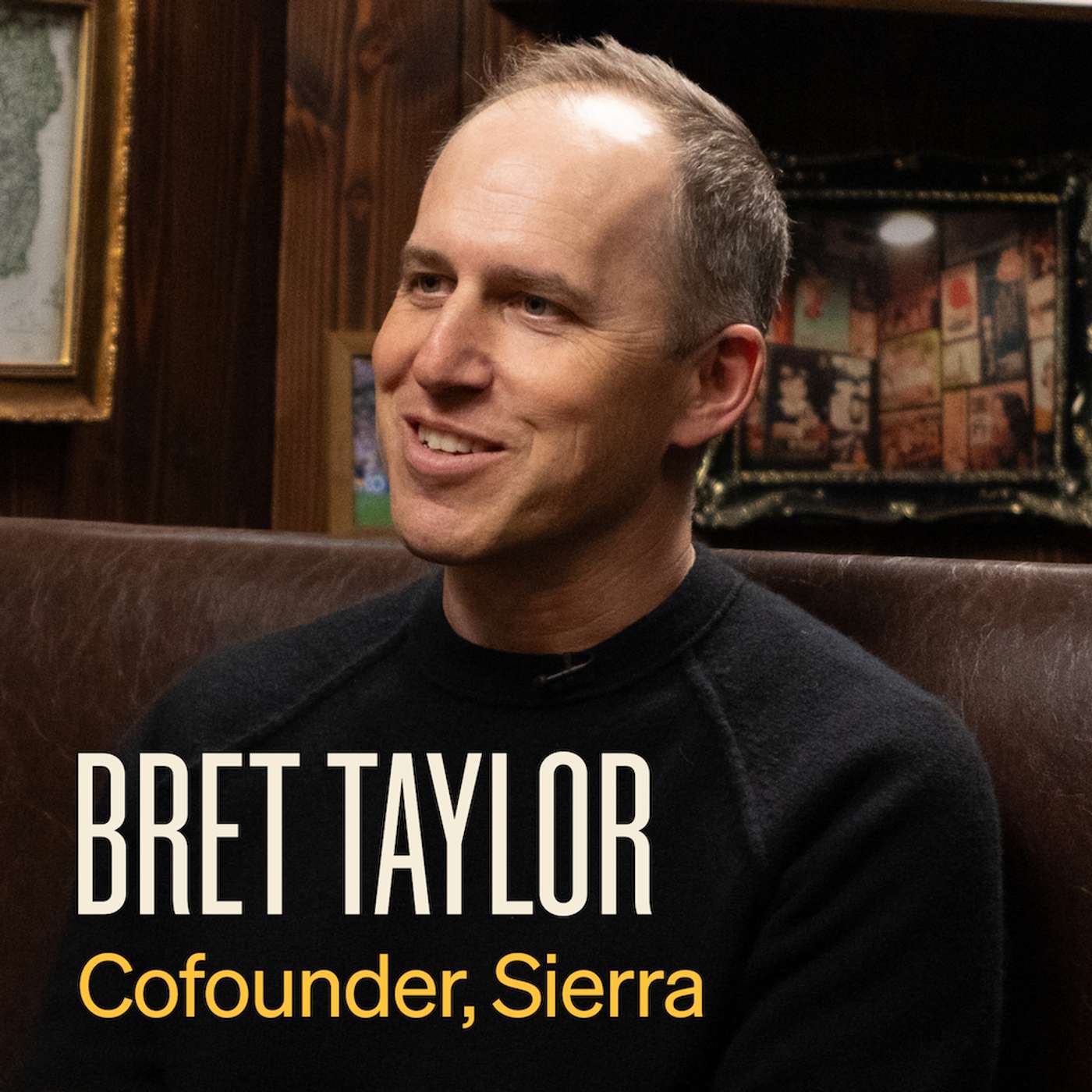
Top engineers are no longer just coding specialists. They are hybrids who cross disciplines—combining product sense, infrastructure knowledge, design skills, and user empathy. AI handles the specialized coding, elevating the value of broad, system-level thinking.

In a rapidly changing world, the most valuable skill is not expertise in one domain, but the ability to learn itself. This generalist approach allows for innovative, first-principles thinking across different fields, whereas specialists can be constrained by existing frameworks.
As AI masters specialized knowledge, the key human advantage becomes the ability to connect ideas across different fields. A generalist can use AI as a tool for deep dives on demand, while their primary role is to synthesize information from multiple domains to create novel insights and strategies.
