Get your free personalized podcast brief
We scan new podcasts and send you the top 5 insights daily.
Marks defines "second-level thinking" as the key to outperformance. It's a two-part requirement: you must think differently from the consensus, and your deviant thinking must also be more correct. Since the consensus is often close to right, simply being a contrarian for its own sake is a losing strategy.

Related Insights
Hunt argues that once a narrative is widely known, the risk/reward profile changes dramatically. The real alpha is generated by identifying a variant perspective early and riding the wave as it becomes consensus. This "discovery phase" is where the most money is made.

Marks frames contrarian investing not as simple opposition, but as using the market's excessive force (optimism or pessimism) against itself. This mental model involves letting the market's momentum create opportunities, like selling into euphoric buying, rather than just betting against the crowd.

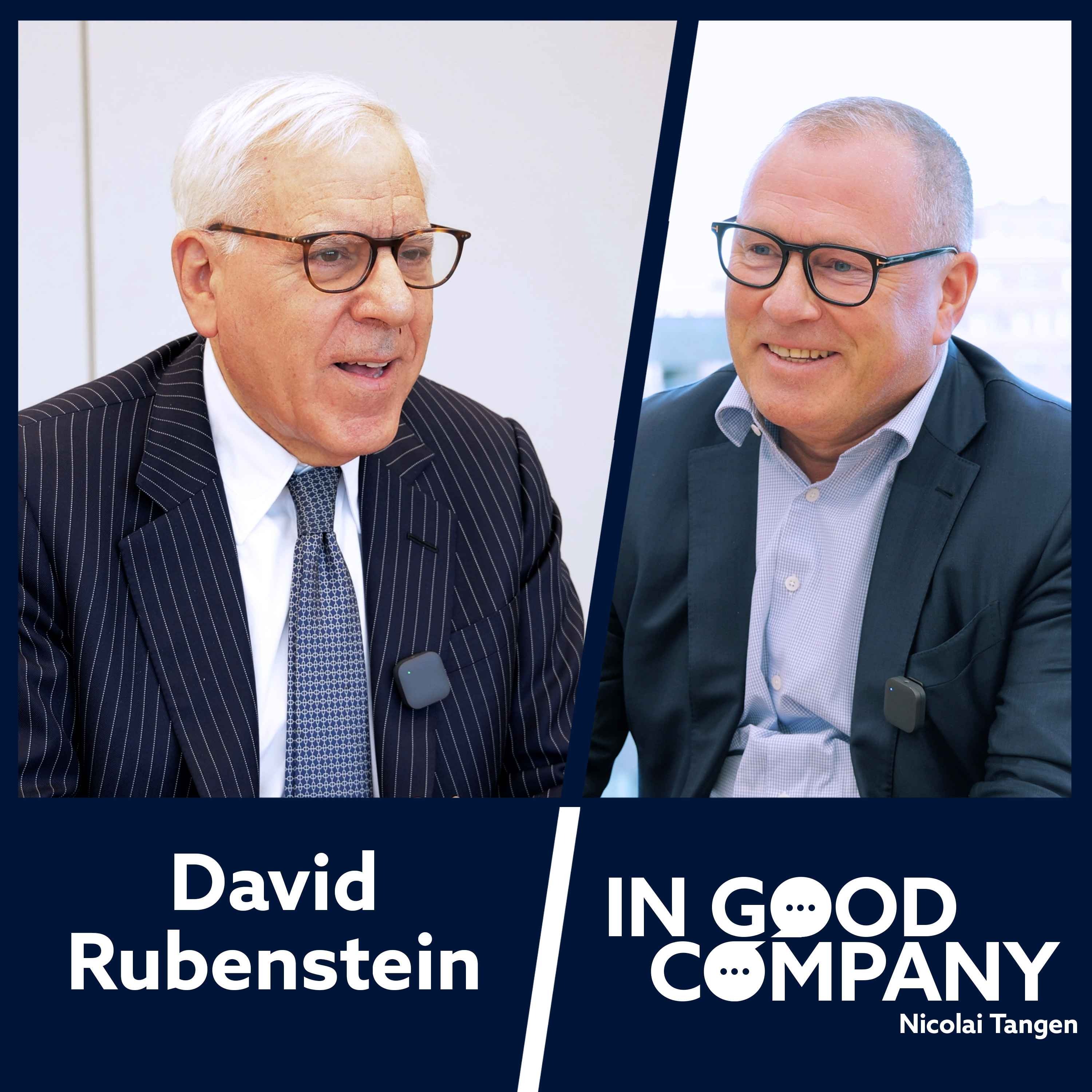
To achieve above-average investment returns, one cannot simply follow the crowd. True alpha comes from contrarian thinking—making investments that conventional wisdom deems wrong. Rubenstein notes the primary barrier is psychological: overcoming the innate human desire to be liked and the fear of being told you're 'stupid' by your peers.
Most good investors succeed by recognizing patterns (e.g., "SaaS for X"). However, the truly exceptional investors analyze businesses from first principles, understanding their deep, fundamental merits. This allows them to spot outlier opportunities that don't fit any existing mold, which is where the greatest returns are found.
![Luca Ferrari - Building Bending Spoons - [Invest Like the Best, EP.446] thumbnail](https://megaphone.imgix.net/podcasts/b29cbd80-b93a-11f0-a1b7-2b977c9469a2/image/39f7864ea628f71a81b94662bd4a86df.jpg?ixlib=rails-4.3.1&max-w=3000&max-h=3000&fit=crop&auto=format,compress)
During the dot-com bubble, Howard Marks used second-order thinking to stay rational. Instead of asking which tech stocks were innovative (a first-order question), he asked what would happen *after* everyone else piled in. This focus on embedded expectations, rather than simple quality, is key to avoiding overpriced, crowded trades.

In 2008, Howard Marks invested billions with conviction while markets crashed, yet he wasn't certain of the outcome. He held the paradox of needing to act decisively against the crowd while simultaneously accepting the real possibility of being wrong. This mental balance is crucial for high-stakes decisions.
A powerful exercise for investors is to find high-quality analysis and intentionally try to disagree with it. This process forces you to think critically, consult primary sources, and develop your own unique conclusions. Even if you end up agreeing, the mental work builds a more robust and differentiated investment thesis.

To achieve exceptional results, you must believe something and take action that the consensus thinks is wrong. This requires a non-consensual, often stubborn conviction. This path is high-risk because it means you are either a visionary who is early or you are simply an idiot.

To achieve excess returns, one must buy assets for less than they are worth. This requires finding a seller willing to transact at that low price—someone making a mistake. These mistakes arise from emotional biases, forced selling due to mandates, or misunderstanding complexity, creating bargain opportunities for disciplined, “second-level” thinkers.
Marks shares a key insight from his son: in a competitive field like investing, success requires outperforming others. Therefore, easily accessible quantitative data about the present—which everyone has—cannot be the source of an edge. Superiority must come from unique insights or proprietary information.