Get your free personalized podcast brief
We scan new podcasts and send you the top 5 insights daily.
Contrary to common SEO advice to simplify writing to a grade 8 level, data from AI citations shows the optimal readability is Grade 16, akin to The Economist or Harvard Business Review. Writing that is too simple (Grade 8) or too complex (Grade 19) is less likely to be cited. The goal is clear, professional writing for an intelligent audience.
Related Insights
As users shift from keywords to conversational prompts in AI browsers, SEO strategy must also evolve. The focus should be on creating 'answer-ready' content that directly and comprehensively addresses likely user questions, positioning your brand as a primary source for the AI to cite.

Data on 1.2 million AI responses reveals a "ski ramp" pattern: the first 30% of an article generates 44% of citations. This contradicts the standard SaaS blog post model of building context before providing the answer. To win AI citations, SaaS teams must front-load their key insights, moving the conclusion to the introduction.
Data from 57 million conversions shows that landing pages written at a 5th-7th grade level have a 56% higher conversion rate than those at an 8th-9th grade level. This quantifies the severe financial penalty for even slightly complex marketing copy, making radical simplicity a CRO imperative.

Cited content has a median subjectivity score precisely in the middle of pure fact and pure opinion. SaaS content often falls at the extremes: dry, Wikipedia-like documentation or unsubstantiated 'hot take' blog posts. The winning strategy is an 'analyst voice' that presents a fact and immediately explains its implication for the reader.
Technical structure is crucial for AI Search Optimization (AEO). An article with properly ordered HTML headings (H1, H2, H3) is three times more likely to be cited by an LLM compared to a similar Page 1 ranking article with poor structure, making it a critical, low-effort optimization.

Cited text contains roughly three times more named entities—specific tools, brands, people, studies, dates—than standard prose. These entities serve as verifiable anchors for AI models, reducing uncertainty. SaaS teams often avoid naming competitors, but this 'sanitizing' of the category makes their content less retrievable and less citable.
As zero-click searches grow, traditional SEO is declining. Shift focus to AEO by creating structured, direct, citation-worthy answers to common customer questions. The goal is to be the source that AI assistants like Perplexity and ChatGPT cite, not just to rank on Google.

To improve your content's standing with AI models, don't just use AI to write. Research what sources tools like Perplexity and ChatGPT cite on a topic. Then, incorporate and reference those same sources in your article. This signals value and helps your content become a preferred source for AI.

In the era of zero-click AI answers, the goal shifts from maximizing time-on-page to providing the shortest path to a solution. Content must lead with a direct, data-dense summary for AI agents to easily scrape and cite.
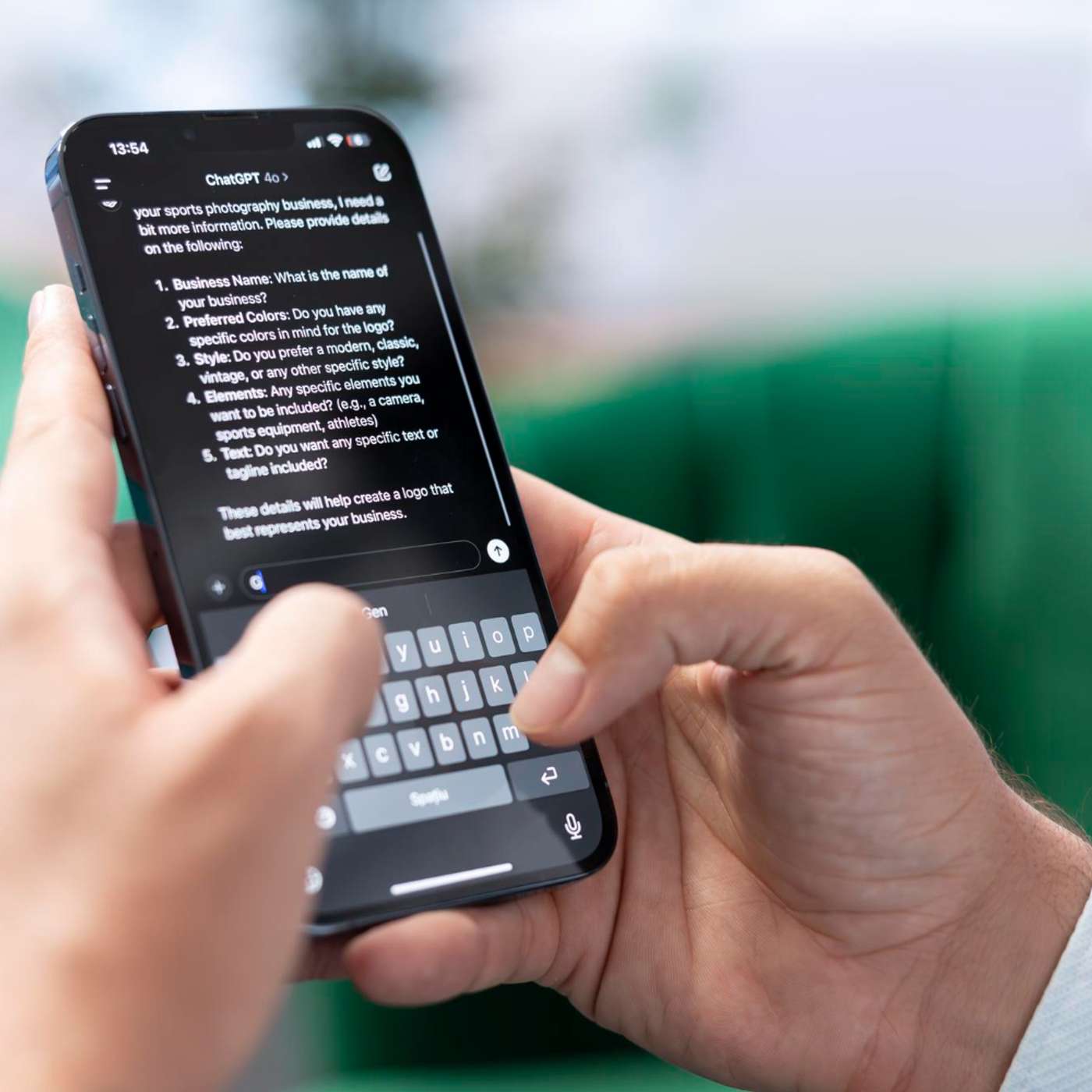
To increase the chances of being cited in AI search, structure content in formats that directly answer user questions. FAQs and benchmark/evaluation tools perform exceptionally well because they provide clear, structured answers that LLMs can easily parse and present to users conducting research.
