Get your free personalized podcast brief
We scan new podcasts and send you the top 5 insights daily.
The primary constraint on building new AI data centers isn't acquiring land or power, but securing "powered shells"—fully energized buildings with cooling and components. Supply chains for transformers and a severe shortage of accredited electricians are the true limiting factors.

Related Insights
The primary bottleneck for scaling AI over the next decade may be the difficulty of bringing gigawatt-scale power online to support data centers. Smart money is already focused on this challenge, which is more complex than silicon supply.
Contrary to the common focus on chip manufacturing, the immediate bottleneck for building new AI data centers is energy. Factors like power availability, grid interconnects, and high-voltage equipment are the true constraints, forcing companies to explore solutions like on-site power generation.

While the world focused on GPU shortages, the real constraint on AI compute is now physical infrastructure. The bottleneck has moved to accessing power, building data centers, and finding specialized labor like electricians and acquiring basic materials like structural steel. Merely acquiring chips is no longer enough to scale.
While chip fabrication is complex, the most binding constraint for AI compute providers is physical infrastructure. The entire industry's growth is bottlenecked by the availability of powered data center buildings, a problem projected to persist for at least another 15-18 months.
While GPUs dominated headlines, the most significant bottleneck in scaling AI data centers was 100-year-old power transformer technology. With lead times stretching over three years and costs surging 150%, connecting new data centers to the grid became the primary constraint on the AI buildout.
The race to build AI infrastructure was constrained not by advanced semiconductors, but by the availability of power transformers. This overlooked, 100-year-old technology saw lead times balloon to over three years, becoming the single biggest gating factor for new data center deployments.

The rapid expansion of AI data centers is constrained less by technology or capital and more by a critical shortage of skilled labor. An estimated 500,000 new jobs, particularly electricians needed for grid upgrades that require four years of training, are the most significant barrier to growth in the US.

While supply chains for GPUs and power have been major hurdles, the current primary constraint for building new data centers is a shortage of skilled construction workers. There simply are not enough electricians and laborers to build facilities quickly enough to meet demand.

The AI supply crunch extends beyond advanced processors. The industry faces critical shortages of basic components like electrical transformers and switches, with lead times stretching three to five years. This creates a less obvious but significant bottleneck for building the necessary data center infrastructure.
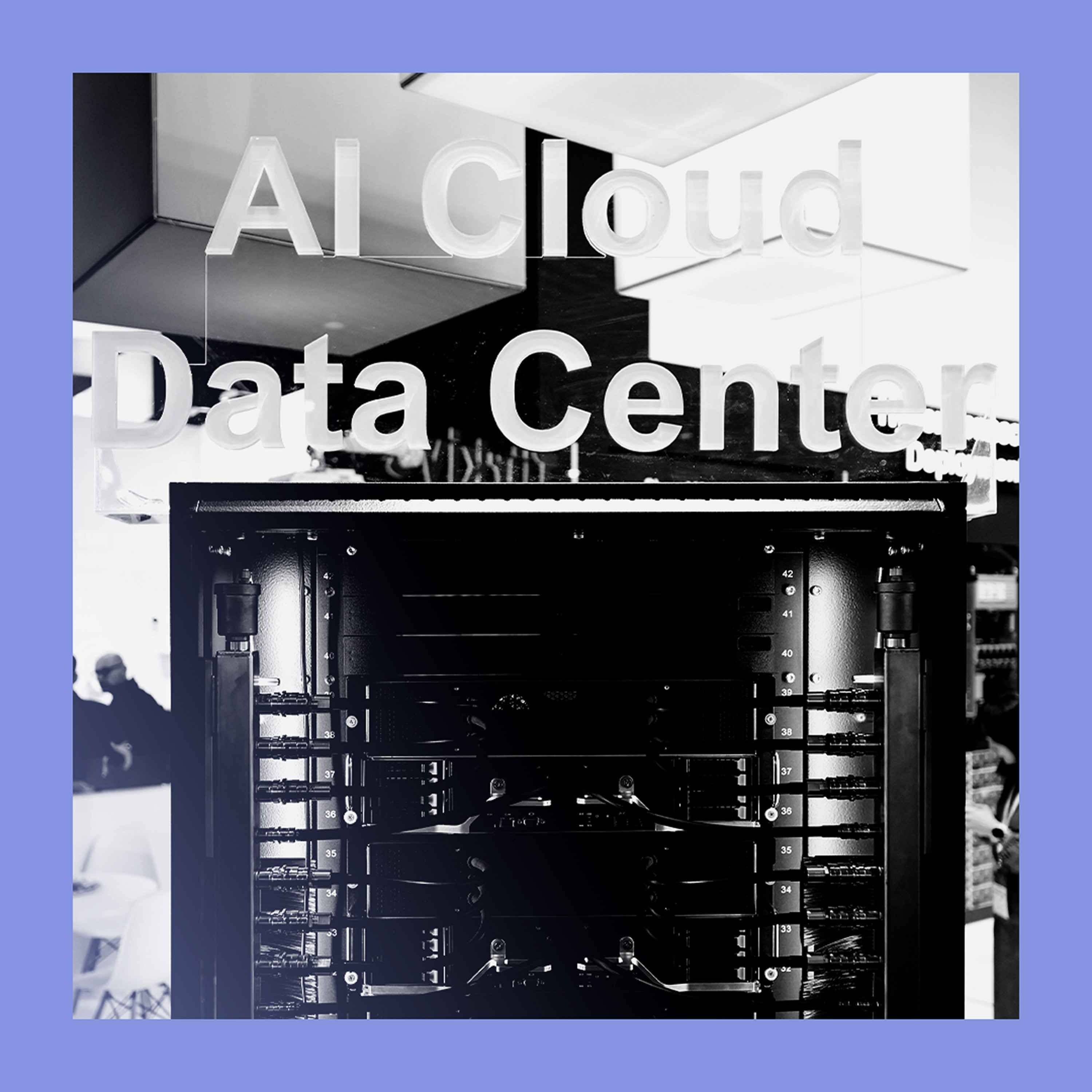
As hyperscalers build massive new data centers for AI, the critical constraint is shifting from semiconductor supply to energy availability. The core challenge becomes sourcing enough power, raising new geopolitical and environmental questions that will define the next phase of the AI race.