Get your free personalized podcast brief
We scan new podcasts and send you the top 5 insights daily.
Lacking facts, influential commentators compared Bob Lee's murder to the unrelated Brianna Kupfer case, speculating it was a random attack by a "psychotic homeless person." This false equivalence, presented as likely, fueled a misleading narrative before any suspect was identified.

Related Insights
The erosion of trusted, centralized news sources by social media creates an information vacuum. This forces people into a state of 'conspiracy brain,' where they either distrust all information or create flawed connections between unverified data points.

The arrest of Nima Momeni, a tech professional known to Bob Lee, completely contradicted the dominant narrative of a random street crime. However, the initial, incorrect story shaped global perceptions of San Francisco, highlighting that facts struggle to undo the damage of viral misinformation.
When Police Commissioner Kevin Benedicto publicly urged for patience and cautioned against politicizing Bob Lee's death, he faced immediate backlash. Influential figures amplified his comments negatively, leading to threats against him and his family, demonstrating the personal risk of countering a powerful, viral narrative.
During the GameStop saga, Robinhood's factual explanation of a risk management decision was drowned out by the more compelling, false narrative of hedge fund collusion. This shows that in a crisis, a captivating story, true or not, will always beat dry facts in the court of public opinion.

John McWhorter identifies a key error post-George Floyd: the widespread belief that police frequently kill unarmed Black men. He notes public estimates are off by orders of magnitude from the actual data (around 10-15 per year). This statistical illiteracy, amplified by viral videos, created a false narrative impervious to facts.
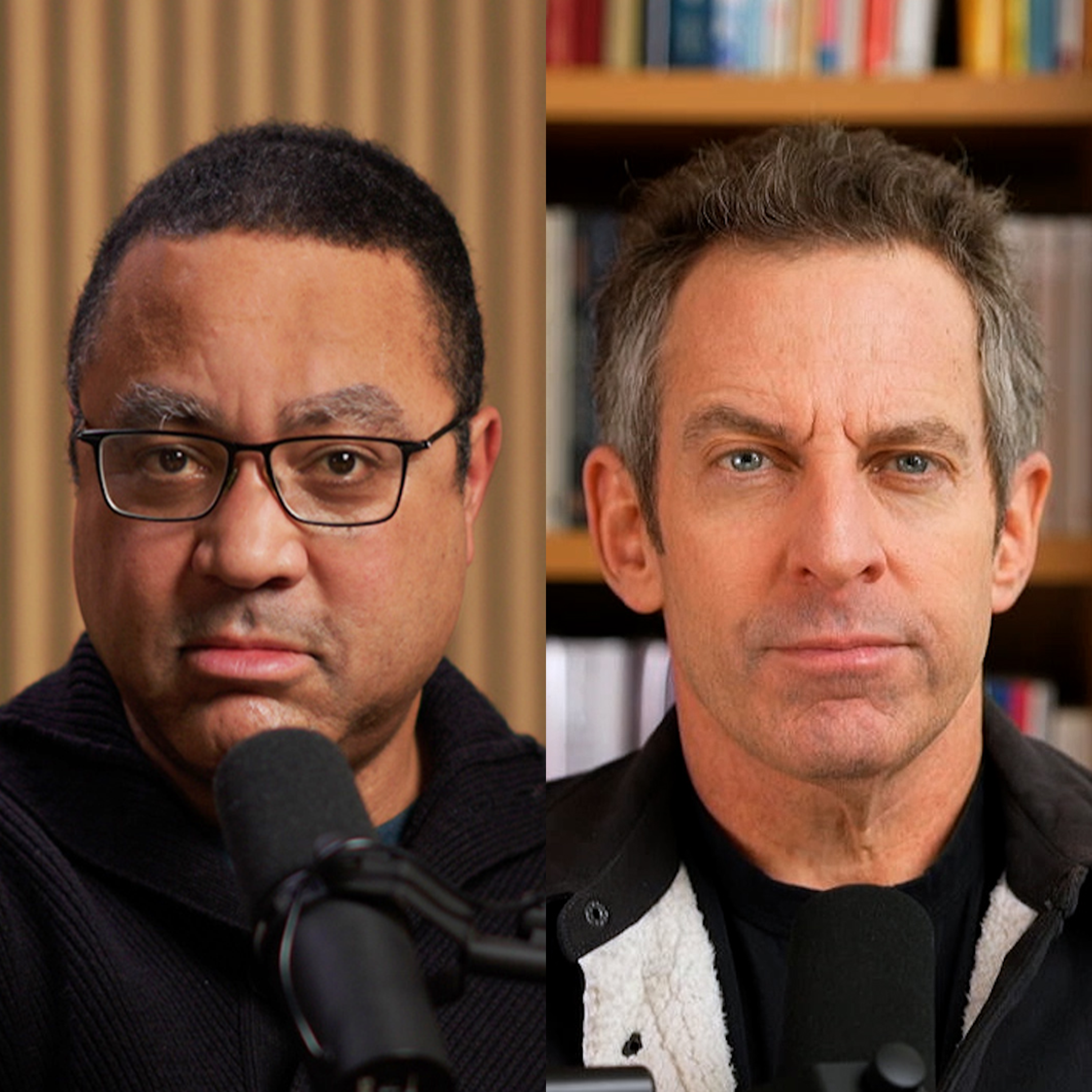
The nine-day gap between Bob Lee's murder and an arrest allowed speculation to flourish. This void was filled by a pre-existing narrative about San Francisco's decline, driven by fear and political agendas, which quickly overshadowed the facts of the case.
Michael Shermer suggests that when people latch onto misinformation, it's less about the event's specifics and more a manifestation of a pre-existing tribal belief. The false story simply reinforces a general sentiment, like "I don't trust that group," making the specific facts irrelevant.
The human brain resists ambiguity and seeks closure. When a significant, factual event occurs but is followed by a lack of official information (often for legitimate investigative reasons), this creates an "open loop." People will naturally invent narratives to fill that void, giving rise to conspiracy theories.
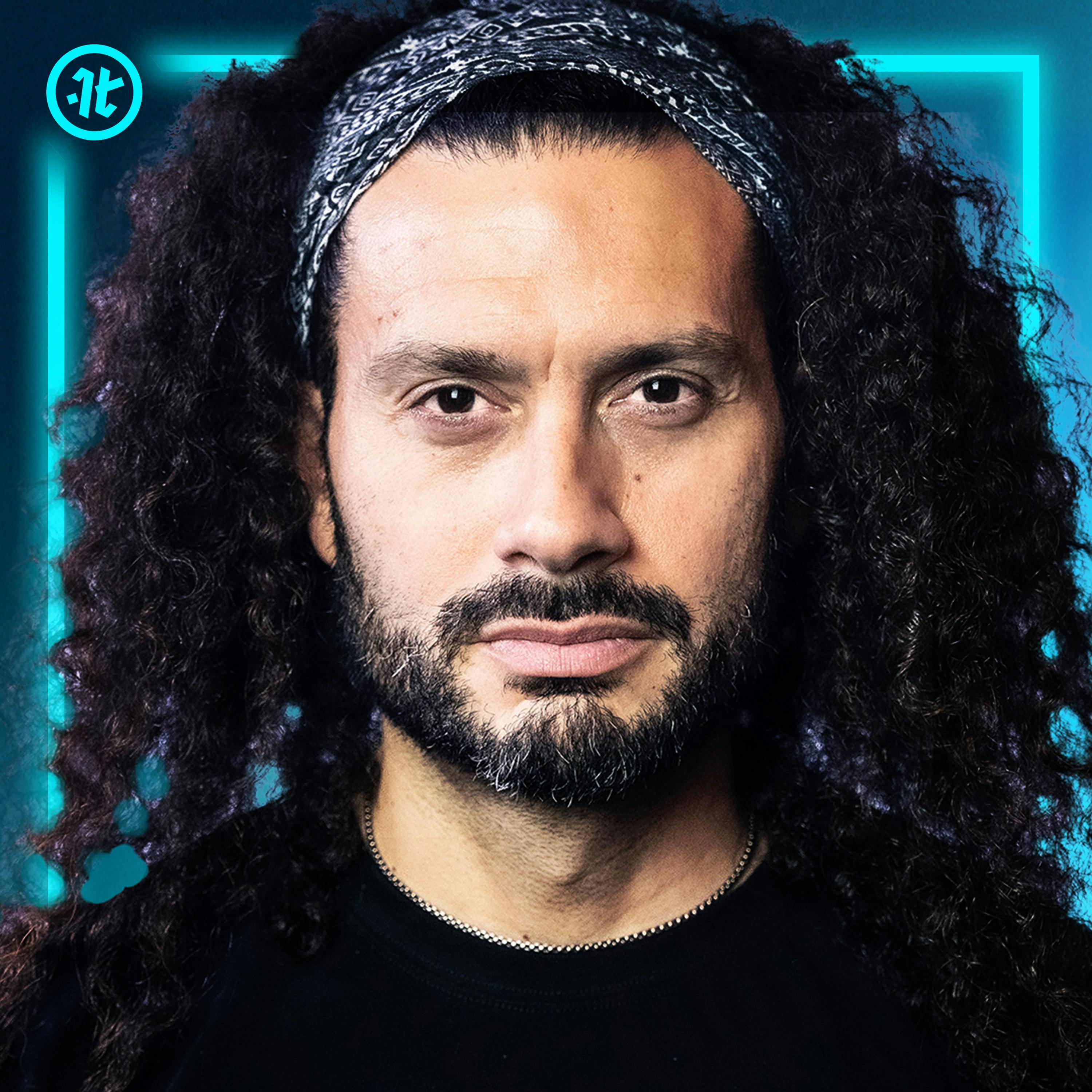
Contrary to the idea of purely cynical manipulators, most gurus and misinformation spreaders seem to genuinely believe what they're selling. This self-delusion, often fueled by narcissism or pattern-seeking, makes their message more compelling and authentic to their audience than a calculated lie would be.

Influential figures like Elon Musk and venture capitalists immediately used Bob Lee's death to criticize San Francisco's progressive politicians. They framed the tragedy as proof of a "Doom Loop" and lawlessness, advancing a political agenda before any facts about the crime were known.