Get your free personalized podcast brief
We scan new podcasts and send you the top 5 insights daily.
The surge in longevity funding from tech billionaires stems from their mindset of viewing life as a hackable software problem. Accustomed to immense power and control, they see death as the ultimate challenge to conquer, not just a biological inevitability.
Related Insights
Once medical science can extend life expectancy by more than one year per calendar year, we will reach a point where individuals outpace aging indefinitely. This concept transforms the fight against aging from a purely biological battle into a technological race against time.

The fund backs underfunded, high-risk ideas that others pass on. The goal isn't just to find a unicorn; it's to contribute to science by definitively disproving a hypothesis. A failure is viewed as "crossing out a wrong answer" for the entire field.

While the wealthy can access expensive protocols involving diagnostics and lifestyle optimization, these offer only marginal benefits. True, effective longevity will not come from this but from validated, mass-produced biotech drugs that target the core mechanisms of aging.
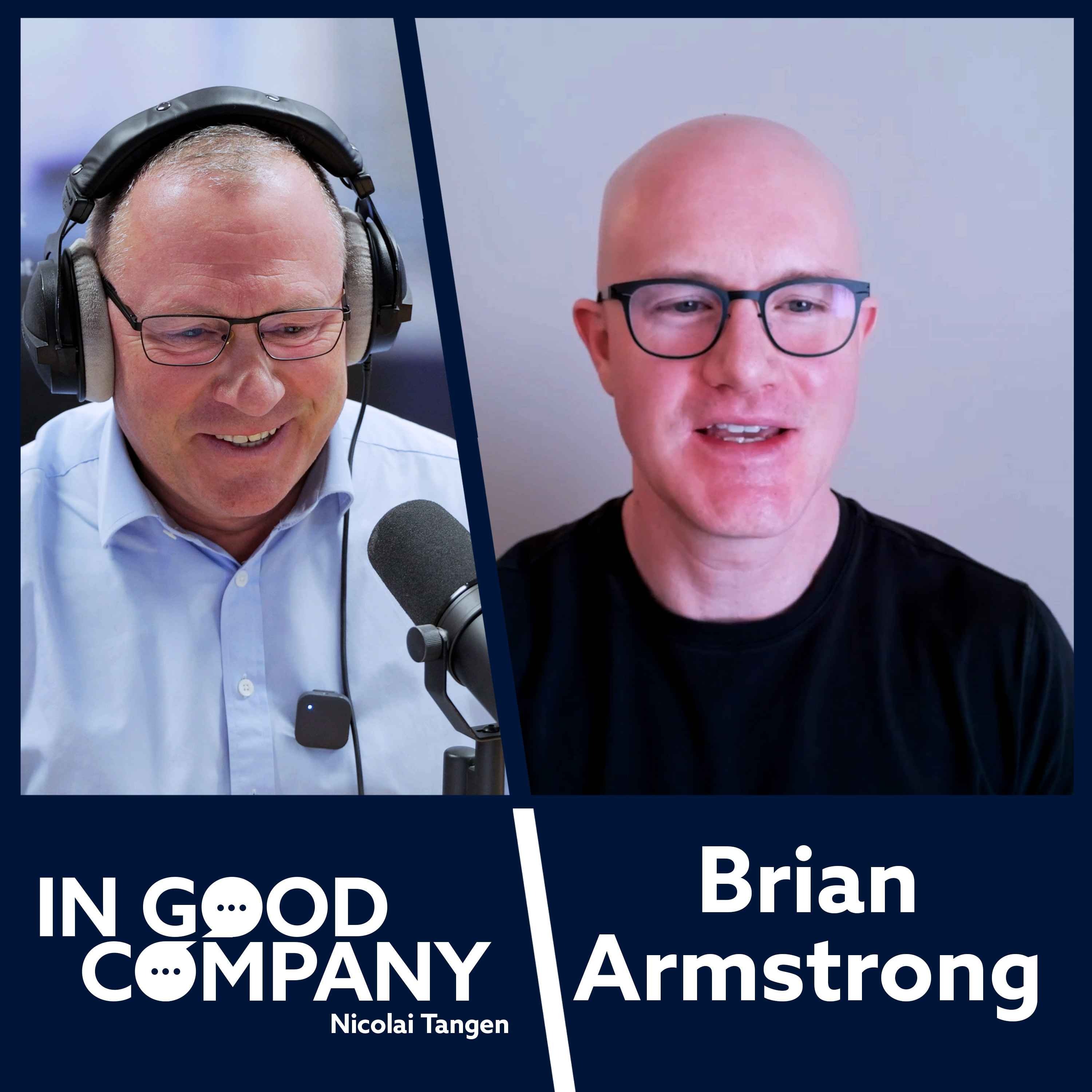
As a co-founder of a longevity biotech firm, Brian Armstrong predicts a 50% chance of reaching "longevity escape velocity" by 2030-2035. This is the point where medicine adds more than a year to life expectancy for every year that passes, driven by breakthroughs in AI-powered drug discovery and cellular analysis.
Yuta Lee highlights a paradox: the ultra-wealthy, who could most benefit from extending their healthspan, often prioritize conventional financial returns over investing in the biotech that could make it possible. He argues that health is the last true asset to compound, yet it remains underfunded by this key group.

While foundational, lifestyle improvements have a ceiling. The next major breakthroughs in extending health and lifespan, achieving "longevity escape velocity," will be delivered by advanced biotech like cellular reprogramming, not by the mass adoption of perfect diet, sleep, and exercise habits.

Despite believing aging is solvable, Elon Musk hesitates to focus on it. He argues that death is a necessary feature for society, as it prevents "ossification" by ensuring older, change-averse leaders are eventually replaced by new generations with fresh ideas.

Kara Swisher observes that tech billionaires like Jeff Bezos and Larry Ellison approach longevity not just as health, but as a system to be hacked and optimized. After achieving financial success, they apply the same problem-solving, optimization-focused mindset to their own biology, seeking to control and master mortality.

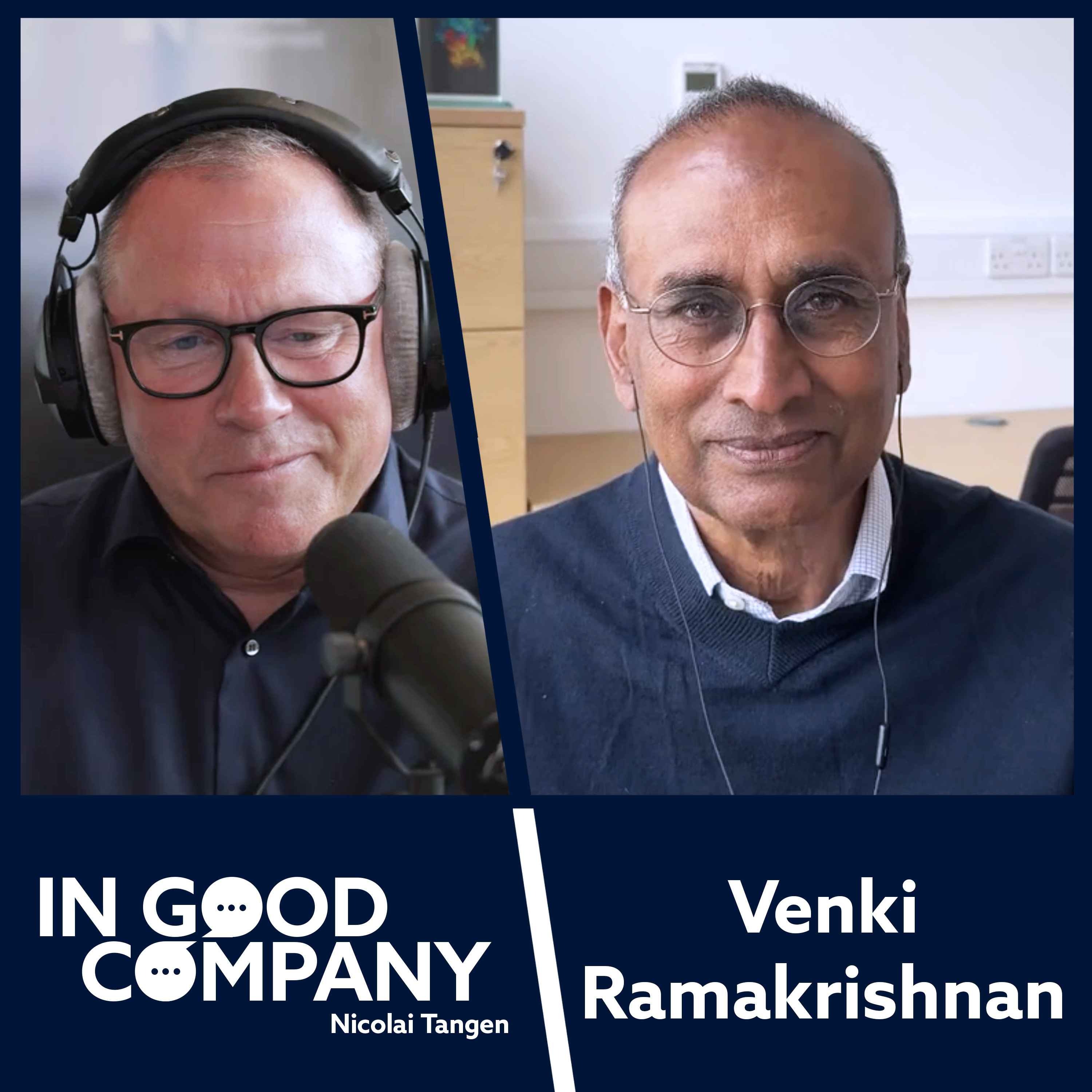
Venki Ramakrishnan critiques the stated mission of longevity company Altos Labs, which aims for people to "die young after a long time." He highlights the paradox: if a person is biologically young and healthy, there is no mechanism for them to suddenly die, suggesting the true goal is radical life extension.
The ultimate aim of longevity science is not just adding years, but reaching a point where therapies reverse biological age by more than one year for every chronological year that passes. This concept reframes the objective as achieving a state of continuous rejuvenation.