Get your free personalized podcast brief
We scan new podcasts and send you the top 5 insights daily.
Kara Swisher observes that tech billionaires like Jeff Bezos and Larry Ellison approach longevity not just as health, but as a system to be hacked and optimized. After achieving financial success, they apply the same problem-solving, optimization-focused mindset to their own biology, seeking to control and master mortality.

Related Insights
Kara Swisher argues that the most effective strategy for living longer has nothing to do with biohacking or supplements. Instead, she identifies poverty as the clearest indicator of a shorter lifespan, due to factors like stress, lack of access to healthcare, poor nutrition, and inadequate sleep. Socioeconomic status trumps all other health interventions.
Counter to the tech industry's focus on supplements and gadgets, scientific and correlational data show the single biggest factor for longevity is the quality of one's relationships. Community involvement and genuine human connection have a greater impact on healthspan than individual biohacking efforts.

Some individuals possess genetic variants, like FOXO3, that slow their biological clocks. The goal of emerging "gero-protectors" is not immortality but to replicate this advantage for everyone, slowing aging to compress frailty into a shorter period at the end of life and extend healthspan.

Once medical science can extend life expectancy by more than one year per calendar year, we will reach a point where individuals outpace aging indefinitely. This concept transforms the fight against aging from a purely biological battle into a technological race against time.
While the wealthy can access expensive protocols involving diagnostics and lifestyle optimization, these offer only marginal benefits. True, effective longevity will not come from this but from validated, mass-produced biotech drugs that target the core mechanisms of aging.
Beyond tackling fatal diseases to increase lifespan, a new wave of biotech innovation focuses on "health span"—the period of life lived in high quality. This includes developing treatments for conditions often dismissed as aging, such as frailty, vision loss, and hearing decline, aiming to improve wellbeing in later decades.

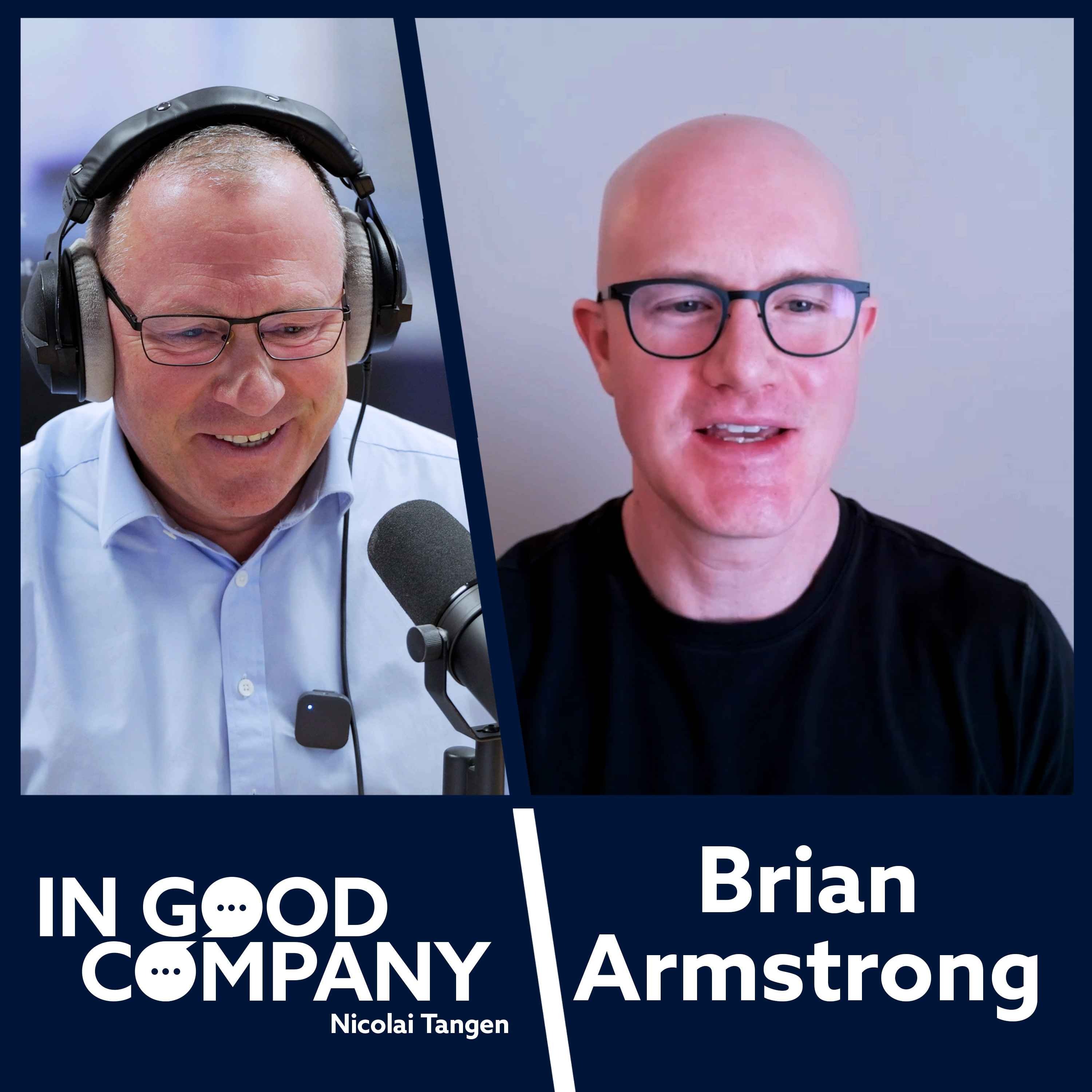
As a co-founder of a longevity biotech firm, Brian Armstrong predicts a 50% chance of reaching "longevity escape velocity" by 2030-2035. This is the point where medicine adds more than a year to life expectancy for every year that passes, driven by breakthroughs in AI-powered drug discovery and cellular analysis.
While foundational, lifestyle improvements have a ceiling. The next major breakthroughs in extending health and lifespan, achieving "longevity escape velocity," will be delivered by advanced biotech like cellular reprogramming, not by the mass adoption of perfect diet, sleep, and exercise habits.

Current healthcare spending, or "Aging 1.0," focuses on managing age-related decline via retirement homes and late-stage care. The new paradigm, "Aging 2.0," uses biotechnology to prevent the need for this maintenance in the first place, representing a fundamental strategic shift.
The trend of biohacking with peptides and microdosing is more than a fad; it's a direct signal of profound frustration with the traditional healthcare system. Accelerated by a post-COVID loss of trust in institutions, people are increasingly taking their health into their own hands, seeking alternative solutions.
