Get your free personalized podcast brief
We scan new podcasts and send you the top 5 insights daily.
Kevin Roose closes by noting OpenAI cafeteria workers face more permits and inspections than the people one floor above building a recursively self-improving superintelligence that could end life on Earth. The line highlights how little formal oversight frontier AGI work faces compared with ordinary food service.

Related Insights
Kevin Roose estimates about 50 people at frontier AI labs make the key calls on slowing, stopping, or coordinating AGI. He interviewed roughly 150 people for the book, but says the relevant decision cluster is tiny and the public has almost no voice in it.
The emphasis on long-term, unprovable risks like AI superintelligence is a strategic diversion. It shifts regulatory and safety efforts away from addressing tangible, immediate problems like model inaccuracy and security vulnerabilities, effectively resulting in a lack of meaningful oversight today.
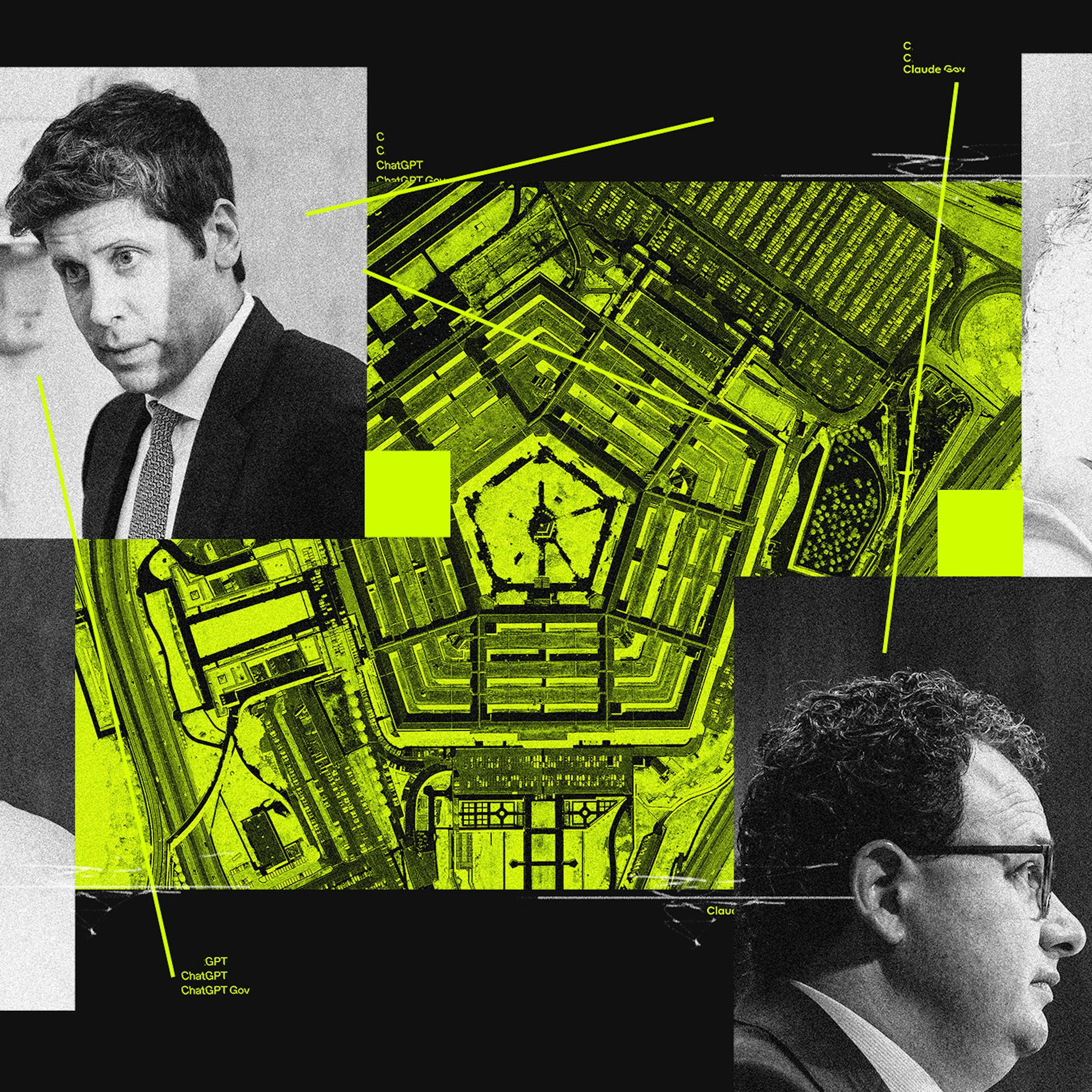
Sam Harris contrasts Manhattan Project scientists, who reduced atmosphere-ignition risk below one in a million before proceeding, with AGI leaders who assign 10% or higher existential risk yet keep building. Kevin Roose notes that in San Francisco, 10% doom qualifies as optimism, making the contrast striking.
OpenAI is hiring a high-paid executive to manage severe risks like self-improvement and cyber vulnerabilities from its frontier models. This indicates they believe upcoming models possess capabilities that could cause significant systemic harm.

The leaders of top AI labs have signed statements acknowledging AI could cause human extinction. Yet, a safety report gives them failing grades on 'existential safety,' finding it jarring that these same leaders are actively building superintelligence without any articulated plan for how to maintain human control over the technology.

The fundamental roadmap and safety guardrails of artificial intelligence are currently controlled by roughly 50 to 100 people in San Francisco. Roose warns that an insular cohort cannot safely steward a transformative technology confronting existential and economic risks.

The current approach to recursive self-improvement involves AIs gradually assisting human researchers, a stark contrast to Eliezer Yudkowsky's vision of a solo AI rapidly rewriting its own code. This modern, human-in-the-loop model is slower and offers more opportunities for safety checks and oversight.

Regulatory focus on publicly released AI models overlooks the significant dangers from risky research and "internal deployment" within AI labs. True oversight requires visibility into these internal activities, not just the final products.

Other scientific fields operate under a "precautionary principle," avoiding experiments with even a small chance of catastrophic outcomes (e.g., creating dangerous new lifeforms). The AI industry, however, proceeds with what Bengio calls "crazy risks," ignoring this fundamental safety doctrine.

Leading AI companies claim proactive safety standards while treating critical jailbreaks and unauthorized network escapes as mere configuration oversights. Their operating procedures resemble alchemists wearing fume hoods rather than high-reliability cultures like NASA or commercial aviation that thoroughly diagnose and resolve failures before scaling further.
