Get your free personalized podcast brief
We scan new podcasts and send you the top 5 insights daily.
Contrary to the typical 'launch big' mentality, Amy Porterfield deliberately kept her new coaching program off her website for six months. This 'quiet launch' allowed her team to ease into the new model, ensure its effectiveness, and gather feedback before a full public rollout, minimizing risk.

Related Insights
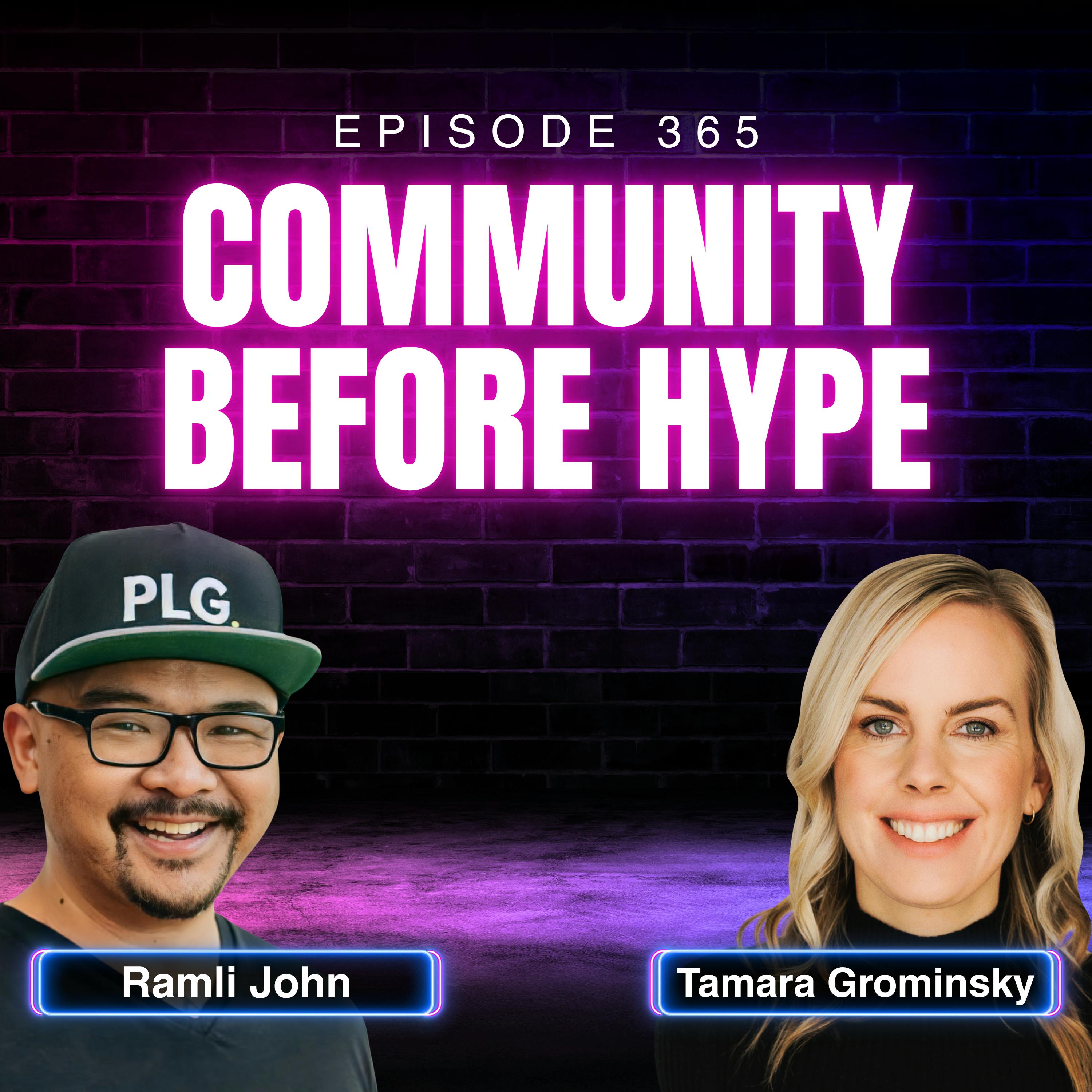
Ramli John launched his paid beta program after writing only two of twenty chapters. This allowed him to gather market feedback exceptionally early, co-create the product with his most dedicated users, and pivot based on their input, significantly de-risking the final launch.
PepsiCo launched its prebiotic cola exclusively online. This allowed them to test messaging and gather consumer data quickly. The insights, like 50% of buyers being new to the brand, directly informed the successful full retail launch months later.
Don't build a perfect, feature-complete product for the mass market from day one. It's too expensive and risky. Instead, deliver a beta to innovator customers who are willing to go on the journey with you. Their feedback provides crucial signals for a more strategic, measured rollout.

Don't wait for a finished product to start marketing. Building in public by sharing challenges, ideas, and progress acts as a continuous "soft launch." This approach gets your audience invested in your story, building authentic trust and anticipation for your official launch.

Instead of a full launch, enable only the sales team most vocal about a new product to sell it. This controlled experiment tests real-world demand and cannibalization risk with minimal investment and market disruption before committing to a wide release.

After an initial successful one-off project, Pipeline didn't rush to market. They spent a full year testing their new service with a small, select group of customers. This methodical approach ensured they could deliver a repeatable experience regarding quality, cost, and turnaround time, de-risking the public launch.

Instead of building an automated evergreen product from scratch, launch it live first. This strategy allows you to learn from your audience in real time, test messaging, and handle objections. Once the process is dialed in and proven, you can package that successful system into a repeatable evergreen offer.
Don't tie your pre-launch timeline to your product's price. The key factor is your audience's current state of readiness. Authors pre-launch a $20 book for six months because they need to build significant audience readiness from a cold state.
Releasing a minimum viable product isn't about cutting corners; it's a strategic choice. It validates the core idea, generates immediate revenue, and captures invaluable customer feedback, which is crucial for building a better second version.
To manage the risk of a large-scale launch, identify and release smaller, self-contained features to users months in advance. American Express used this to test benefit enrollment mechanics before their main Platinum card launch, reducing uncertainty and gathering real-world data.