Get your free personalized podcast brief
We scan new podcasts and send you the top 5 insights daily.
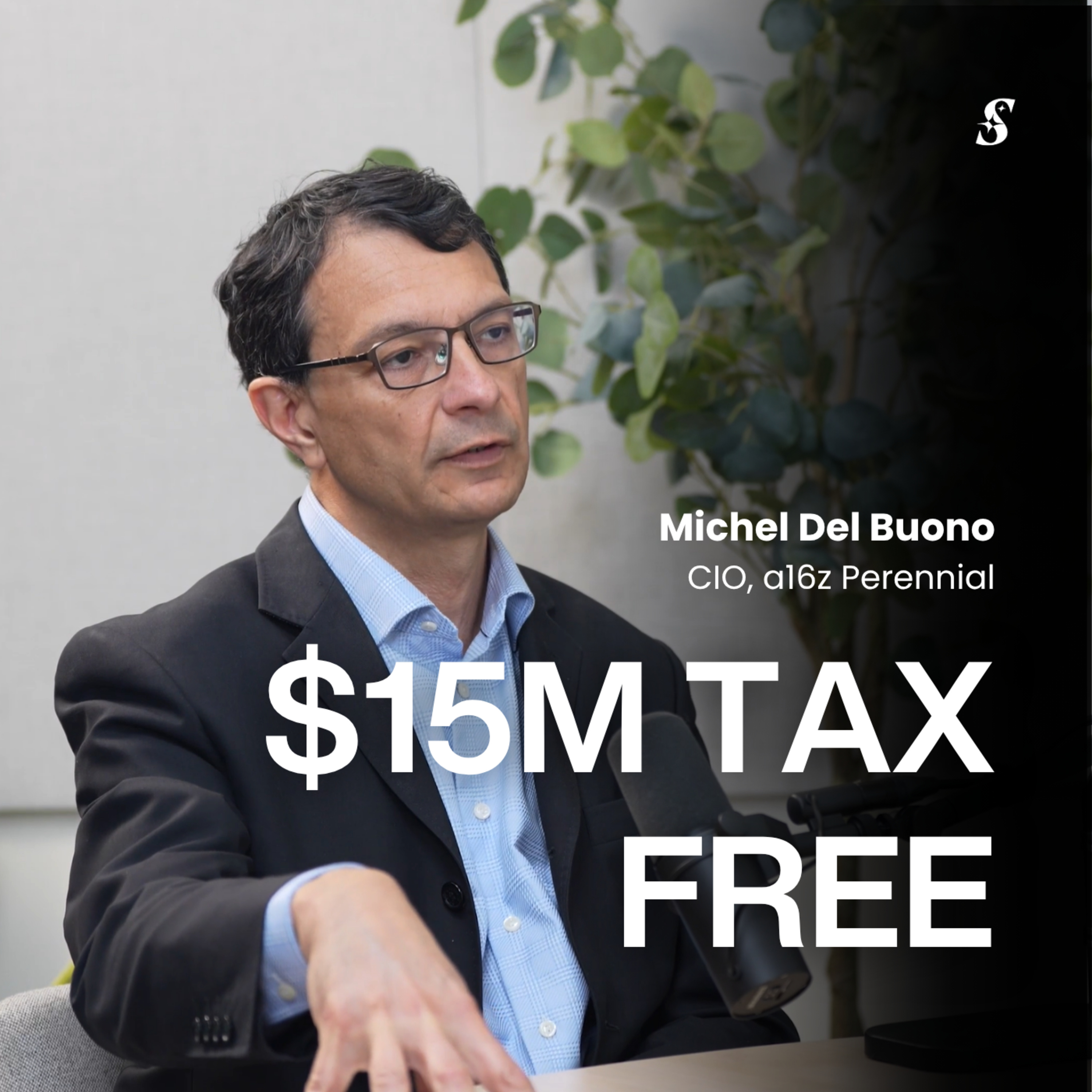
Founders can create multiple trusts for various family members, with each trust potentially qualifying for its own Qualified Small Business Stock (QSBS) exemption. This "stacking" strategy significantly increases the amount of tax-free proceeds from a stock sale beyond the typical individual limit.
Related Insights
Selling 100% of a company isn't the only exit. Founders can take "multiple bites of the apple" by selling a majority stake but retaining significant shares. This allows them to benefit from future sales or an IPO under new ownership.

The most powerful incentive for increasing employee ownership is to make founder exits to their employees tax-free. This aligns financial self-interest with a social good, making it more profitable for a founder to sell to their team than to private equity.

An acquirer often prefers an asset purchase to avoid taking on a company's liabilities. However, a founder with a C-Corp can signal they will only accept a stock purchase agreement to gain the massive tax benefits from QSBS, creating powerful negotiating leverage.

The primary roadblock in pre-liquidity planning isn't legal complexity but founders' indecision on personal values like inheritance. Failing to define "who gets what and when" paralyzes the process, causing them to miss crucial tax optimization windows before a liquidity event.
For founders considering QSBS tax benefits, which require a stock sale, the transition from asset to stock purchases in SaaS acquisitions commonly occurs around $1M ARR or a $5 million exit price. Below this threshold, the legal costs of a stock purchase often outweigh the benefits, making asset sales more common.
The potential for a massive tax-free exit under the Qualified Small Business Stock (QSBS) rule often outweighs the short-term pain of double taxation from a C-Corp structure, especially for founders targeting a multi-million dollar sale.
Beyond charity, private family foundations act as powerful wealth-building vehicles. Assets like stocks and real estate can appreciate and be sold inside the foundation with zero capital gains tax. Furthermore, only 5% of assets must be donated annually, and family members can be hired, shifting income to lower tax brackets.

The stated value of an estate tax exemption (e.g., $30 million) is misleading. An asset valued at $1 million when placed in an estate can appreciate tax-free for decades, potentially growing to hundreds of millions by the time it's inherited, all passing to heirs without being taxed.
The Qualified Small Business Stock (QSBS) rule allows for up to $10 million in tax-free gains per investment. For Limited Partners in a seed fund, their distributed gains from a single successful company are often below this cap, making their entire return tax-free and juicing net performance.

Attorneys advocate for trusts while asset managers push tax-loss harvesting, but neither typically understands the other's domain. This creates a critical gap where founders lack a multidisciplinary view to effectively trade off these complex strategies, often leading to suboptimal financial outcomes.