Get your free personalized podcast brief
We scan new podcasts and send you the top 5 insights daily.
Anti Fund's first LPs were a16z's Marc Andreessen and Chris Dixon. Their early investment provided more than capital; it gave the new fund managers the critical confidence and industry validation to move forward, highlighting a key role established VCs play in nurturing the ecosystem.

Related Insights
When raising a first fund, you sell a future vision. To make this tangible, OMX Ventures leveraged founders they had previously supported. These founders served not only as powerful references but also became Limited Partners (LPs) in the new fund, providing the ultimate validation of the VC's value-add and building a loyal capital base.

A16z's foundational belief is that founders, not hired "professional CEOs," should lead their companies long-term. The firm is structured as a network of specialists to provide founders with the knowledge and connections they lack, enabling them to grow into the CEO role and succeed.

Instead of picking individual seed deals, USVC invests in top seed-stage fund managers. It then positions itself as the go-to capital partner for those managers' larger, later-stage follow-on rounds, creating a scalable and proprietary deal pipeline.

To compete with established VCs who relied on historical reputation, a16z focused on creating a superior 'product' for entrepreneurs. They designed their firm to provide founders with the brand, power, and access needed to become successful CEOs, a departure from the traditional VC model.
To launch a high-risk crypto fund, Chris Dixon proactively met with LPs. He presented not only the investment thesis but also an "anti-pitch" outlining all potential downsides. This ensured participating LPs were fully aligned and opted-in knowingly, managing expectations for the volatile asset class.
The initial capital for a new fund-of-funds doesn't come from cold outreach to institutions. The process mirrors an emerging VC's first fundraise, relying on a personal network of operators, VCs, and high-net-worth individuals who already believe in the founder. The strategy is to work the existing network outward, not pitch institutions from day one.

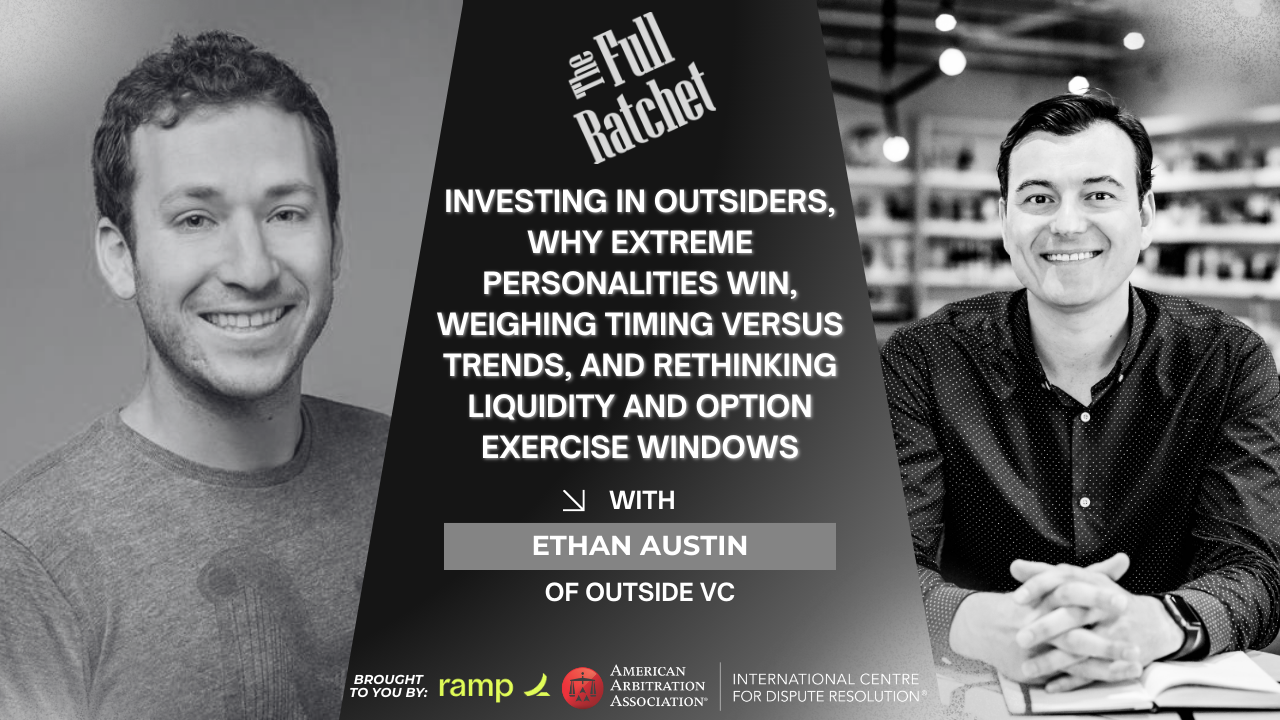
While investing last in a round is less risky, Outside VC's Ethan Austin favors being the first investor. This 'first believer' position allows the firm to have a more significant impact on the company's direction and development, which he finds more rewarding.

A clever strategy for first-time fund managers is to raise smaller checks from a large number of operators and domain experts. While harder to execute, this turns the LP base into a powerful, built-in expert network for diligence and support, converting a fundraising challenge into a strategic asset.
In a market where capital is a commodity, early-stage founders prioritize VCs who provide an immediate, tangible edge. The most valuable contributions are warm introductions to land first customers, network access to secure the next round of funding, and unfiltered feedback from experienced operators.

To break into the VC oligopoly, Andreessen Horowitz differentiated itself by building a firm as a "product" for entrepreneurs. They focused on providing the network, knowledge, and support founders needed to become CEOs, a service incumbent VCs were not structured to offer.
![Ben Horowitz - Backing America’s Future - [Invest Like the Best, EP.457] thumbnail](https://megaphone.imgix.net/podcasts/9505619a-009e-11f1-869d-c7d5bc43b194/image/83257eb514e1fd42513d2e46eeb4e9dd.jpg?ixlib=rails-4.3.1&max-w=3000&max-h=3000&fit=crop&auto=format,compress)