Get your free personalized podcast brief
We scan new podcasts and send you the top 5 insights daily.
Novo priced the maintenance dose of its oral Wegovy pill far lower than anticipated. This aggressive strategy, costing less than the average U.S. monthly grocery bill (~$400), is a direct attempt to regain momentum from rival Eli Lilly and expand the self-pay market before more oral competitors launch.
Related Insights
The weight-loss drug market is a duopoly, not a monopoly, because companies cannot patent the underlying biological mechanism (mimicking GLP-1). Instead, Novo Nordisk and Eli Lilly patented distinct molecules that achieve a similar outcome, allowing both to compete directly.

By negotiating prices down from over $1,000 to as low as $150 per month, the government deal fundamentally shifts Ozempic's market position. It is no longer a high-end luxury akin to plastic surgery but an accessible wellness product comparable to a fancy gym membership, dramatically expanding its addressable market.

Despite its first-mover advantage, Novo Nordisk lost its lead in the weight-loss drug market by failing to recognize its consumer-driven nature. While it planned a traditional pharma launch, competitor Eli Lilly adopted a direct-to-consumer model, treating the drug like an e-commerce product and capturing the market.

The GLP-1 drug revolution is moving beyond weekly injections for wealthy markets. Upcoming pill-form versions will eliminate the need for refrigerated supply chains, opening up distribution in developing countries. Combined with expiring patents, this focus on form factor and cost will enable mass global adoption.

To fix the R&D funding imbalance, the CEO proposes a 'one fair price' system. A drug would have one US price with no rebates, and a price in other developed nations would be indexed to their GDP per capita.
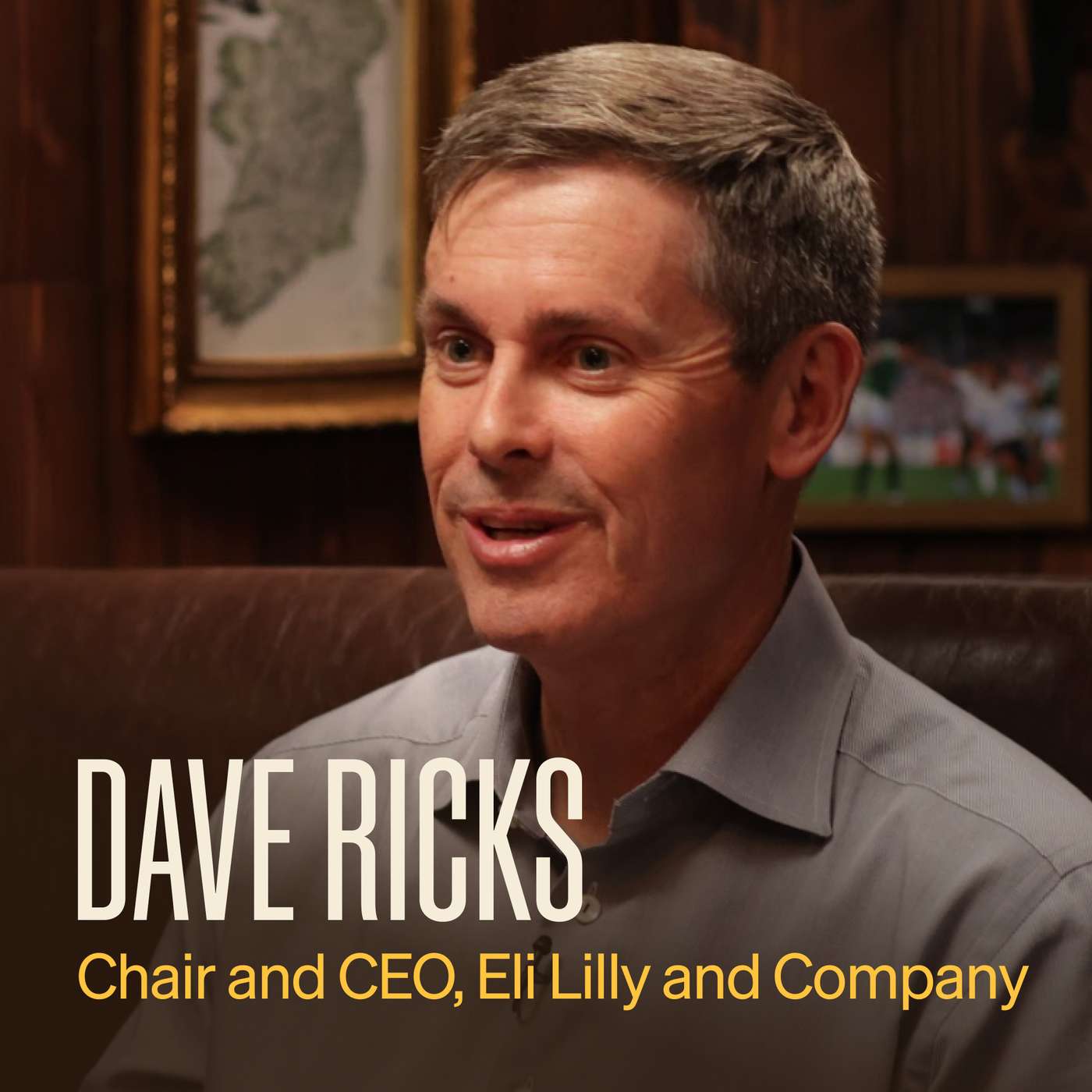
To commercialize curative 'one-and-done' genetic medicines, Eli Lilly is considering a subscription-like model. The procedure could be free upfront, with patients or insurers paying an ongoing fee only as long as it works.
Instead of setting prices at launch and letting them erode, Novonesis implemented a discipline of having annual conversations about the value their products deliver. This shifted pricing from a 1-2% annual erosion to a 1-2% revenue growth contributor.
To solve the insulin price bubble, Eli Lilly launched its own low-list-price biosimilar. However, insurers and PBMs initially refused to cover it because its low price and small rebate threatened their lucrative business model.
Despite being a pill, oral Wegovy requires an empty stomach, only 4oz of water, and a 30-minute post-dose fast. This difficult regimen is a major impediment to its uptake, particularly in the U.S. where patients prioritize the maximum efficacy of injectables over the supposed convenience of a cumbersome pill.
Widespread obesity costs the U.S. hundreds of billions annually. A federal program to negotiate and subsidize GLP-1 drugs to a low monthly cost would be an incredibly effective investment, yielding massive returns in improved public health, productivity, and reduced healthcare spending.
