Get your free personalized podcast brief
We scan new podcasts and send you the top 5 insights daily.
The U.S. faces a massive debt problem with only two politically tenable exits: massive economic growth fueled by AI, or devaluing the debt through inflation. With the AI boom proving slower than hoped, the government is being forced down the path of inflation, using covert methods to avoid public backlash against austerity or default.

Related Insights
Instead of a transparent default, the U.S. government's strategy is to devalue its debt by keeping interest rates below inflation. This policy, known as 'financial repression,' erodes the real value of the dollar, effectively transferring wealth from savers and bondholders to the government to pay down its massive debt.

The ability of Western governments to manage their enormous public debt levels is now implicitly dependent on the hope that AI will generate a massive, sustained productivity boom. If AI fails to deliver this unprecedented growth, a widespread fiscal crisis becomes a serious risk.

There is no plan to truly pay off America's debt. The actual strategy is to use the invisible tax of inflation to transfer the debt's burden onto citizens who don't understand monetary policy. Those who hold cash and lack hard assets will unknowingly finance the government's deficit by losing their purchasing power over time.
Governments with massive debt cannot afford to keep interest rates high, as refinancing becomes prohibitively expensive. This forces central banks to lower rates and print money, even when it fuels asset bubbles. The only exits are an unprecedented productivity boom (like from AI) or a devastating economic collapse.

In a world of high debt and low organic growth (from demographics and productivity), the only viable path for governments is to ensure nominal GDP grows. This will likely be achieved through inflationary policies, making official low-inflation forecasts unreliable over the long term.
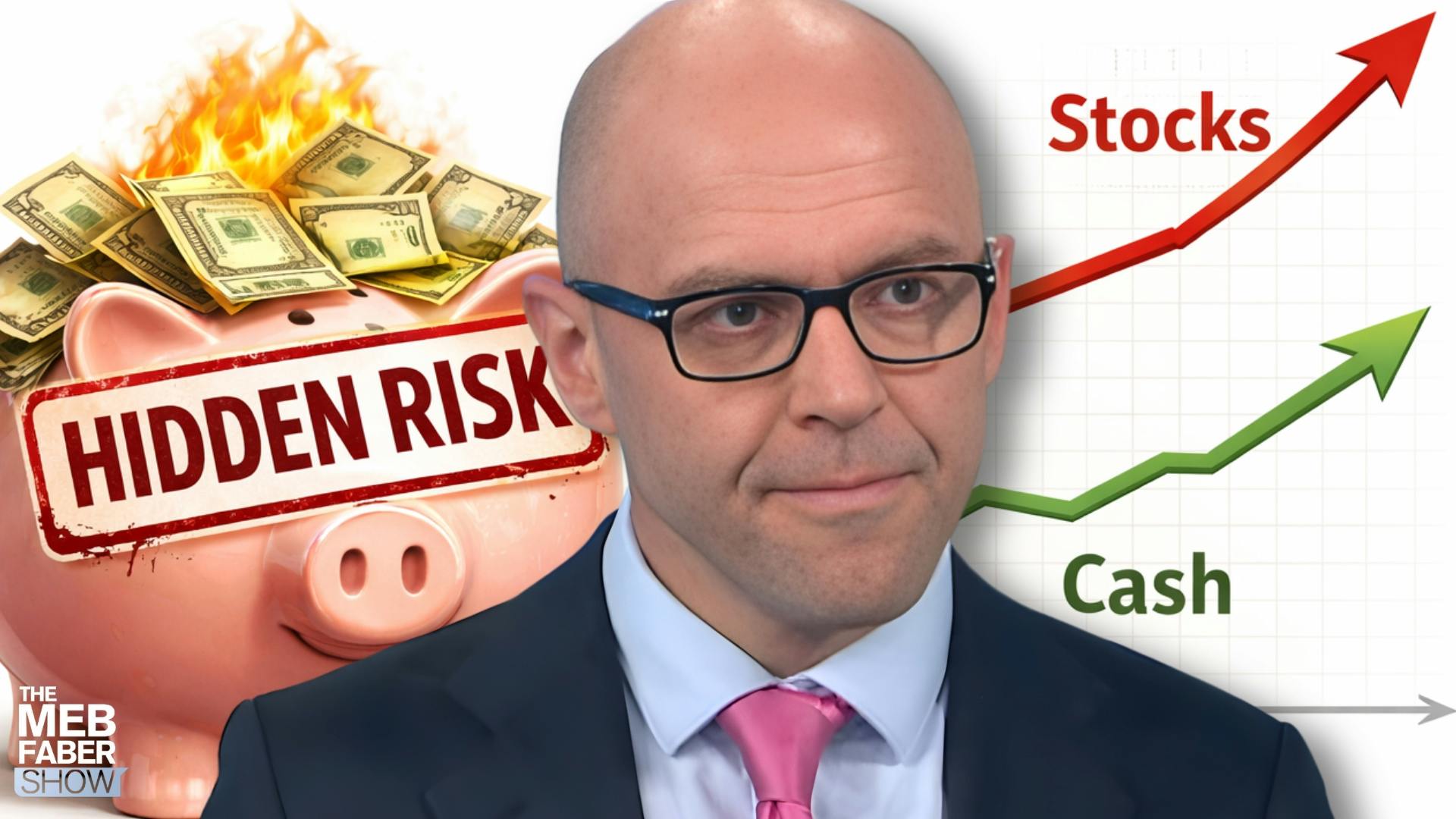
With debt-to-GDP at 130%, the implicit policy is to use inflation to devalue the debt burden. This is becoming explicit, with proposals like using tariff money for direct stimulus checks. This strategy favors risk assets and creates a 'full on euphoria tech bubble' if real yields go negative again.

The US can grow its way out of its mounting fiscal problems through AI-driven productivity. This creates real growth without wage inflation, expands the corporate tax base, and offsets a poor demographic outlook. This is the most viable path for the US to avoid a fiscal cliff.

Tyler Cowen predicts the US will eventually resort to several years of ~7% inflation to manage its national debt. This strategy, while damaging to living standards, is politically more palatable than raising taxes or cutting spending. Rapid, AI-driven productivity growth is the only plausible alternative to this outcome.

The Fed is cutting rates despite strong growth and inflation, signaling a new policy goal: generating nominal GDP growth to de-lever the government's massive, wartime-level debt. This prioritizes servicing government debt over traditional inflation and employment mandates, effectively creating a third mandate.

Elon Musk argues that the only solution to the US debt crisis is the massive increase in goods and services from AI and robotics. He predicts this productivity boom will outpace money supply growth within three years, leading to significant deflation.
