Get your free personalized podcast brief
We scan new podcasts and send you the top 5 insights daily.
Despite technological advancements, the formula for a blockbuster hit remains timeless. The success of movies like Spider-Man demonstrates that well-executed, emotionally resonant stories that connect with audiences on a human level are more critical than brand recognition or special effects alone.

Related Insights
Data from "The Odyssey's" opening weekend shows that 53% of attendees cited the director as their primary reason for seeing the film. This indicates a market shift where a director's brand can be a more powerful draw than established intellectual property or star actors.

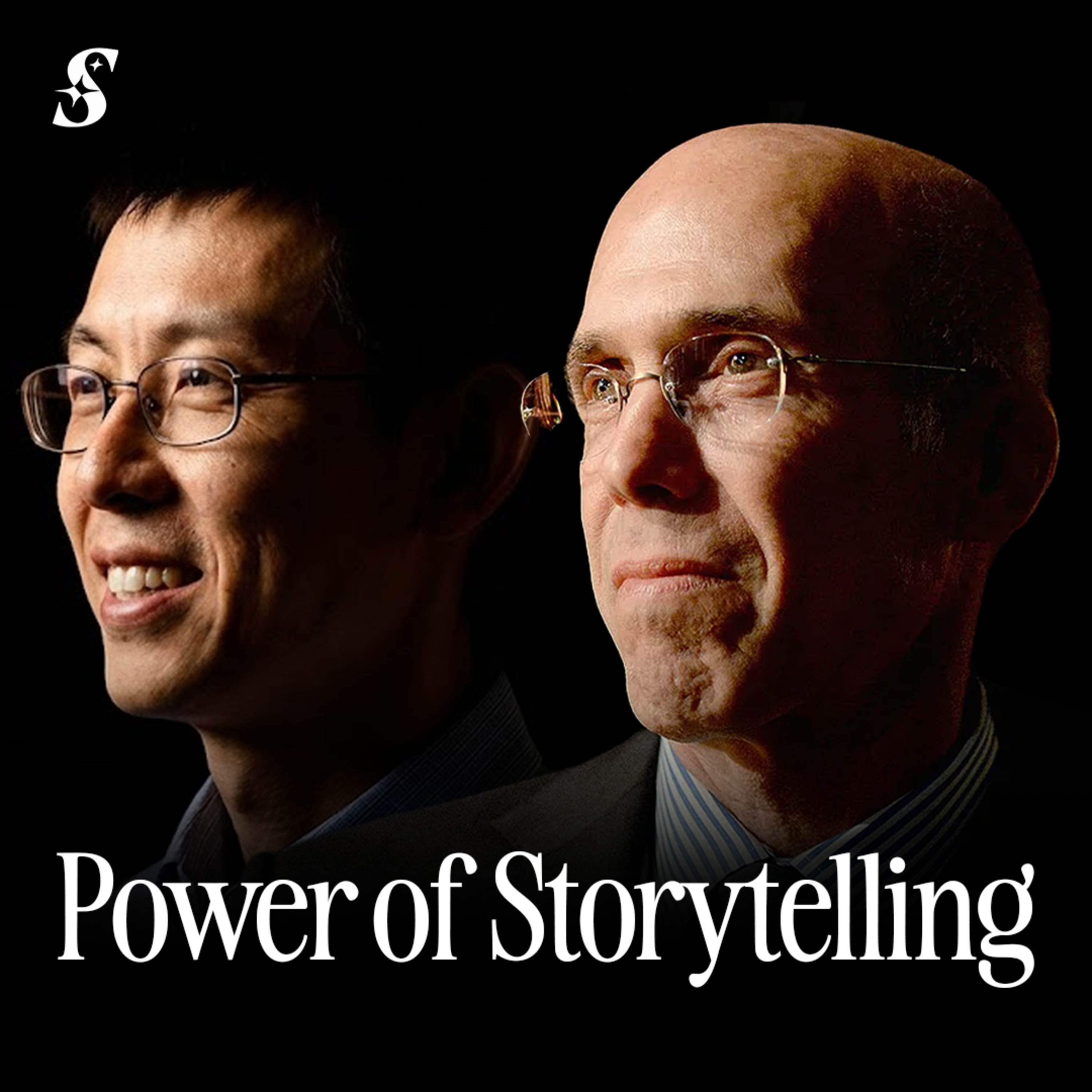
DreamWorks co-founder Jeffrey Katzenberg argues that successful businesses are built on compelling narratives. Storytelling is essential for recruiting top talent, securing investment, and acquiring customers, making it a foundational skill for any leader, not just a creative department's job.
An American film's success in China increasingly depends on deep cultural resonance. Zootopia's plot about a character moving from the country to the big city mirrored the real-life dream of a billion Chinese citizens. This relatable narrative, rather than just action, was the key to its massive box office outperformance.

The Sony-Marvel deal for Spider-Man wasn't driven by hack-related pressure. It was a strategic creative decision to solve "origin story" fatigue after multiple reboots. By introducing Spider-Man into the established Marvel Universe, Sony could tap into a massive new audience and refresh the character without retelling his backstory again.

The success of "The Odyssey" proves directors can be franchises. With 53% of attendees citing Christopher Nolan as their primary reason for seeing the film, it signals a market shift. Audiences, especially Gen Z, are tired of aging IP and are instead drawn to filmmakers with an authentic, singular vision.
Gary Vee argues that legendary brands like Marvel thrive because fans love characters like Batman, not their creators like Bob Kane. This principle guides his VeeFriends strategy, focusing on building a universe of characters with rich stories as the foundation for long-term value and brand loyalty.

Major studios keep iterating on old IP like Toy Story. While profitable, this strategy fails to capture Gen Z, who crave new stories made for their generation and are turning to creator-led films instead. They see legacy franchises as their parents' hand-me-downs.

The strong performance of movies like "Devil Wears Prada" signals a market demand for high-quality, human-driven stories. At a time when AI-generated content is proliferating, these successes show that audiences value and will pay for beautifully told narratives that don't feel "cooked" by algorithms.

The box office success of films like 'Project Hail Mary' indicates a broader trend. Viewers are drawn to stories that acknowledge overwhelming, world-ending threats—reflecting contemporary anxieties—but find resolution and appeal through themes of hope and personal connection, such as an unlikely friendship.

The story of an underdog rising against the odds is powerful because everyone subjectively views themselves as one. Even the most powerful people are locked in their own perspective, wanting more and fighting limitations. Tapping into this universal feeling creates an immediate, relatable connection.
![Wolfgang Hammer - The Power of Story - [Invest Like the Best, EP.447] thumbnail](https://megaphone.imgix.net/podcasts/adaa55e4-bead-11f0-a5d6-a799713dc0a0/image/a76713c3a8fb2abf443f9164703734c5.jpg?ixlib=rails-4.3.1&max-w=3000&max-h=3000&fit=crop&auto=format,compress)