Get your free personalized podcast brief
We scan new podcasts and send you the top 5 insights daily.
Razer's strategy of taking paid reservations for 'concept' products like Project Eva creates commercial commitment before critical features, specs, and safety protocols are finalized. This blurs the line between market testing and an actual product launch, managing expectations through ambiguity.

Related Insights
A product launch isn't merely a release date; it's a strategic, coordinated campaign. Its primary goal is to change the market's perception, generate demand, and create momentum across the entire funnel, moving beyond a simple product announcement.

Before committing engineering resources, Ather's product team creates a high-quality ad film for a new concept. They then host a full internal launch event, complete with mock media Q&A, to sell the vision to the whole company and create internal accountability before building begins.

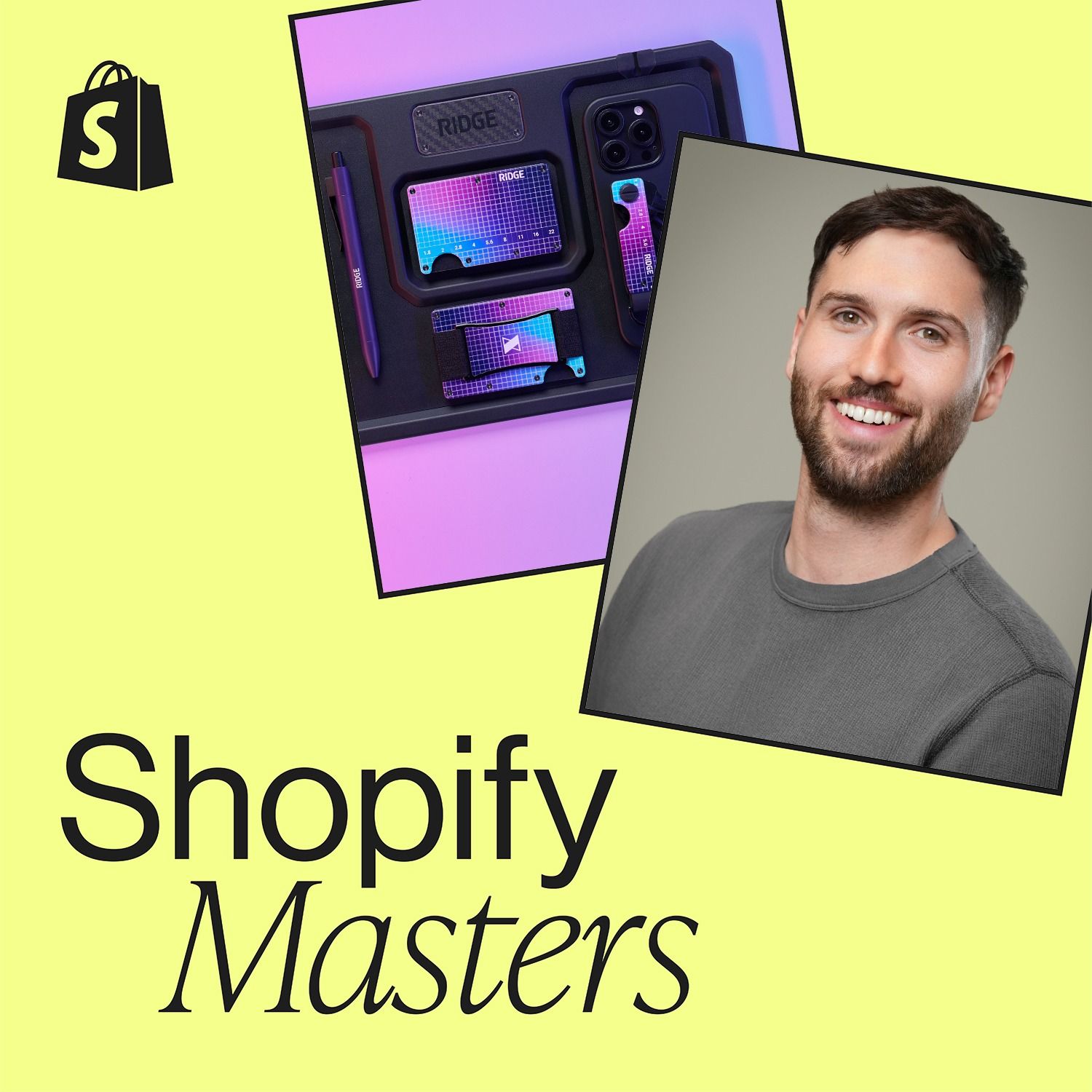
Instead of fearing failure, Ridge institutionalizes it by allocating a $1M annual budget specifically for testing new product expansions. This removes pressure from any single launch, encourages aggressive experimentation, and has led to eight-figure successes alongside predictable flops like watches.
Product teams often fear showing prototypes because strong customer demand creates pressure. This mindset is flawed. Having customers eager to buy an unbuilt feature is a high-quality signal that validates your roadmap and is the best problem a product manager can have.

Razer's product development eschews financial projections for a simple, passion-driven metric. A concept becomes a product if the internal team thinks it's cool and wants to use it themselves, fostering a culture of building genuinely desirable items.
Don't build a perfect, feature-complete product for the mass market from day one. It's too expensive and risky. Instead, deliver a beta to innovator customers who are willing to go on the journey with you. Their feedback provides crucial signals for a more strategic, measured rollout.

To launch new products and compete with agile startups, embed a small "incubation seller" team directly within the technology organization. This model ensures tight alignment between product, engineering, and the first revenue-generating efforts, mirroring the cross-functional approach of an early-stage company.

Boom Supersonic secured non-binding Letters of Intent (LOIs) from major airlines early. This demonstrated market demand was crucial for convincing suppliers and investors to commit the significant capital needed for development, turning customer interest into a financing tool.

For an established brand like Razer, major trade shows are less about gaining new attention and more about reinforcing community tradition, connecting with partners, and gathering direct feedback on experimental concepts before committing to a full product launch.
Validate market demand by securing payment from customers before investing significant resources in building anything. This applies to software, hardware, and services, completely eliminating the risk of creating something nobody wants to buy.
