Get your free personalized podcast brief
We scan new podcasts and send you the top 5 insights daily.
Kareem Amin rejects the standard practice of weekly 1-on-1s with all direct reports. Instead, he holds them with individuals, regardless of reporting lines, who are central to the company's most important current initiatives (e.g., Head of Sales during a growth push). This aligns CEO time with strategic imperatives, not org charts.

Related Insights
Countering the "get out of the way" mantra, Turing's CEO argues leaders must stay close to the details. He emulates a strategy of identifying the single most critical problem each week and working hands-on with the relevant team to unblock it, rather than operating through layers.

Alex Bouaziz eschews traditional management structures like weekly 1-on-1s and performance reviews for his 20+ direct reports. Instead, he relies on a continuous, high-frequency feedback loop through daily, informal communication. His role is to enable his leaders by constantly asking what's broken and how he can help, rather than following a rigid cadence.

Believing traditional weekly 1-on-1s are inefficient and repetitive, V0's leader eliminated them. He favors discussing shared topics in group settings (like a Slack huddle) and reserves direct 1-on-1 time for specific situations like onboarding, rather than a fixed weekly cadence.

Goldcast's CMO structures her week to serve her team: a strategic leadership sync, 1-on-1s framed as "how can I help remove blockers?", and no-agenda skip-level meetings to gather unfiltered feedback. This leadership model prioritizes enabling the team over top-down status updates.

Inspired by Jensen Huang, CEO Nikesh Arora expanded his staff meeting from 8 to 25 people. This bypasses a layer of management filtering, ensuring more leaders hear the strategic "why" directly, reducing confusion and improving alignment down the organization.

As leaders rise, direct reports are less likely to provide challenging feedback, creating an executive bubble. To get unfiltered information, leaders should schedule regular one-on-ones with employees several levels down the org chart with the express purpose of listening, not dictating.
To maintain velocity, Clay avoids scheduled executive team meetings, which can become a bottleneck. Instead, leadership operates on an "open space" policy where issues are raised and resolved as they happen. This "just-in-time" approach prevents problems from being delayed until a formal meeting slot.
Instead of focusing on hot areas, the CEO's primary role is to find parts of the company where momentum is slowing. By identifying and greasing these sticky points, they can get the entire organization moving again, as the high-momentum areas often don't need CEO intervention.
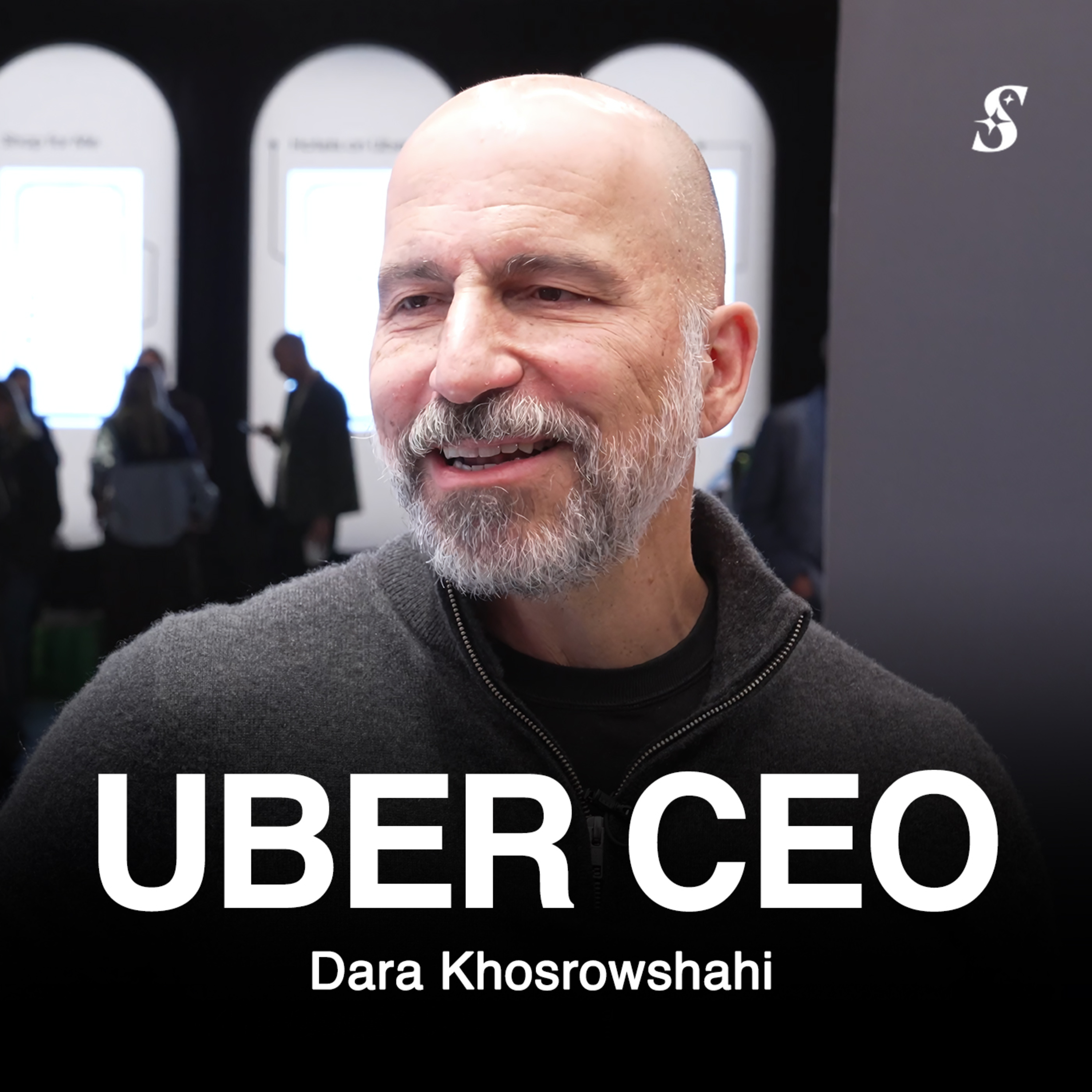
To avoid the filtered information that often reaches the C-suite, Dara Khosrowshahi deliberately bypasses management layers. He holds "no decks" jam sessions with engineers and product managers 2-4 levels down, speaking candidly to encourage honest feedback and get a real understanding of the company's challenges.
Jensen Huang maintains an extremely flat organization with around 60 direct reports and no one-on-one meetings. This unconventional structure is designed to accelerate information travel, empower senior leaders, and weed out those who can't operate without direct guidance.
