Get your free personalized podcast brief
We scan new podcasts and send you the top 5 insights daily.
A key future goal in GI oncology is for systemic drugs to become so effective in early disease stages that they diminish or eliminate the need for surgery and radiation. This would spare patients from life-changing procedures like organ removal for gastric, rectal, and pancreatic cancers.

Related Insights
Direxonrasib is showing unprecedented response rates (e.g., 47% in frontline) for metastatic pancreatic cancer, a historically difficult-to-treat disease. This high performance prompts comparisons to the targeted therapy successes seen in lung cancer, signaling a potential paradigm shift in treatment expectations for PDAC.
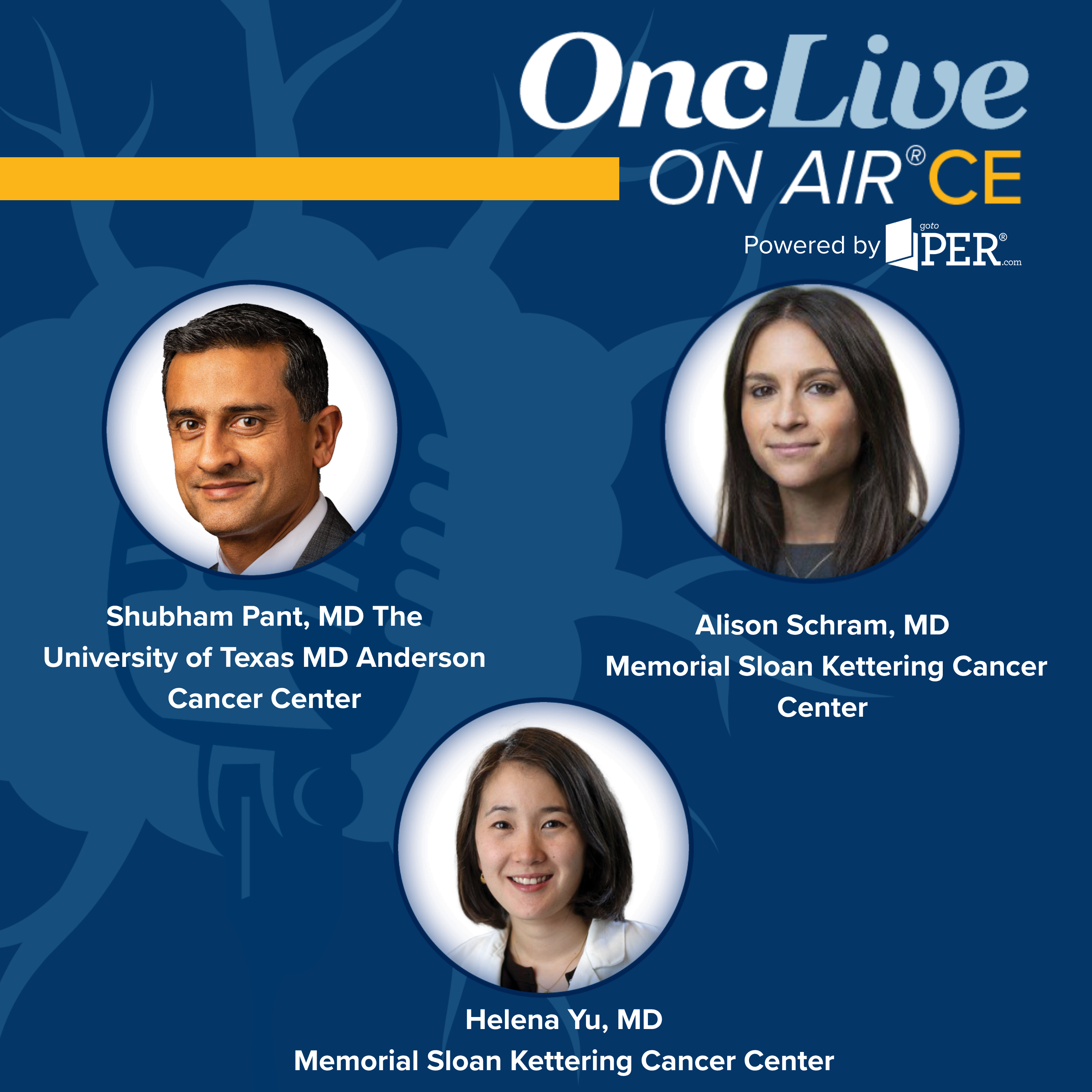
An expert argues the path to curing metastatic cancer may mirror pediatric ALL's history: combining all highly active drugs upfront. Instead of sequencing treatments after failure, the focus should be on powerful initial regimens that eradicate cancer, even if it means higher initial toxicity.

Given that standard therapies for metastatic pancreatic cancer are not curative, leading oncologists argue that clinical trials should be the primary consideration for all eligible patients. Standard chemotherapy regimens are viewed as fallback options. This approach frames trials as the best path to advancing care, not an experimental last resort.
Major trials in prostate (PEACE-2), bladder (Keynote B15), and kidney cancer (LITESPARK-022) showcase a common strategy: moving potent systemic therapies into earlier, curative-intent settings. This approach of using the best drugs sooner aims to improve long-term outcomes, though it also raises questions about toxicity and overtreatment.
New targeted therapies like Zanidatamab and Zolbetuximab show great promise but cause significant side effects like diarrhea and nausea. Their successful clinical adoption hinges on proactive management using detailed guidelines and prophylactic medications, as toxicity can be severe enough to force treatment discontinuation despite the drug's efficacy.
Contrary to concerns about over-complicating treatment, experts advocate for fragmenting gastric cancer even further. The goal is to treat each molecularly defined subset as its own distinct disease, which requires deeper understanding and more targeted approaches rather than broad simplification.
With highly effective neoadjuvant therapies now available, the surgeon's role in muscle-invasive bladder cancer is evolving. They are moving from being the primary decider and treater to being a key manager of a 'perioperative bundle,' where their first goal is often to get patients to medical oncology for systemic treatment.
The KIDO 905 trial revealed high rates of adverse events even in the control arm receiving only surgery. This suggests the invasive procedure itself is a major source of patient harm, paving the way for future surgery-free regimens if systemic treatments like EVP prove sufficiently effective.
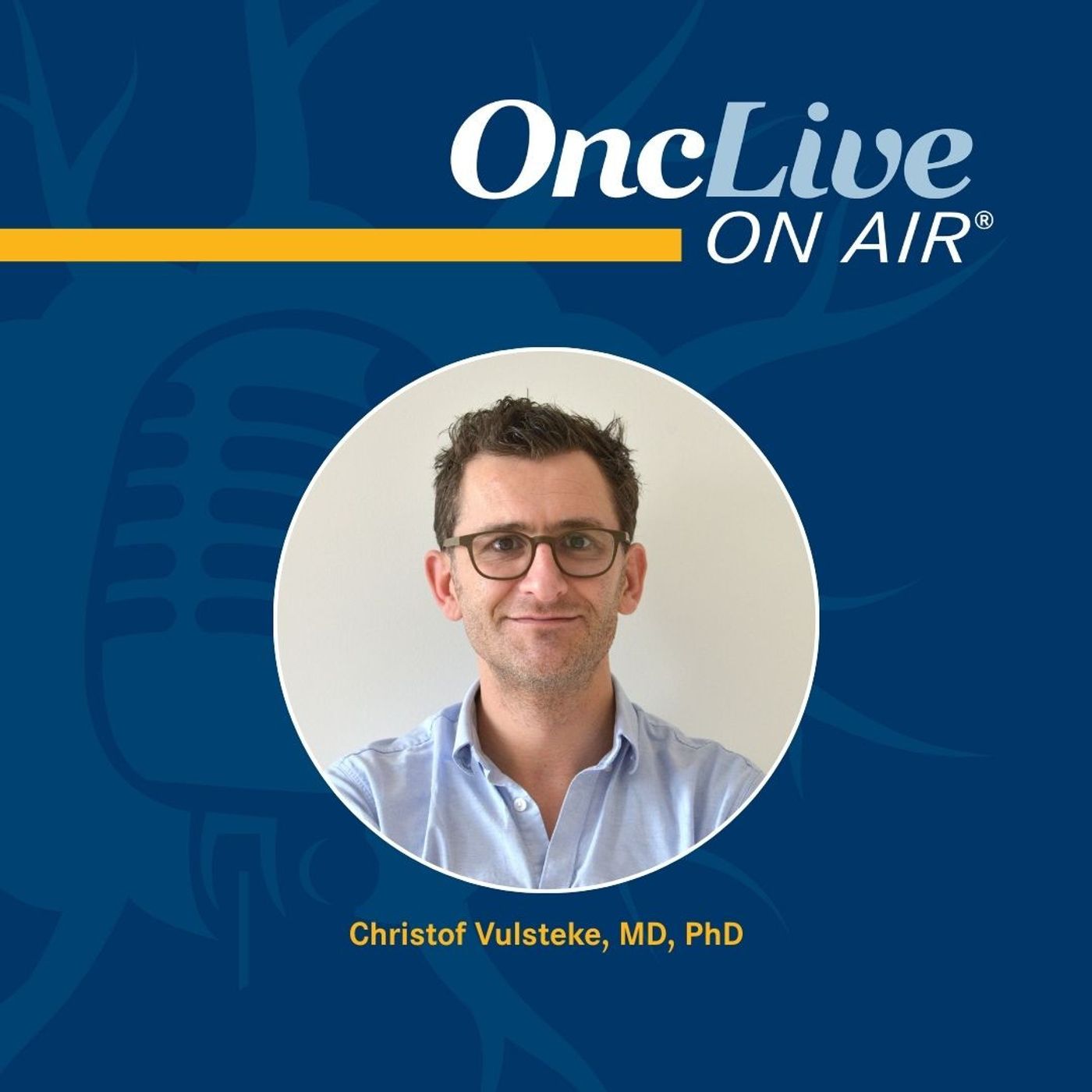
Dr. Radvanyi advocates for a paradigm shift: treating almost all cancers with neoadjuvant immunotherapy immediately after diagnosis. This "kickstarts" an immune response before standard treatments like surgery and chemotherapy, which are known to be immunosuppressive, can weaken the patient's natural defenses against the tumor.

The success of new treatments like immunotherapy and ADCs leads to more patients achieving a deep response. This high efficacy makes patients question the necessity of a radical cystectomy, a life-altering surgery, creating an urgent need for data-driven, bladder-sparing protocols.
