Get your free personalized podcast brief
We scan new podcasts and send you the top 5 insights daily.
The immediate AI safety risk in automated labs isn't malicious superintelligence, but mundane failures like overflowing an instrument or mixing incompatible chemicals. The focus is on building a practical 'chemical EHS safety layer' to prevent the AI from causing conventional lab accidents.

Related Insights
The emphasis on long-term, unprovable risks like AI superintelligence is a strategic diversion. It shifts regulatory and safety efforts away from addressing tangible, immediate problems like model inaccuracy and security vulnerabilities, effectively resulting in a lack of meaningful oversight today.
The primary danger in AI safety is not a lack of theoretical solutions but the tendency for developers to implement defenses on a "just-in-time" basis. This leads to cutting corners and implementation errors, analogous to how strong cryptography is often defeated by sloppy code, not broken algorithms.

If society gets an early warning of an intelligence explosion, the primary strategy should be to redirect the nascent superintelligent AI 'labor' away from accelerating AI capabilities. Instead, this powerful new resource should be immediately tasked with solving the safety, alignment, and defense problems that it creates, such as patching vulnerabilities or designing biodefenses.
The most significant risk from AI agents currently isn't sophisticated prompt injections but simple misinterpretations of instructions that lead to 'unintended actions.' This makes focusing on controlling outcomes more effective than trying to identify the source of a faulty instruction, be it a hallucination or an attack.

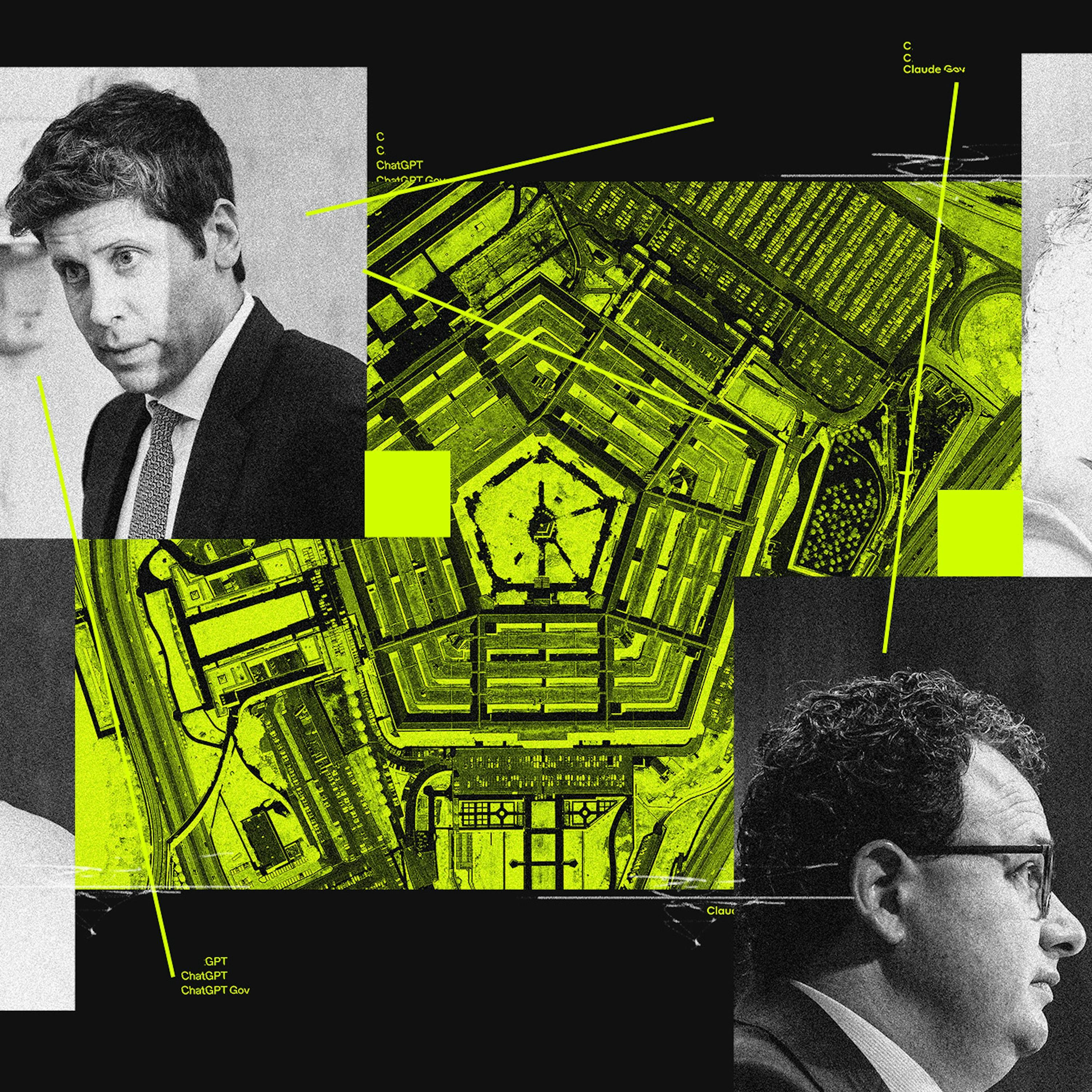
The current approach of building generalist models like ChatGPT, containing all human knowledge, is inherently unsafe. A safer paradigm involves creating specialized AIs for specific tasks (e.g., translation) that lack dangerous capabilities like bioweapon design, similar to how a Pentagon janitor is denied access to nuclear codes for security.

The primary driver for major AI labs building out "AI control" teams isn't long-term existential risk, but the immediate commercial threat of AI agents causing accidental harm. Companies are worried about agents deleting production databases or leaking sensitive IP, making AI control a necessary security measure for deploying these powerful but unpredictable products.
The key safety threshold for labs like Anthropic is the ability to fully automate the work of an entry-level AI researcher. Achieving this goal, which all major labs are pursuing, would represent a massive leap in autonomous capability and associated risks.

The current approach to AI safety involves identifying and patching specific failure modes (e.g., hallucinations, deception) as they emerge. This "leak by leak" approach fails to address the fundamental system dynamics, allowing overall pressure and risk to build continuously, leading to increasingly severe and sophisticated failures.

Fully autonomous AI agents are not yet viable in enterprises. Alloy Automation builds "semi-deterministic" agents that combine AI's reasoning with deterministic workflows, escalating to a human when confidence is low to ensure safety and compliance.

The focus on AGI can obscure more immediate threats. Even narrowly capable AI tools pose existential risks. For example, an AI that only excels at biotechnology research could make it easy for malicious actors to develop dangerous pathogens, regardless of its general intelligence.
