Get your free personalized podcast brief
We scan new podcasts and send you the top 5 insights daily.
Nike's quickly sold-out shoe is less about revenue and more about signaling a pivot to novelty and R&D. This "shock and awe" strategy, which includes a self-inflating jacket, aims to awe consumers and shock competitors, countering the narrative that culture has hit "peak sneaker."
Related Insights
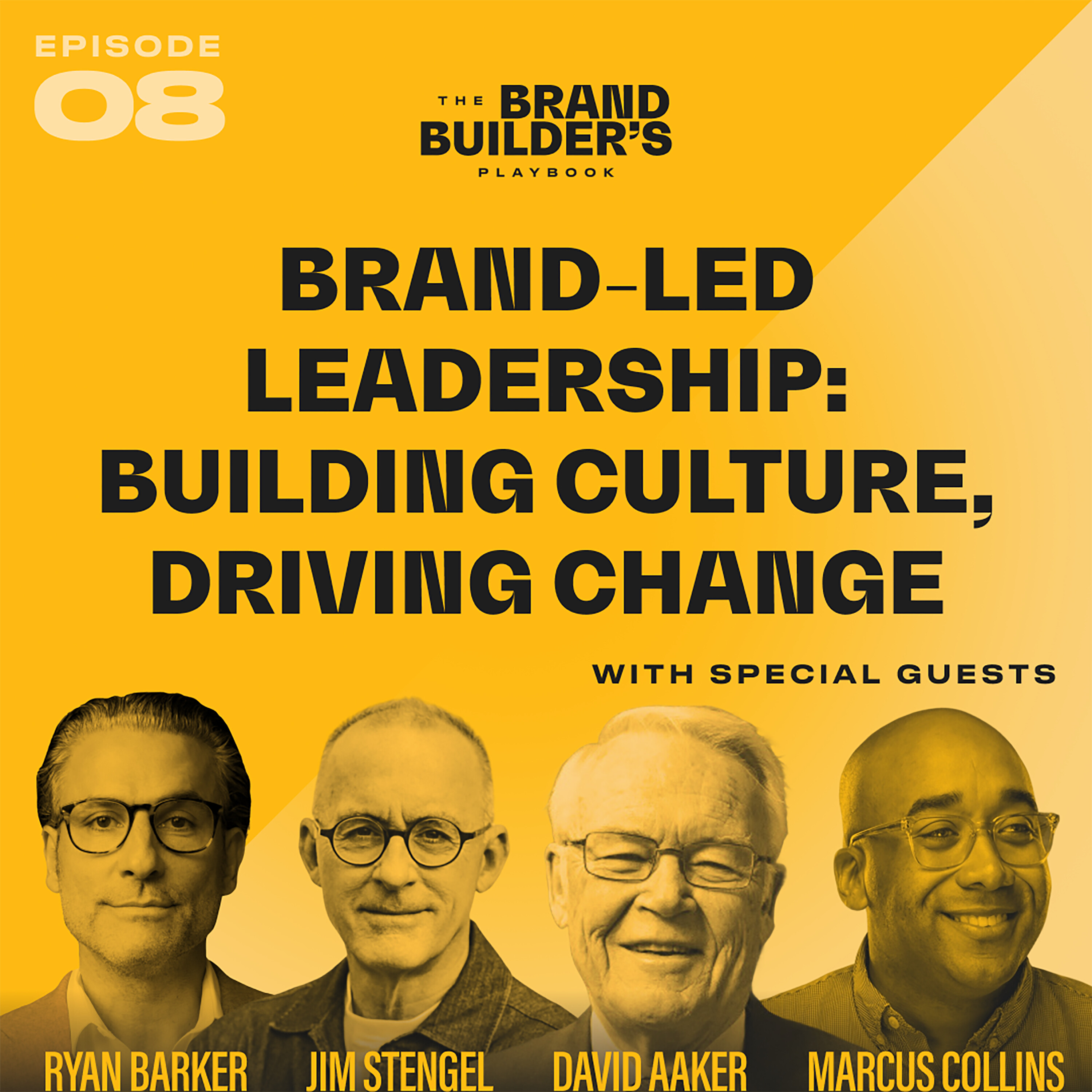
Marcus Collins explains that brands limited to their product (e.g., toothpaste) have little to talk about. However, a brand with a broader ideology (like Nike's belief that "Every human body is an athlete") gains entry and authority to engage in wider cultural discourse, creating significant energy and relevance.
A coach's criticism about athletes training barefoot—a threat to a shoe company—sparked an "aha moment." Instead of dismissing it, Nike innovated by creating a shoe that replicated the benefits of barefoot running, thereby capturing the user's intent and creating a new product category.

For Nike's innovators, the ultimate measure of success isn't market performance but the user's genuine joy upon experiencing the product. This "athlete's smile" confirms that a meaningful problem has been solved, serving as a leading indicator that commercial success will naturally follow.
Starbucks' limited-edition items, like a "bearista" cup selling for $500 on eBay, create massive hype through engineered scarcity. This strategy shows that for certain brands, limited-run physical goods can be a more potent marketing tool than the core product itself, fostering a collector's frenzy and a lucrative secondary market.

After a period of stagnation, Nike unveiled three futuristic products. While not immediately commercial, these "moonshots" serve to re-establish its innovation leadership, justify massive R&D spending, and create a brand halo that smaller competitors like On and Brooks cannot replicate.
Just as red socks make a suit stand out, businesses can differentiate with a single, unique, and even controversial feature. This 'red sock'—like Aritzia's mirrorless rooms or Chick-fil-A's Sunday closures—makes a brand memorable, for better or worse, in a crowded market.
To stand out in a "sea of sameness," the brand approaches its strategy like an entertainment programmer. Limited-edition celebrity collaborations with talent like Travis Kelce act as exciting "plot twists" that create urgency and a jolt of energy beyond the core product line.

To combat new competitors, iconic brands can create immersive hospitality experiences. A Nike-branded fitness resort would be a powerful PR move to demonstrate cutting-edge performance and re-engage a skeptical public, serving as the ultimate expression of the brand and allowing customers to experience its identity firsthand.
Instead of competing with Nike on performance, Outdoor Voices intentionally created an aesthetic that was the complete opposite: simple, muted, and focused on recreation. The goal was a four-piece "uniform for doing things" that contrasted with Nike's shiny, black-and-neon intensity.
For a massive brand like Hanes, a collaboration with a niche retailer like Urban Outfitters isn't about massive sales volume. Its primary value is marketing—generating 'brand heat' and cultural relevance. This is strategically distinct from a new category launch, which is a pure volume play.
