Get your free personalized podcast brief
We scan new podcasts and send you the top 5 insights daily.
Scott Galloway argues GLP-1 drugs (like Ozempic) will have a greater societal impact than AI. By tackling obesity, they could halve U.S. healthcare costs, help solve the deficit, and even curb addictions, making them a profoundly transformative technology.

Related Insights
The GLP-1 drug revolution is moving beyond weekly injections for wealthy markets. Upcoming pill-form versions will eliminate the need for refrigerated supply chains, opening up distribution in developing countries. Combined with expiring patents, this focus on form factor and cost will enable mass global adoption.
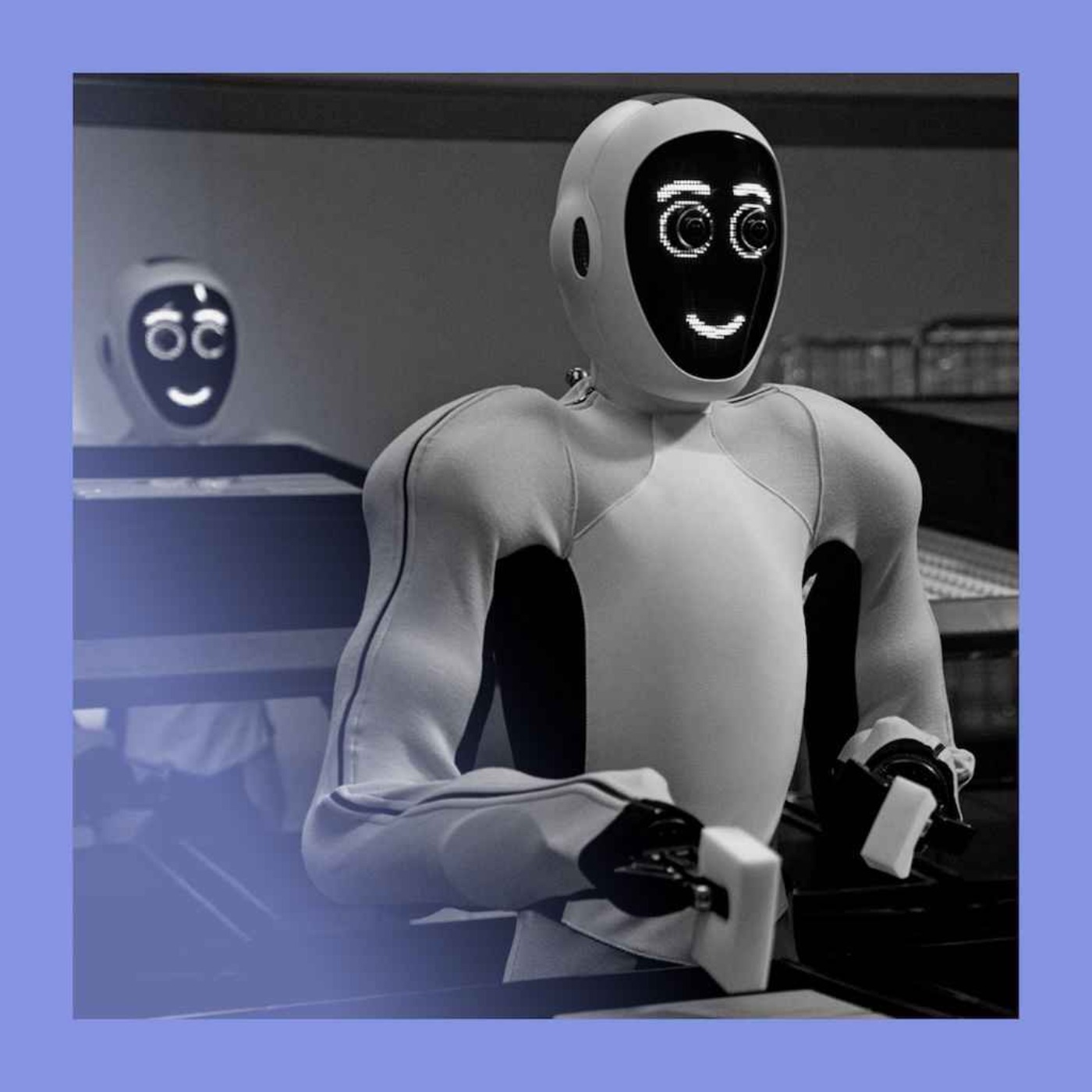
The tech world is fixated on trivial AI uses while monumental breakthroughs in healthcare go underappreciated. Innovations like CRISPR and GLP-1s can solve systemic problems like chronic disease and rising healthcare costs, offering far greater societal ROI and impact on longevity than current AI chatbots.
Weight-loss drugs like Ozempic have moved from a niche medical treatment to a mainstream phenomenon, with new data showing 15.2% of all American women are now taking them. This rapid, large-scale adoption signifies a major public health shift that will have downstream effects on the food, fitness, and healthcare industries.

GLP-1s are more than weight-loss aids; they are powerful anti-inflammatory agents affecting cardiovascular and neurological health. They even reduce cravings for things like gambling and cigarettes, acting as systemic moderators for entire biological systems, not just appetite.

The long-held belief that solving obesity would create immense wealth is now validated by Eli Lilly's $1T market cap, driven by its GLP-1 weight-loss drugs. This marks a significant shift, as the trillion-dollar club was previously dominated by tech and oil companies.

The conversation frames GLP-1 weight-loss drugs not merely as a healthcare breakthrough but as a potential moonshot for the national economy. A mass government rollout could drastically reduce healthcare costs, improve mental health, and boost productivity, representing a powerful tool for social and economic policy with far-reaching ramifications.

Widespread obesity costs the U.S. hundreds of billions annually. A federal program to negotiate and subsidize GLP-1 drugs to a low monthly cost would be an incredibly effective investment, yielding massive returns in improved public health, productivity, and reduced healthcare spending.

Drawing a parallel to the disruption caused by GLP-1 drugs like Ozempic, the speaker argues the core challenge of AI isn't technical. It's the profound difficulty humans have in adapting their worldviews, social structures, and economic systems to a sudden, paradigm-shifting reality.

The mechanism of GLP-1s extends far beyond fat reduction. By increasing insulin sensitivity in every cell—liver, kidney, nerve cells—they effectively help cells process insulin like they did when younger. This positions them as a pervasive longevity product, similar to statins, for pushing back on age-related decline.
Approximately 30% of U.S. healthcare costs are administrative. AI tools like ChatGPT Health can dramatically reduce this bloat for both providers (paperwork automation) and patients (avoiding unnecessary visits for false alarms), effectively slimming down systemic expenses like the popular weight-loss drug.
