Get your free personalized podcast brief
We scan new podcasts and send you the top 5 insights daily.
The rise of retail trading, exemplified by GameStop, is not a temporary fluke but a structural market shift. This forces institutional investors, like D1 Capital's Dan Sundheim, to change their strategies, particularly for shorting stocks, as fundamentals can be overwhelmed by retail-driven momentum.

Related Insights
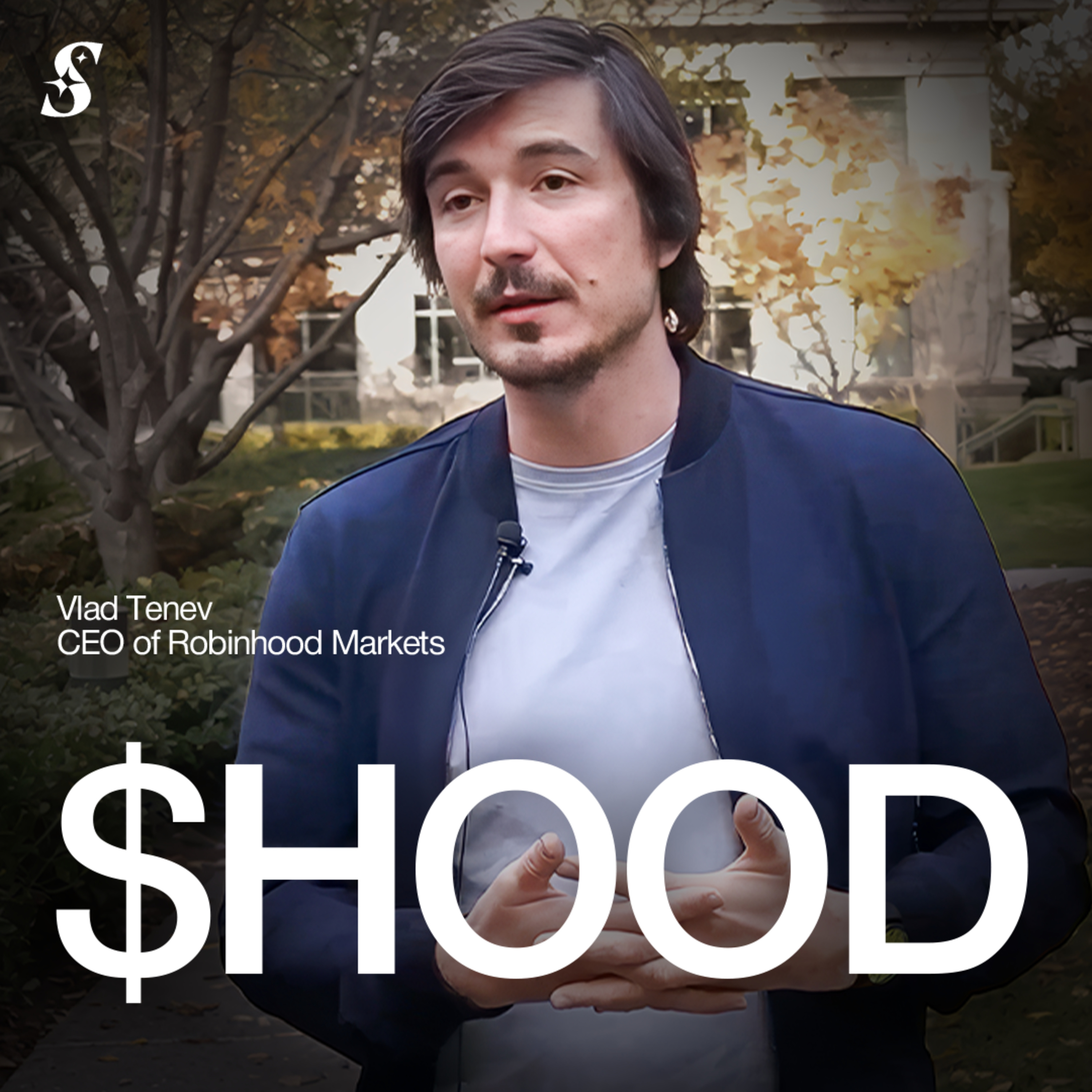
Robinhood's CEO contrasts the COVID-era retail trading craze, driven by 'ephemeral' theses like nostalgia, with today's more 'meaningful' activity. He observes that current retail investors are focused on substantive tech waves like AI, backing companies with real revenue, indicating a market maturation.
Melvin Capital went from a top hedge fund to down 50% in two weeks because they underestimated the collective power of retail investors on platforms like Reddit. This event introduced a new, unpredictable risk factor into institutional investing, driven by online community sentiment.
The traditional dynamic has flipped. Institutional investors are no longer the sole trendsetters; they now observe and institutionalize strategies, like zero-day options, that originate with retail traders. Professionals are now playing catch-up to understand and replicate what the public is doing.

Once dismissed as "dumb money," the flood of retail investors now accounts for a significant portion of daily equity trading. Their collective action, like consistently "buying the dip," has become a primary force moving markets.

Following a sharp market downturn driven by trade war fears, retail investors immediately framed it as a buying opportunity. This highlights a deeply ingrained "buy the dip" mentality, suggesting retail sentiment is remarkably resilient and perhaps less reactive to macro fears than institutional money.

The number of public companies has nearly halved since the 90s, concentrating capital into fewer assets. This scarcity, combined with passive funds locking up float, creates structural imbalances. Sophisticated retail traders can now identify these situations and trigger gamma squeezes, challenging institutional dominance.

Connected via social media, retail investors now act as a powerful, coordinated market force. They identify and pile into themes, moving beyond meme stocks to influence broader trends. This behavior, unconstrained by institutional benchmarks, makes markets 'streakier' and forces institutional funds to follow their lead.

The most important market shift isn't passive investing; it's the rise of retail traders using low-cost platforms and short-term options. This creates powerful feedback loops as market makers hedge their positions, leading to massive, fundamentals-defying stock swings of 20% or more in a single day.

Dan Sundheim argues that while retail-driven markets create more shorting opportunities, the risk of a coordinated squeeze makes concentrated shorts too dangerous. The modern strategy is to hold a much more diversified portfolio of smaller short positions to survive extreme, irrational price moves that can 10x or 20x.

Institutional investors prefer quantifiable data with historical correlations. They struggle to build teams and models around qualitative, evolving 'conversational data' from social media. This structural inability to act on non-quantifiable signals creates a lasting advantage for observant retail investors.
