Get your free personalized podcast brief
We scan new podcasts and send you the top 5 insights daily.
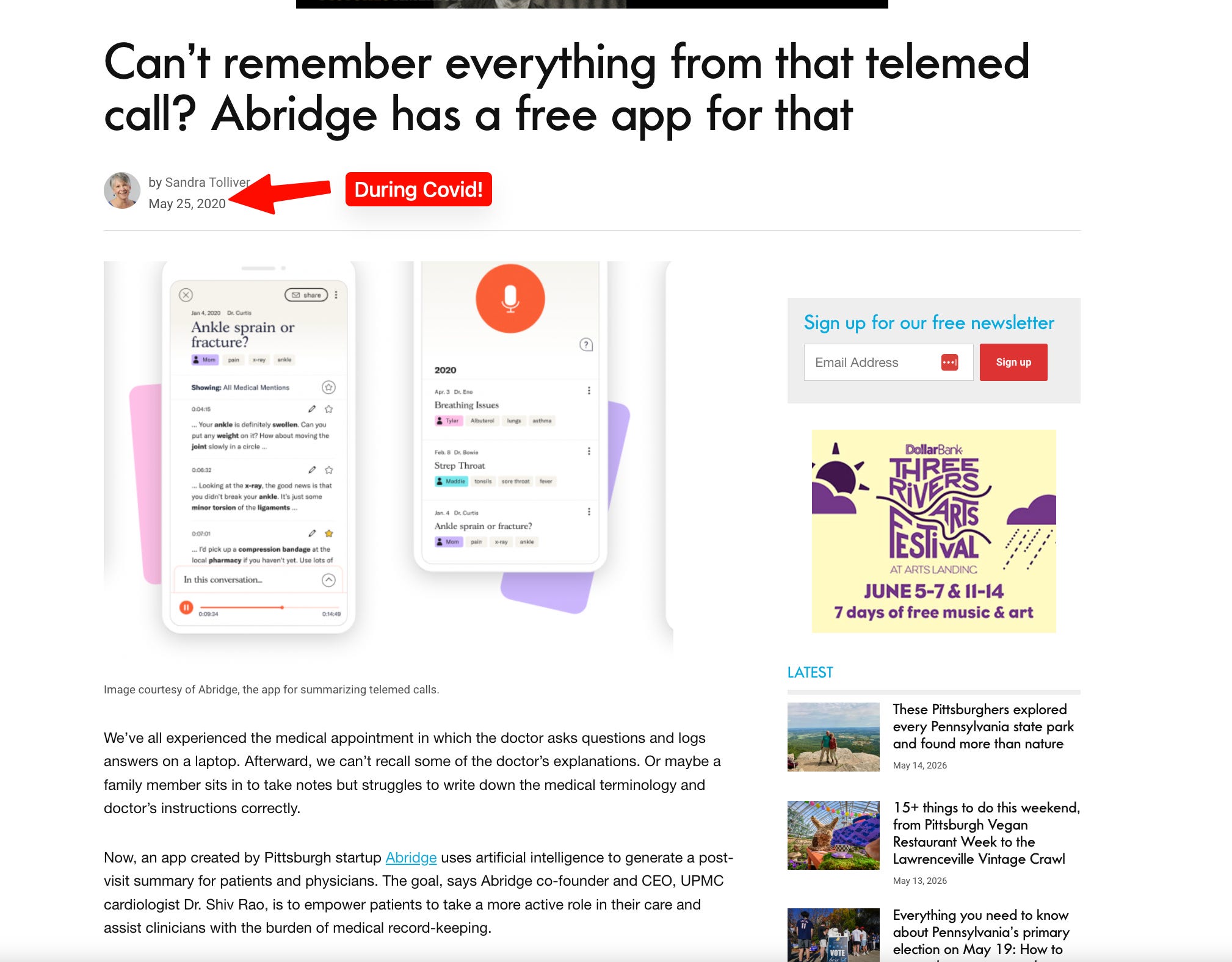
While proprietary data and high-quality models are important, Abridge's true moat lies in its deep integration into the clinical workflow. By solving problems like prior authorization in real-time while the patient is still in the room, it collapses weeks of administrative latency into minutes, creating value that is hard to replicate.
Related Insights
Traditional SaaS switching costs were based on painful data migrations, which LLMs may now automate. The new moat for AI companies is creating deep, customized integrations into a customer's unique operational workflows. This is achieved through long, hands-on pilot periods that make the AI solution indispensable and hard to replace.

The most defensible AI companies don't just have superior models; they embed themselves deeply into customer workflows. The primary barrier to adoption is change management, so overcoming that hurdle creates a durable competitive advantage that is difficult to displace.

As AI commoditizes user interfaces, enduring value will reside in the backend systems that are the authoritative source of data (e.g., payroll, financial records). These 'systems of record' are sticky due to regulation, business process integration, and high switching costs.

A key competitive advantage for AI companies lies in capturing proprietary outcomes data by owning a customer's end-to-end workflow. This data, such as which legal cases are won or lost, is not publicly available. It creates a powerful feedback loop where the AI gets smarter at predicting valuable outcomes, a moat that general models cannot replicate.

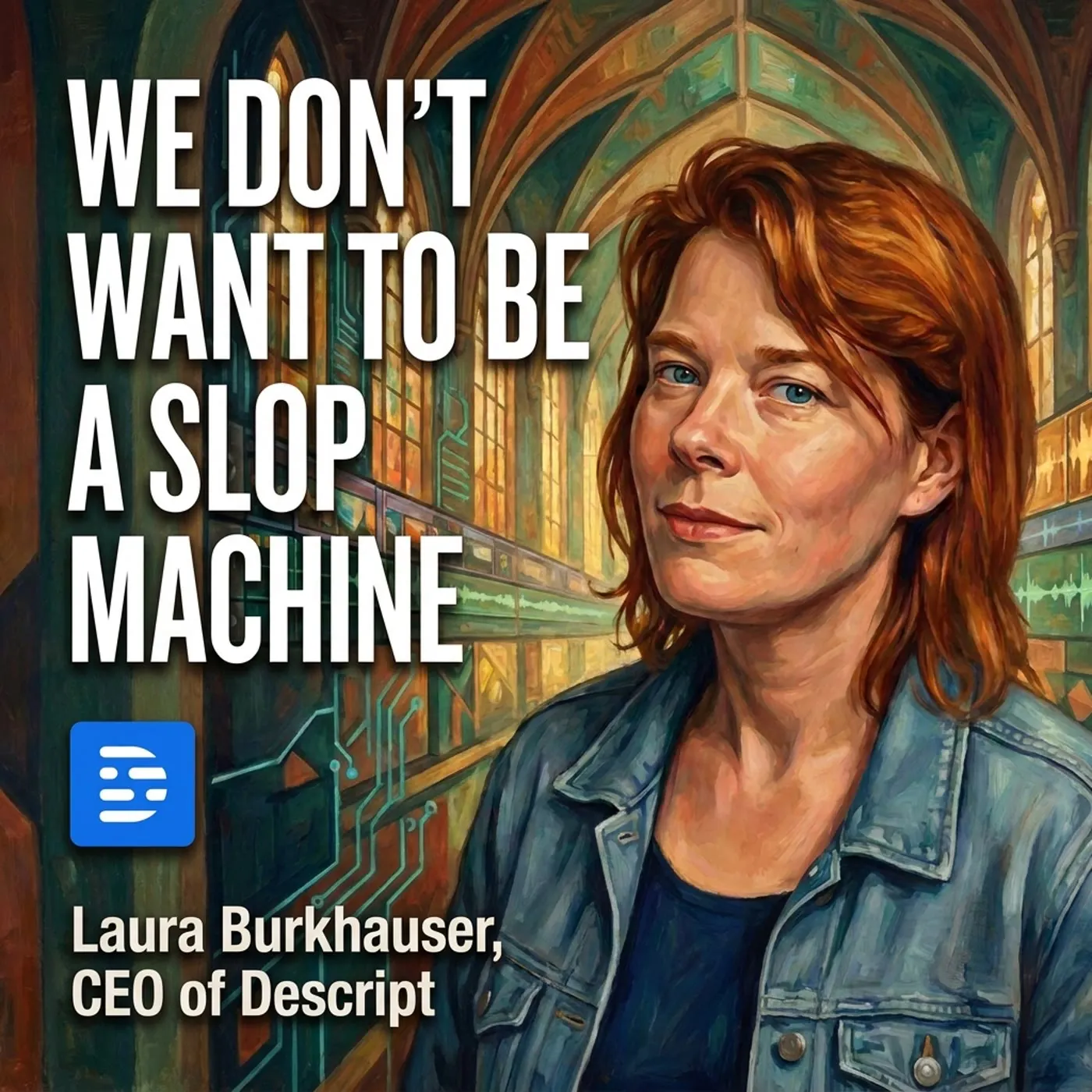
Descript's CEO says her job is to ensure that using Descript is always a better experience than using a frontier AI agent alone. This focuses the company's competitive strategy on deep integration, proprietary context, and user workflow, not just raw model capability.
AI capabilities offer strong differentiation against human alternatives. However, this is not a sustainable moat against competitors who can use the same AI models. Lasting defensibility still comes from traditional moats like workflow integration and network effects.

Software's main competitive advantage isn't code, but its deep integration into customer data and workflows, creating high switching costs. AI threatens this moat by automating those integrated tasks, reducing customer stickiness and pricing power.

Creating a basic AI coding tool is easy. The defensible moat comes from building a vertically integrated platform with its own backend infrastructure like databases, user management, and integrations. This is extremely difficult for competitors to replicate, especially if they rely on third-party services like Superbase.

Defensible companies build systems of record (like an ERP) that are so integral to a customer's operations that switching is prohibitively difficult. This creates a 'hostage' dynamic, providing a powerful moat against competitors, even those with better AI features.
As AI models become commoditized, a slight performance edge isn't a sustainable advantage. The companies that win will be those that build the best systems for implementation, trust, and workflow integration around those models. This robust, trust-based ecosystem becomes the primary competitive moat, not the underlying technology.
