Get your free personalized podcast brief
We scan new podcasts and send you the top 5 insights daily.
Developers are using Anthropic's popular Claude Code "harness" with cheaper, rival models. While Anthropic cannot officially ban this without risking a community revolt, it has quietly banned subscribers and suspended other users, creating reputational risk and portraying the company as a closed ecosystem against developer wishes.

Related Insights
Meta prohibits its AI engineers from using external tools like Codex and Claude for specific tasks. This is to prevent contaminating proprietary training data with outputs from rival models, a legal and technical problem called distillation that complicates proving a model's origin and could violate terms of service.

By building AI-native products like Cloud Code that compete with applications built on its API (e.g., Cursor), Anthropic risks alienating its developer ecosystem. The emergence of powerful, customizable open-source models like Kimi K3 now provides these developers with a viable off-ramp, threatening Anthropic's platform strategy.

Companies like Anthropic and OpenAI are shifting from being API providers to building first-party "super apps." This creates a conflict where they might reserve their most powerful models for internal use, giving smaller, distilled versions to API customers, thus undermining the third-party ecosystem they helped create.
Startups building on proprietary AI platforms like Anthropic or OpenAI face significant risk. The platform can analyze token usage, identify successful applications, and then launch a competing, integrated feature, as Anthropic did to its partner Cursor with Claude Code.

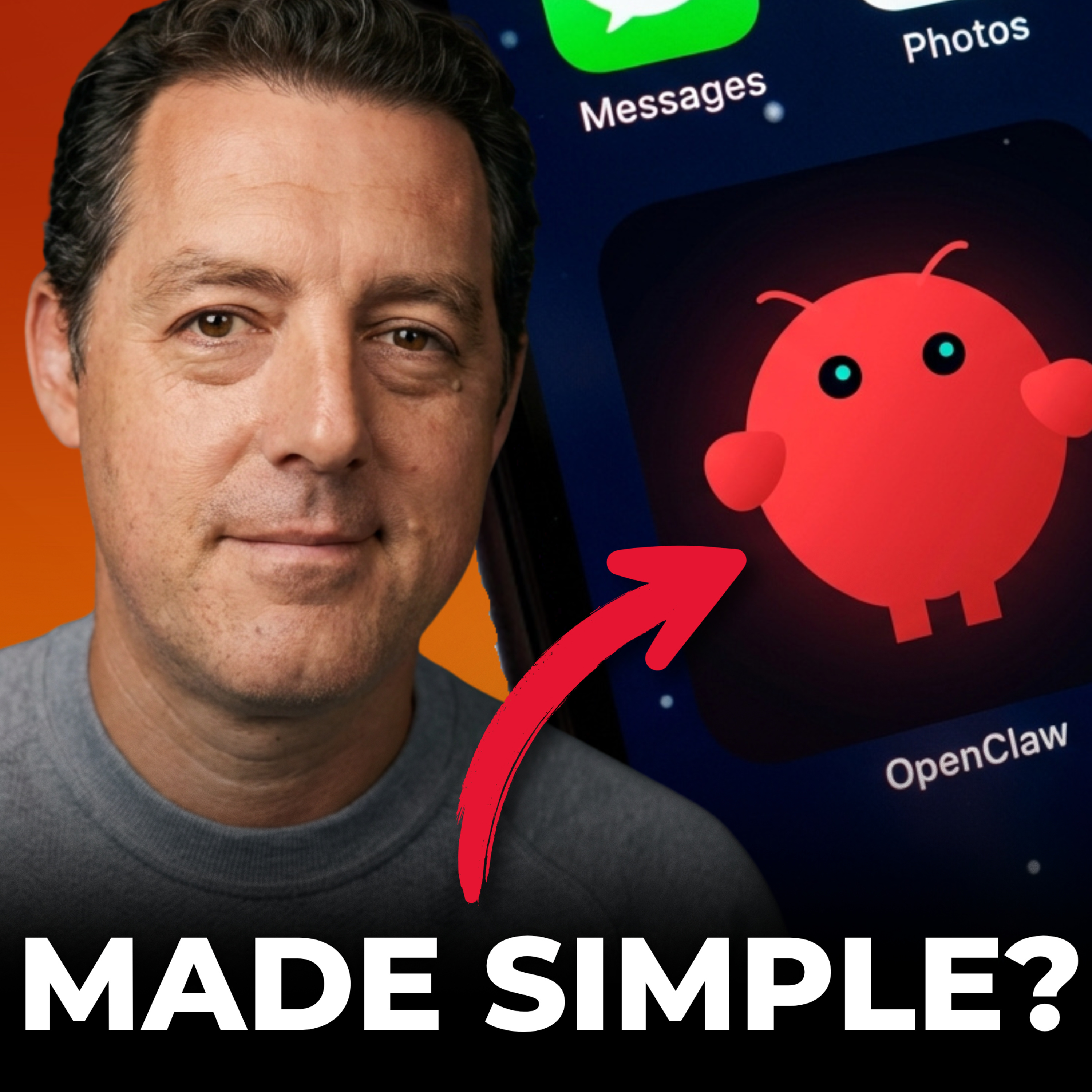
Anthropic's policy preventing users from leveraging their Pro/Max subscriptions for external tools like OpenClaw is seen as a 'fumble.' It creates a 'sour taste' for the community of builders and early adopters who are not only driving usage and paying more because of these tools, but also providing crucial feedback and stress-testing the models.
Anthropic's restrictive policies, framed as safety measures, are alienating the AI research community. Critics argue these actions burn trust and hinder research, suggesting a strategic motive to control the field rather than a pure safety concern, a move likened to Apple's strategic use of privacy.

User outrage over Anthropic restricting personal account usage for third-party tools missed that competitors like Google and OpenAI already had similar policies. This shows Anthropic was aligning with an established trend towards closed ecosystems, not pioneering an unpopular one.
Anthropic disabled affordable, flat-rate subscription access for users of the popular open-source agent OpenClaw, forcing them onto expensive metered APIs. This move, dubbed "ankling," kneecapped a rising competitor just before Anthropic launched its own similar, first-party agent, raising anticompetitive concerns.

When Anthropic secretly downgrades users for conducting AI or chip design research, it's not just a safety measure—it's an anti-competitive tactic. It prevents rivals from using its best model to build a competing model, thus protecting its market position.

The push for AI regulation, often led by companies like Anthropic, is likely leading toward an attempt to ban open-source models. The justification will be that open models lack guardrails and are therefore dangerous, effectively cementing the power of a few closed-source providers.
