Get your free personalized podcast brief
We scan new podcasts and send you the top 5 insights daily.
Senator Slotkin reveals the NDAA markup process is highly effective because it happens without cameras. This removes the incentive for political posturing, allowing legislators to engage in genuine debate, compromise, and efficient policymaking—a rarity in today's polarized environment.

Related Insights
Faced with thousands of pages of legislation like the NDAA, no senator can master every detail. Senator Slotkin explains that effectiveness hinges on employing specialized staff who read the entire bill, flag the most consequential amendments, and provide voting recommendations, allowing principals to focus on high-level strategy and debate.
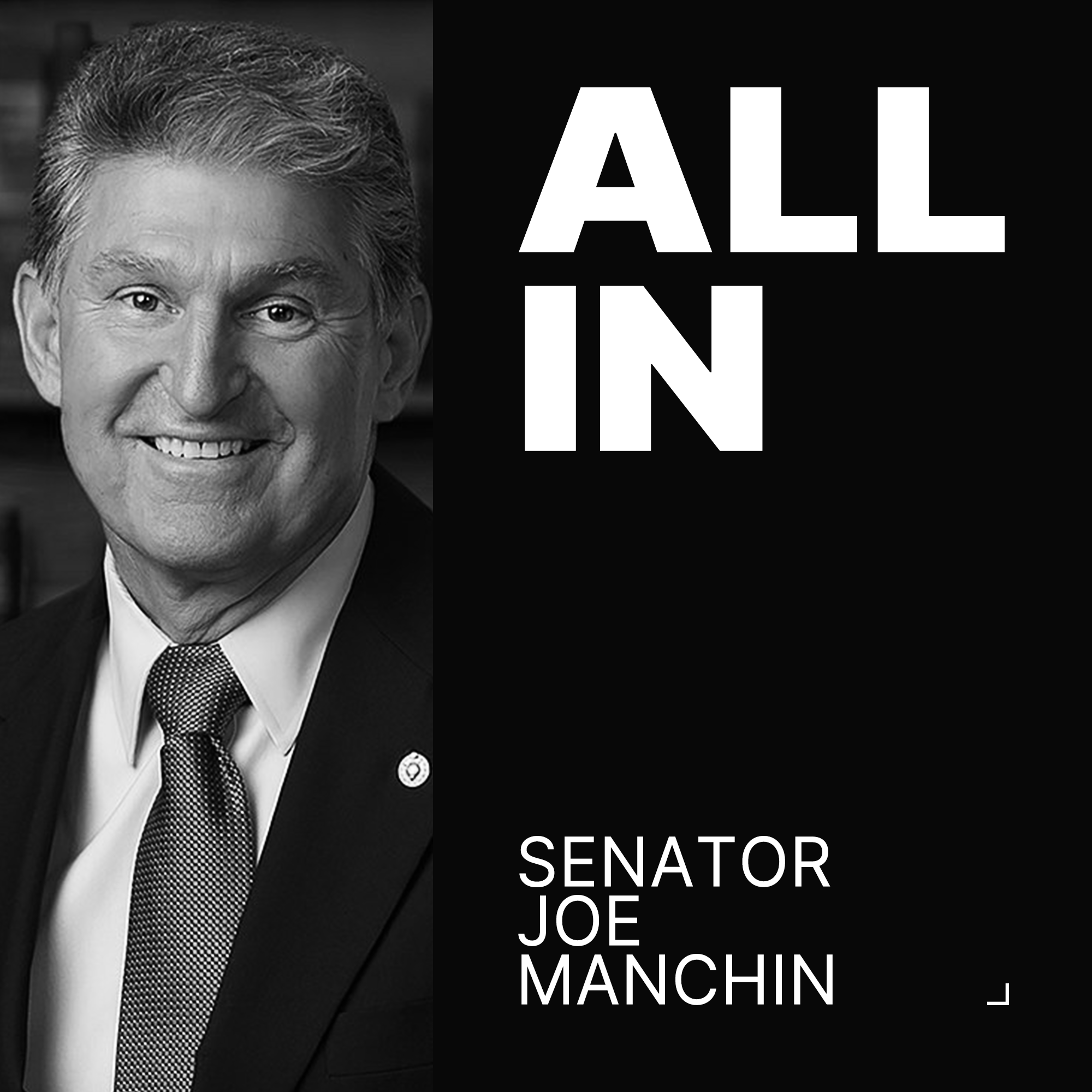
Drawing on an analogy from George Washington, Manchin describes the Senate's purpose as cooling the 'hot tea' of partisan bills from the House. He views the 60-vote filibuster as the essential mechanism for forcing deliberation and bipartisan compromise, not just as an obstructionist tool.
Bret Baier highlights an experiment where political opponents who first spent 15 minutes discussing their families could then have a productive political conversation. Establishing a shared human connection before debating policy changes the dynamic from a fight to a dialogue.

The legislative process is notoriously slow, but this is an intentional feature. The Constitution's structure creates a deliberative, messy process to ensure that laws with nationwide impact are not passed hastily. This "inefficiency" functions as a crucial check on power, forcing negotiation and preventing rapid, potentially harmful policy shifts.
Contrary to the popular belief that divided government leads to inaction, it often just shifts how policy is made. This could involve more negotiation around must-pass bills like appropriations or debt ceiling extensions rather than outright legislative stalemates.

Senators from the purple state of Pennsylvania must build coalitions that cross party lines to win elections. This electoral necessity, unlike in safe red or blue states, forces them to find common ground and work together, as many of their constituents voted for politicians from both parties.

Proposals like term limits, congressional insider trading bans, and budget accountability for lawmakers receive overwhelming public approval, cutting across typical political divides. This suggests accountability is a powerful, unifying theme for voters.

Paradoxically, the undemocratic nature of the UK's House of Lords makes it a highly effective legislative body. Composed of non-partisan experts who scrutinize bills in detail, it forces the government to justify its policies and improve legislation, a function the elected chamber often fails to perform.

The best political outcomes emerge when an opposing party acts as a 'red team,' rigorously challenging policy ideas. When one side abandons substantive policy debate, the entire system's ability to solve complex problems degrades because ideas are no longer pressure-tested against honest opposition.

Companies lobbying on policy should understand that no bill is implemented as originally drafted. It undergoes extensive horse-trading and revisions across committees, agencies, and industry interests, making the final outcome unpredictable and seldom perfect.