Get your free personalized podcast brief
We scan new podcasts and send you the top 5 insights daily.
Replacing eighty-million-dollar fighter jets with thirty-thousand-dollar drones and abandoning cost-plus defense contracting can dramatically lower the Pentagon's budget while preserving national defense capabilities. By embracing asymmetric procurement and a commercial product mindset, governments can simultaneously modernize armed forces and repair national balance sheets.

Related Insights
Ukraine's use of cheap drones to destroy a significant portion of Russia's bomber fleet exemplifies modern, asymmetric conflict. The new paradigm favors low-cost, high-volume assets that inflict disproportionate damage on expensive, traditional military hardware, a domain where the U.S. lags.

Modern conflicts demonstrate that low-cost drones can effectively neutralize multi-million dollar missiles. This economic imbalance creates a massive market opportunity for tech companies that can produce cheaper, high-volume, and effective weapons systems.
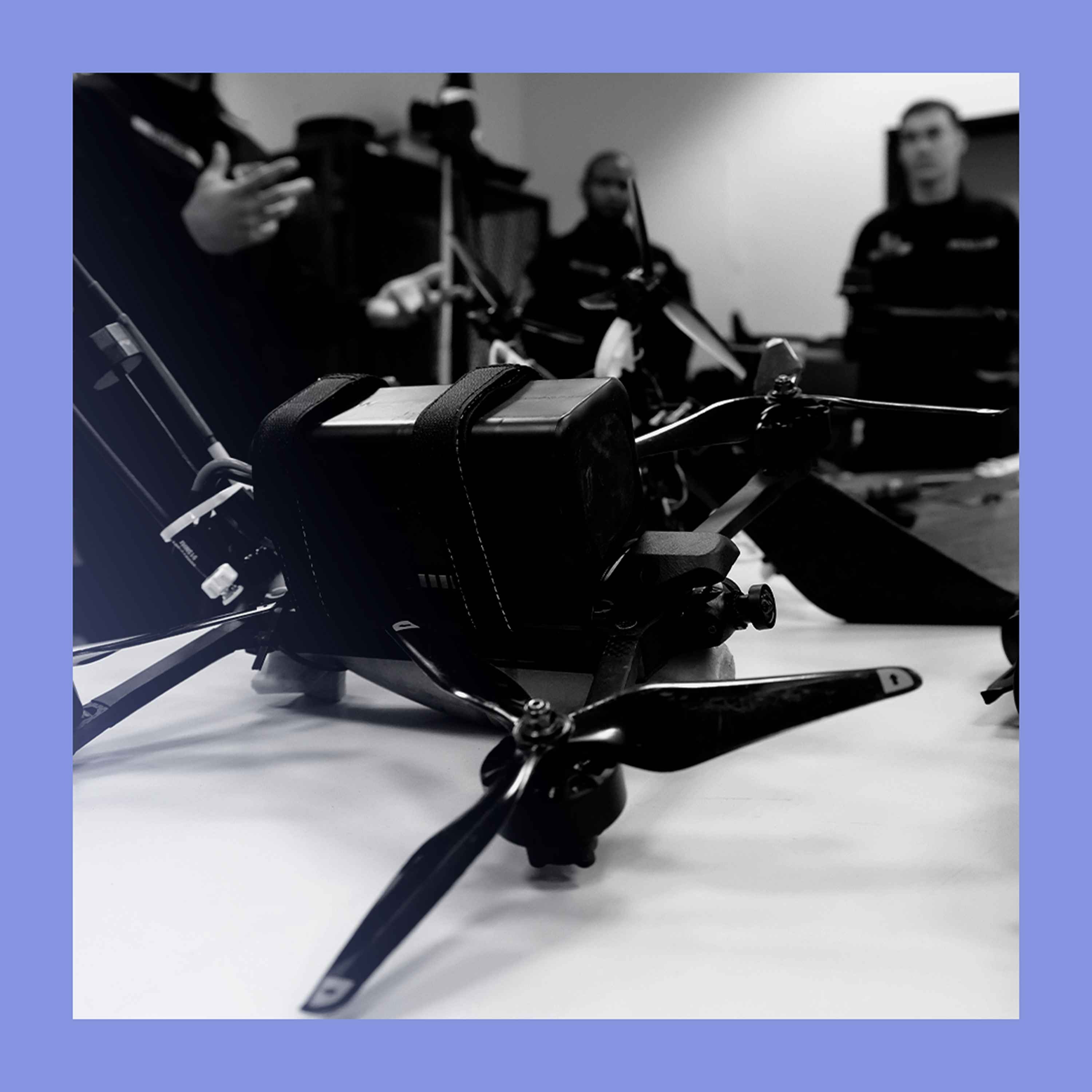
The conflict highlights a critical economic vulnerability in US defense strategy. The US is forced to use multi-million dollar missiles to counter Iranian drones that cost only $20,000. This massive cost imbalance demonstrates the power of asymmetric warfare and a significant strategic inefficiency for the US military.

Low-cost, mass-produced drones create strategic advantage by forcing a disproportionately expensive defensive response ($4M missiles for $20K drones). This 'weaponized financial asymmetry' can extend conflicts by draining an opponent's budget, even if the drones are successfully intercepted.

The Pentagon is moving away from decades-long, multi-billion dollar projects like aircraft carriers. The new focus is on mass-produced, attributable, low-cost systems like drones, which allows for faster innovation and deployment from new defense tech startups, not just the old primes.

The rapid evolution of drones in Ukraine demonstrates that commercially viable, inexpensive products are now central to modern warfare. The ability to iterate quickly using commercial supply chains provides a mass-producible advantage over traditional, slow-moving defense procurement for certain capabilities.

The conflicts in Ukraine and Iran reveal a paradigm shift in military strategy. Expensive, high-risk assets like B2 bombers are becoming obsolete. The future is asymmetric warfare: swarms of cheap, disposable drones or 'motorcycles with bombs,' where losing most of the units is acceptable if a few reach their target.

The key takeaway from conflicts in Ukraine and Iran is the severe cost imbalance created by drones. Cheap, disposable drones can threaten multi-million dollar assets, forcing a strategic shift toward developing low-cost, mass-produced "attributable weapons" to level the economic playing field.

The conflict with Iran highlights a new reality in warfare. Inexpensive, easily produced drones create an asymmetrical threat, as defense systems are vastly more expensive to deploy per incident, making traditional defense economically unsustainable.

Modern warfare has shifted. A $25,000 drone can neutralize a multi-million dollar missile system or threaten a billion-dollar warship. This asymmetry allows less powerful nations or groups to create massive disruption against sophisticated militaries, changing the calculus of global power.