Get your free personalized podcast brief
We scan new podcasts and send you the top 5 insights daily.
The trial's design strategically allows for chemotherapy to be reduced or stopped due to toxicity while the patient continues on the G12D inhibitor. This positions the experimental drug not just as an add-on, but as a potential long-term maintenance backbone for treatment.

Related Insights
Instead of a single cure, the goal is to create a "cancer treatment framework." This involves sequencing different ADCs with varied mechanisms of action to overcome resistance as it develops. This approach aims to transform cancer from a terminal diagnosis into a manageable, long-term condition.

The standard practice of a 6-8 cycle chemotherapy induction followed by maintenance wasn't a deliberate trial design. It evolved organically from patient intolerance to cumulative toxicities like neuropathy, a limitation newer, less toxic drugs like TDXD don't necessarily share.
To improve long-term tolerability of amivantamab, some experts advocate for a "marathon, not a sprint" approach. This involves aggressive dose holds or reductions at the earliest signs of toxicity, even low-grade, to prevent side effects from escalating and ensure patients can remain on effective therapy longer.

The speaker predicts that if the G12D inhibitor and chemotherapy combination proves successful in the metastatic setting, its high response rate and safety profile will make it a compelling option for earlier stages of the disease, such as in neoadjuvant settings for resectable cancers.
Patient preference is a powerful force in oncology, with many actively seeking to avoid chemotherapy. In the Resolute 303 trial, patients overwhelmingly hope for the daraxoracib monotherapy arm, signaling a clear demand for effective, chemo-free regimens that will shape future clinical development.
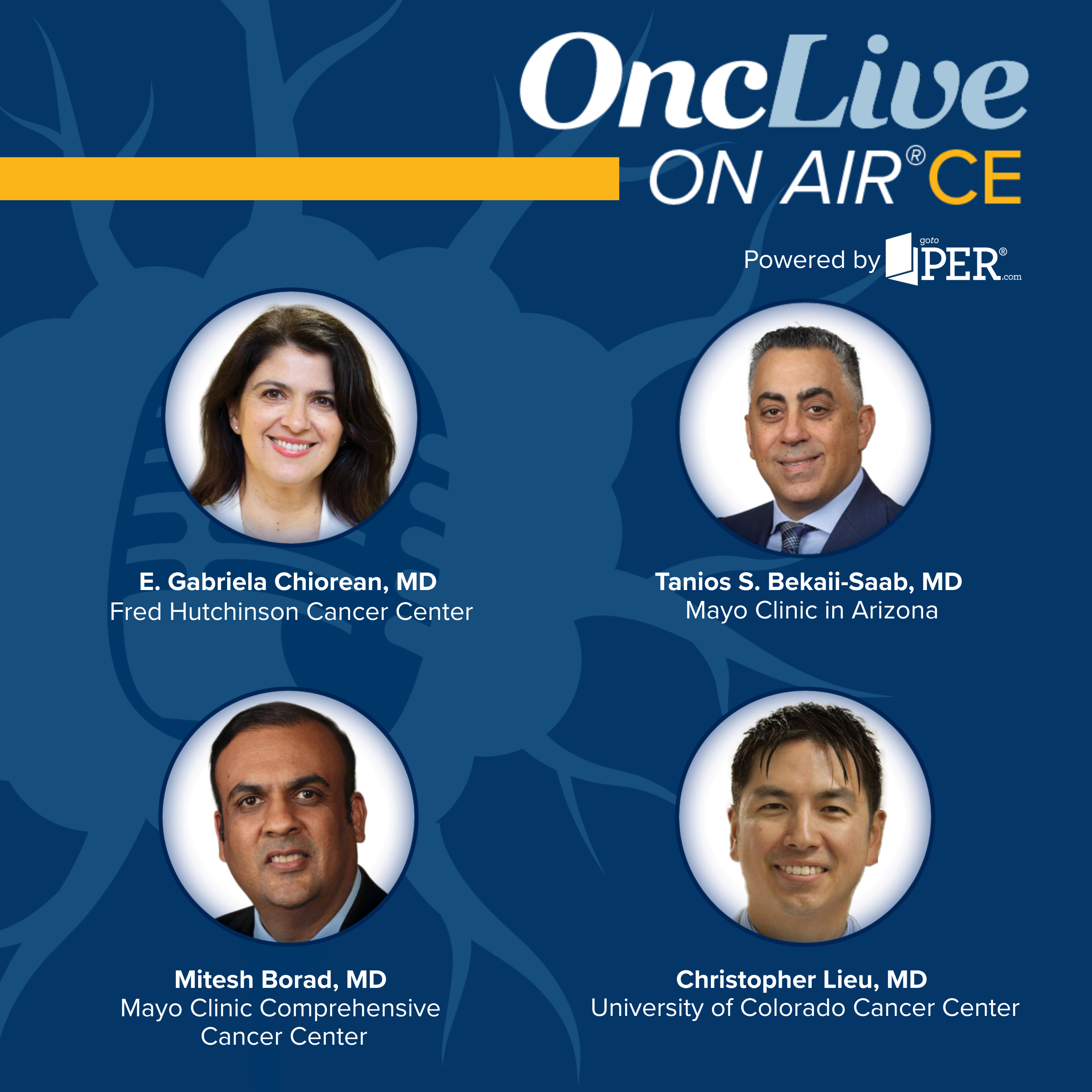
To mitigate long-term toxicity from TDXD, oncologists are proposing an "induction/maintenance" approach. Patients receive TDXD for an initial period to achieve maximal response, then switch to a less toxic maintenance regimen for a "chemotherapy holiday," improving quality of life.
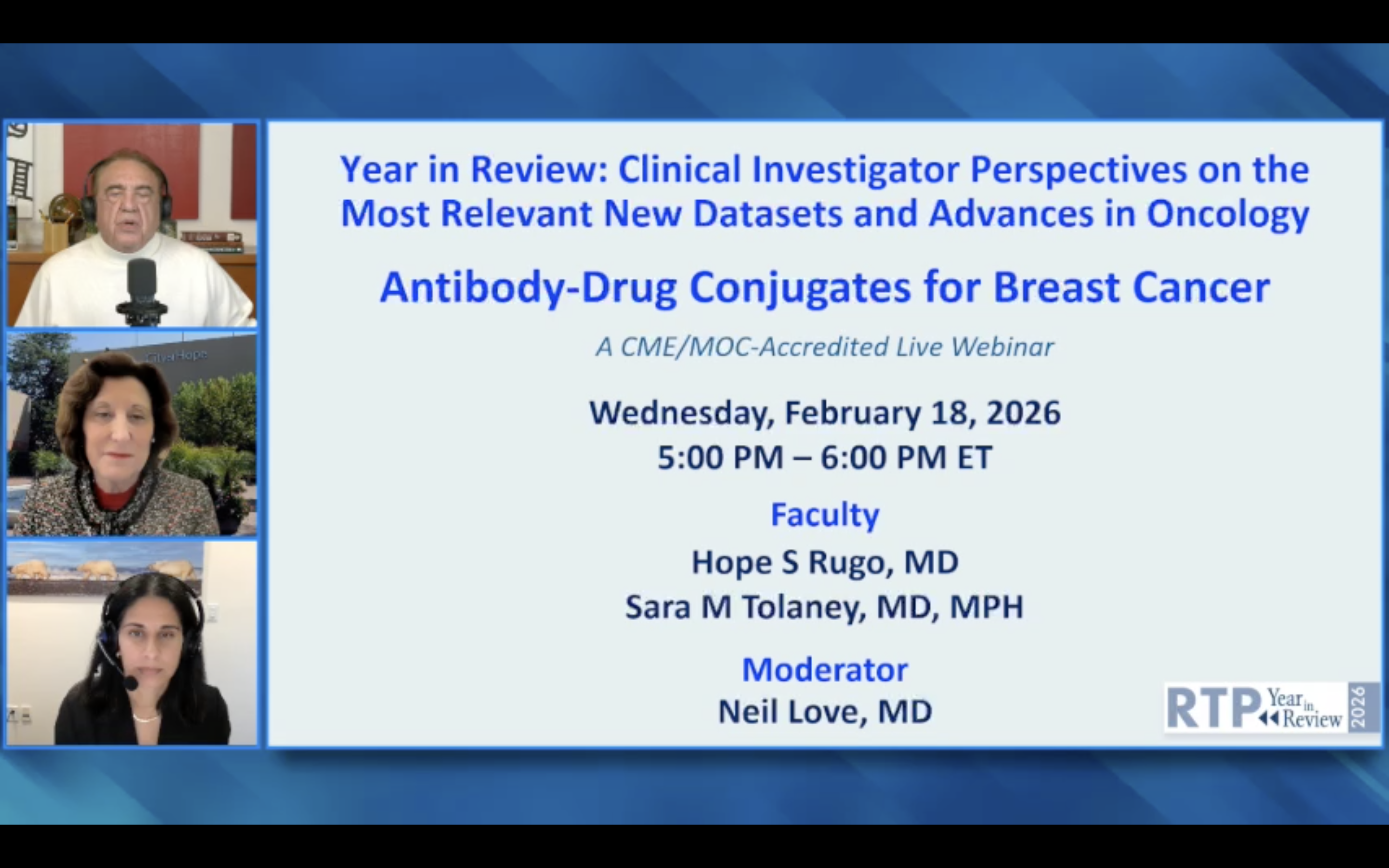
The SmartStop trial represents a paradigm shift by using a chemotherapy-free drug combination as an initial induction treatment. This "iconoclastic" design challenges the decades-old R-CHOP standard, using initial response to guide subsequent chemotherapy intensity. This approach could de-escalate treatment for strong responders, personalizing therapy and potentially reducing long-term toxicity.

The next major shift for CAR T-cell therapy is its integration into frontline treatment. Instead of being reserved for relapse, it's being tested as a consolidation therapy that could replace the standard two to three years of maintenance chemotherapy, dramatically shortening treatment duration.
As multiple effective Antibody-Drug Conjugates (ADCs) become available, the primary clinical challenge is no longer *if* they work, but *how* to use them best. Key unanswered questions involve optimal sequencing, dosing for treatment versus maintenance, and overall length of therapy, mirroring issues already seen in breast cancer.
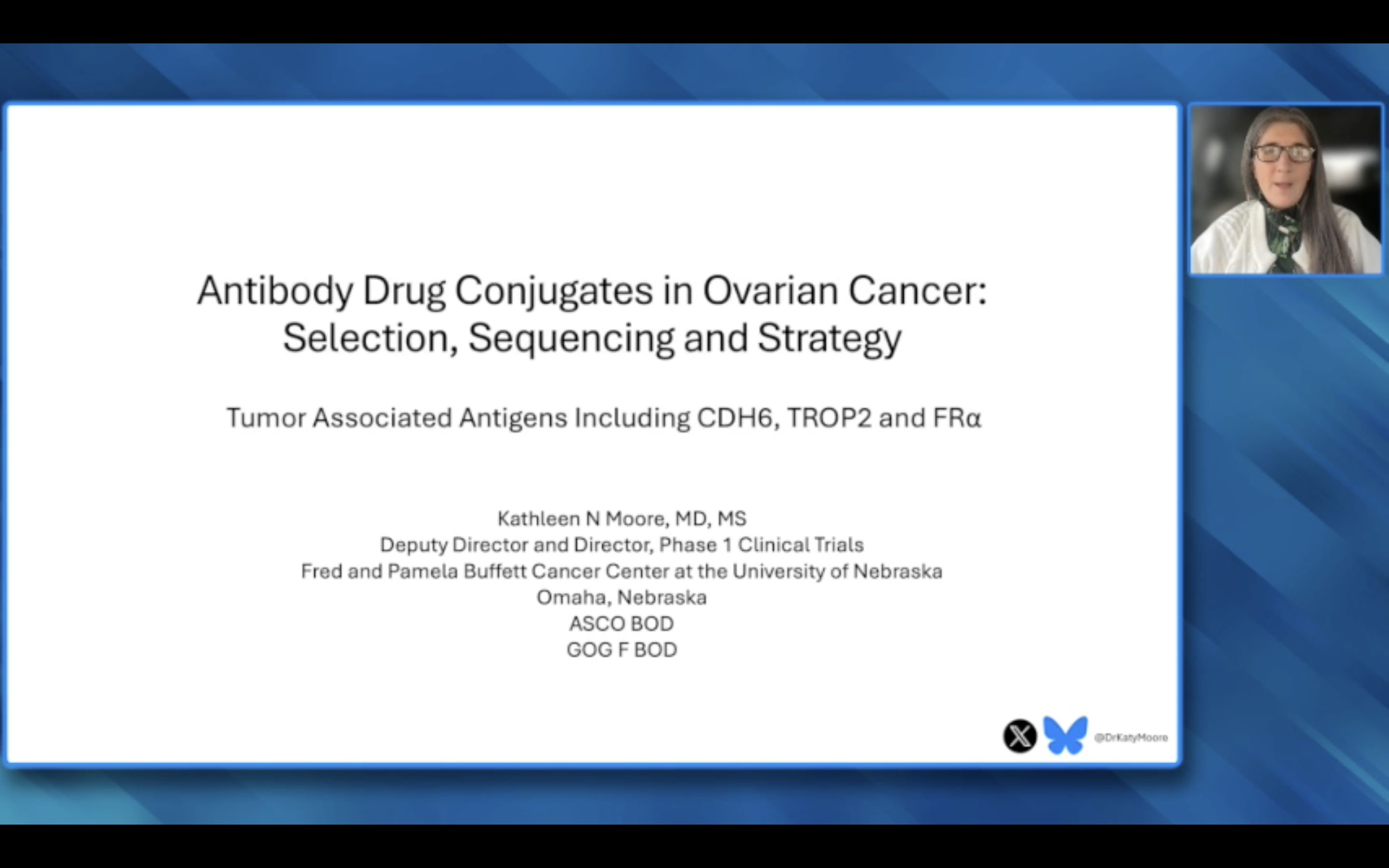
As potent ADCs prove effective, the current paradigm of treating until disease progression is unsustainable due to cumulative toxicity. Experts urge trial designers to be "brave" and prospectively investigate optimal, fixed treatment durations sooner rather than later, shifting the goal from indefinite therapy to achieving a deep remission.
