Get your free personalized podcast brief
We scan new podcasts and send you the top 5 insights daily.
In its early launch phase, Spotify observed disproportionately high consumption of nonfiction titles, such as celebrity memoirs. This suggests that for users new to audiobooks, fact-based content like biographies or business books is a more accessible and appealing entry point than fiction.

Related Insights
Unlike Audible's credit-per-book model, Spotify's 15-hour listening allowance encourages users to sample unknown authors without the "jeopardy" of a wasted credit. This has led to broader engagement across the catalog, benefiting backlist titles and independent authors who are less known.
Spotify is enabling a new go-to-market strategy where authors launch books in audio format first. The success and data from the audio launch can then be used to secure deals with major publishers for physical book rights, as seen with author Ali Hazelwood. This flips the traditional publishing sequence.
Chris Koerner considers audio his most important channel. Unlike with YouTube, where users are easily distracted, audio becomes part of a listener's routine (mowing, driving, chores). This creates a captive, habit-driven audience that he believes is the most engaged and loyal.

Spotify leverages its vast user data from music and podcasts to create a powerful cross-format discovery engine. For example, a user listening to gardening podcasts will be recommended gardening audiobooks. This synergy turns existing listening behavior into a strong signal for personalized content discovery.
The host, a self-proclaimed "hard copy person," used the AI app Speechify to consume a digital book he otherwise would have skipped. By selecting celebrity voices like Snoop Dogg and Gwyneth Paltrow, he made the content more accessible and enjoyable, highlighting a novel productivity hack for auditory learners.

Spotify's "PageMatch" innovation allows users to sync audiobook progress with a physical or e-book by taking a photo of the page. This seamless transition between reading and listening has increased user listening by 55% and doubled the rate at which they finish books.
"The Book Club" podcast is designed for two audiences simultaneously. For those who've read the book, it's an enjoyable conversation. For those who haven't, the hosts have "done the reading for you," allowing listeners to appear well-read. This broadens the potential audience beyond just avid readers.
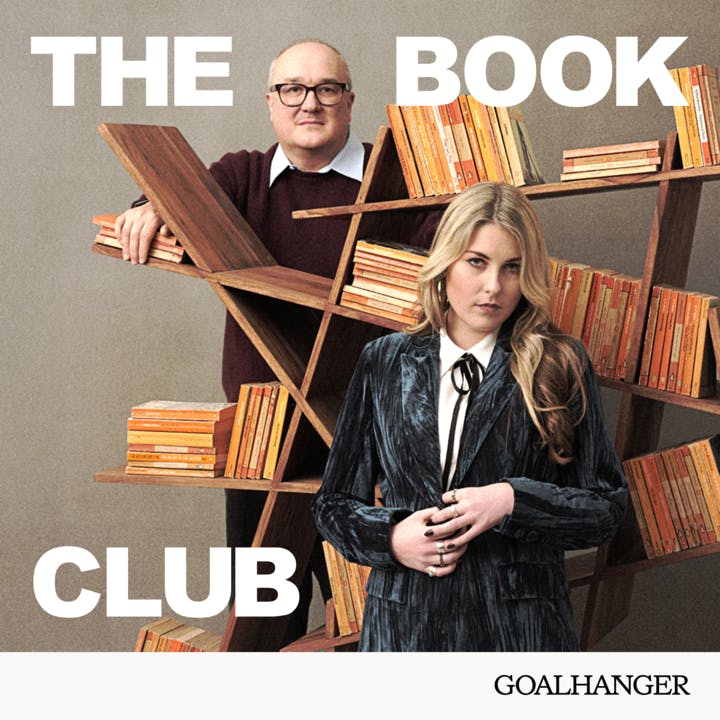
Sales of serious non-fiction books across biography, business, and current affairs are in "free fall." According to publishing executives, this is not due to waning interest but a format shift: podcasts are capturing the audience and time once dedicated to reading these "dad books."

In a fundamental shift in media consumption, consumers now spend more time listening to spoken word content like podcasts than to music. This reflects a growing trend of integrating information and knowledge consumption into daily multitasking activities like commuting or chores.
By integrating 15 hours of audiobook listening into its existing premium music subscription, Spotify rapidly acquired significant market share. This frictionless entry point converted music listeners into audiobook consumers without requiring a separate purchase decision, showcasing the power of bundling.