Get your free personalized podcast brief
We scan new podcasts and send you the top 5 insights daily.
USCENTCOM continues to operate with a pre-drone era mindset, failing to learn from recent conflicts like Ukraine. This strategic inertia leads to inadequate base security and the preventable loss of critical assets, such as an AWACS plane, to enemy drones.

Related Insights
Despite two decades of availability, a deep-seated cultural resistance persists within the US Army. Artillerymen will actively reject fire-spotting data from drones, trusting only traditional forward observers, which cripples the effectiveness of modern combined arms operations.
The narrative from the Russia-Ukraine war suggested drones made helicopters obsolete. However, the Iran conflict shows AH-64 attack helicopters are effective at shooting down Shahed-type drones. Their ability to fly low and slow and use cheaper munitions like guns and rockets makes them a viable counter-UAS system.
The military is applying powerful AI software for intelligence and targeting, but the physical hardware—planes, missiles, and interceptors—was not designed for this new reality. This mismatch creates inefficiencies, such as using expensive Patriot missiles designed for jets to shoot down cheap drones, highlighting a hardware-software gap.
Russia's use of cheap drones creates a significant economic and strategic challenge for NATO. The current defensive approach is financially unsustainable, as seen when Poland used a million-dollar missile on a cheap drone. This asymmetry is forcing Europe to develop new, low-cost interception methods, such as a continent-wide "drone wall".
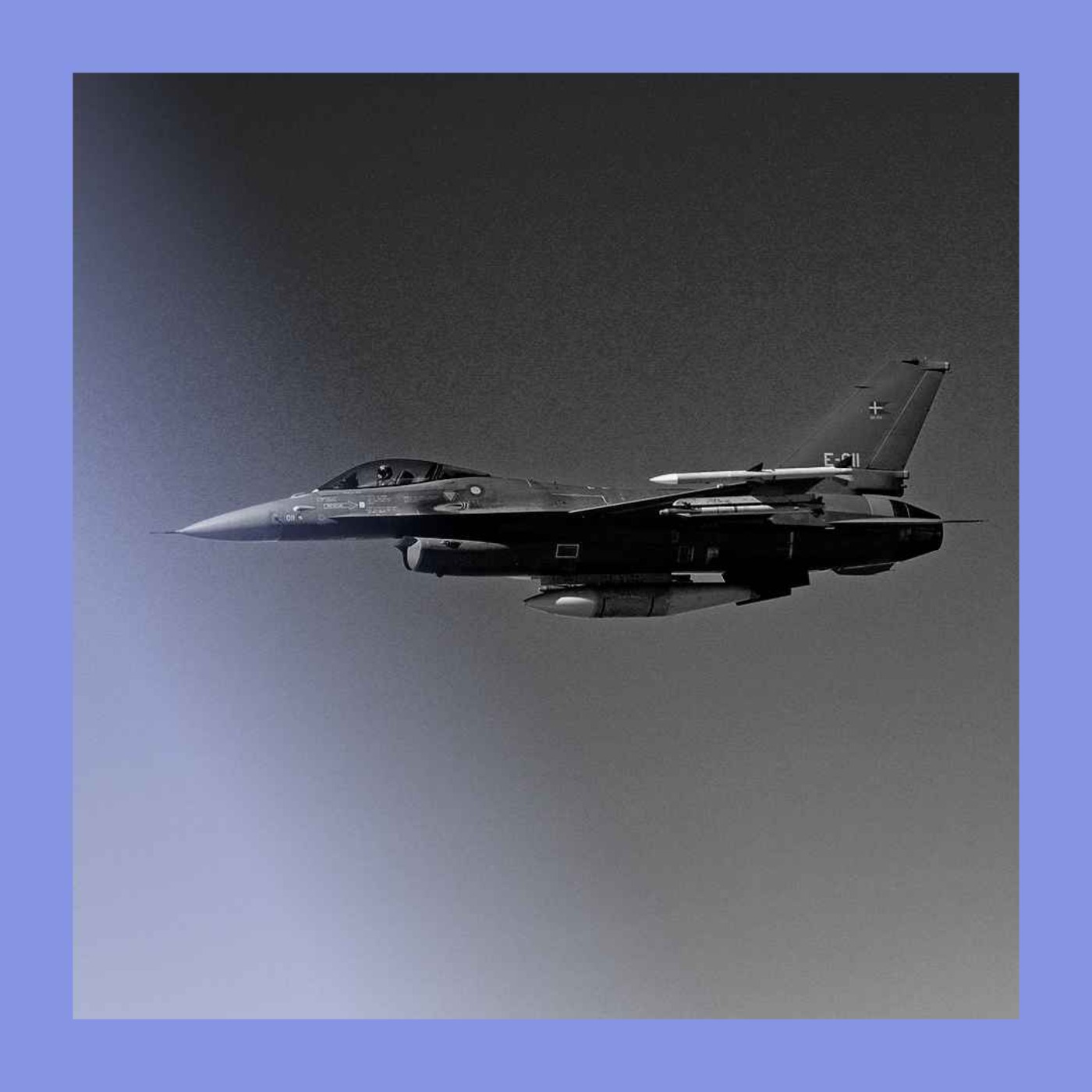
The US administration rejected a battle-proven Ukrainian solution for downing Iranian drones before the conflict began, only to need their help later. This failure to leverage allied expertise, especially from a nation with direct experience against similar threats, showcases a critical and ironic gap in US military preparedness.

The use of weaponized quadcopters by ISIS in Mosul marked a turning point, akin to the Turing test for AI. It was the first time since the Korean War that US forces faced guided enemy aircraft, heralding a new era of layered, intelligent, and highly lethal paramilitary defense.
The US Army's extensive counterinsurgency experience from the Global War on Terror is largely irrelevant in modern peer-level conflicts. Forces like the Ukrainians and Russians now possess far more relevant and recent combat experience, particularly regarding drone warfare and large-scale conventional operations.
The conflict with Iran highlights a new reality in warfare. Inexpensive, easily produced drones create an asymmetrical threat, as defense systems are vastly more expensive to deploy per incident, making traditional defense economically unsustainable.

The war in Ukraine has evolved from a traditional territorial conflict into a "robot war," with drones dominating the front lines. This real-world battlefield is accelerating innovation at an "unbelievable" pace, driving new solutions for secure communications and autonomous targeting, providing critical lessons for US drone strategy.

The rise of drones is more than an incremental improvement; it's a paradigm shift. Warfare is moving from human-manned systems where lives are always at risk to autonomous ones where mission success hinges on technological reliability. This changes cost-benefit analyses and reduces direct human exposure in conflict.
