Get your free personalized podcast brief
We scan new podcasts and send you the top 5 insights daily.
Factory refunded nearly $2M in revenue because their product wasn't creating "obsessed customers," even though they were skilled at sales. This painful, counterintuitive decision preserved trust, allowing them to re-engage those same customers later with a superior product.
Related Insights
To embody their 'do the right thing' culture, Arista proactively replaced a customer's potentially faulty hardware at its own expense. This decision, which could have led to bankruptcy, demonstrated a commitment to long-term trust over short-term financial stability and became a defining cultural moment.

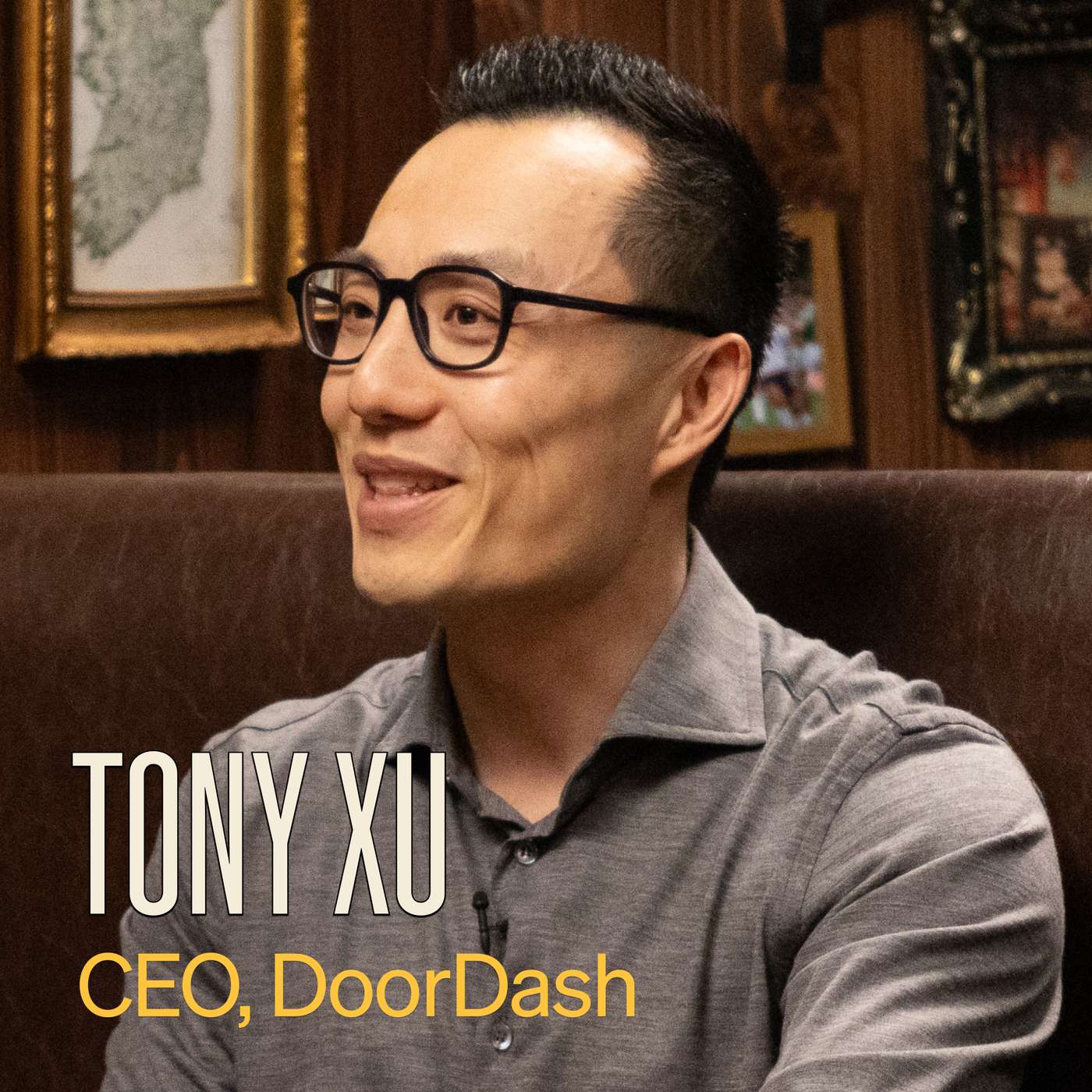
Early on, after a night of late orders, DoorDash refunded all customers, costing over 40% of their bank account when they had less than two weeks of cash. This demonstrates that true customer obsession is defined by costly, tangible actions, not just slogans.
When a system bug caused customers to be overcharged, Nubank proactively returned the money with an apology, even before customers noticed. This action demonstrates their core value of prioritizing long-term customer loyalty and trust over short-term financial gains, viewing it as the ultimate driver of company value.
Instead of hiding early product flaws, founders can build a stronger community by openly sharing their mistakes and the correction process. This transparency makes the brand more relatable and human, fostering trust and loyalty more effectively than projecting an image of perfection.

Most marketing avoids negativity, but proactively addressing your product's flaws or top churn reasons is a powerful strategy. It disarms skeptical buyers who are used to perfect marketing narratives. This transparency builds trust and attracts best-fit customers who won't be surprised by your product's limitations.

In a shift towards predictive CX, brands are proactively saving customers money, even if it hurts immediate revenue. This radical transparency builds immense long-term trust and loyalty.
Don't look for a "magic bullet" like a blog post or a single gesture to regain lost trust. It is earned back slowly over years by consistently improving the product and, crucially, avoiding the same mistake twice. The gains are gradual, but they compound.
When Hedley and Bennett missed a deadline for its largest-ever order, the founder gave the entire 150-apron order away for free. Despite not having the money, this decision demonstrated unwavering accountability and built trust, showing that brand integrity is paramount, regardless of the financial strain.

When the first Kickstarter orders were shipped in flimsy envelopes and arrived shattered, Jing panicked and proactively emailed every customer. This raw transparency, rather than defensiveness, turned a potential business-ending disaster into a moment that built immense trust and long-term customer loyalty.
When a 150-apron order failed to meet a deadline, founder Ellen Bennett gave the entire order away for free, despite not having the money. This costly move demonstrated integrity and extreme ownership, solidifying the customer relationship and reinforcing the brand's long-term values over short-term profit.