Get your free personalized podcast brief
We scan new podcasts and send you the top 5 insights daily.
Emil Michael says the Department of War cannot use Anthropic while its model's constitution lets it refuse lawful orders or sit between a commander and a superior. He calls that a loss of control incompatible with military command structure.

Related Insights
The conflict between Anthropic and the Pentagon isn't about the immediate creation of autonomous weapons. Instead, it's a fundamental disagreement over whether the military can use AI for any 'lawful use' or if the tech companies get to impose their own ethical restrictions and acceptable use policies, effectively setting the rules of engagement.

By refusing to allow its models for lethal operations, Anthropic is challenging the U.S. government's authority. This dispute will set a precedent for whether AI companies act as neutral infrastructure or as political entities that can restrict a nation's military use of their technology.

The Pentagon labeled Anthropic a "supply chain risk" not due to a technical flaw, but because it dislikes the AI's embedded "constitution" and safety guardrails. This reveals a fundamental clash over who controls the values and behaviors of AI used in defense, turning a tech partnership into a political battle.

Emil Michael argues that a private company's internal values document cannot be the governing authority for lawful military commands. This establishes a key principle: democratically-enacted laws, not corporate policies, must govern the use of foundational technologies like AI in national defense.

A U.S. judge found the Pentagon unlawfully retaliated against Anthropic for refusing to authorize its AI for mass surveillance and lethal autonomous warfare. This sets a precedent for AI companies to enforce ethical usage restrictions.

Anthropic is in a high-stakes standoff with the US Department of War, refusing to allow its models to be used for autonomous weapons or mass surveillance. This ethical stance could result in contract termination and severe government repercussions.

The Pentagon rejected Anthropic's offer to grant exceptions for military AI use on a case-by-case basis. Under Secretary Emil Michael explained that needing to call a vendor for permission during a crisis is an operationally unworkable and irrational risk for a time-sensitive mission.

Legislation on military AI is not aimed at stifling innovation but at establishing a crucial rule: a human must remain the ultimate decision-maker in life-or-death situations. While AI can augment analysis and logistics, it cannot be given final authority to deploy lethal force or nuclear weapons, ensuring human accountability.

The US Department of War is so committed to integrating AI into warfare that it blacklisted AI lab Anthropic for stipulating its models couldn't be used for autonomous weapons, revealing an intolerance for ethical limitations from suppliers.
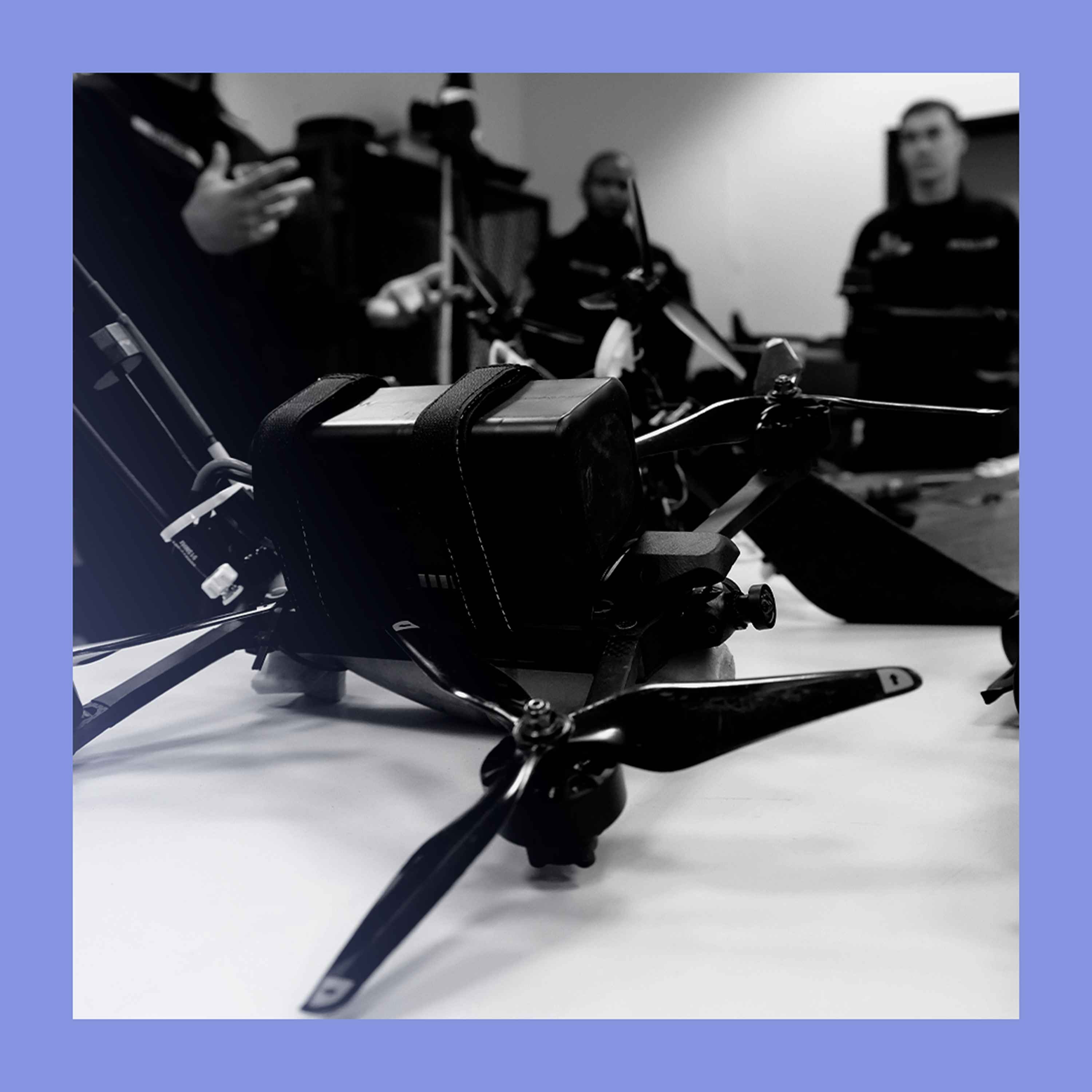
The Department of War is threatening to blacklist Anthropic for prohibiting military use of its AI, a severe penalty typically reserved for foreign adversaries like Huawei. This conflict represents a proxy war over who dictates the terms of AI use: the technology creators or the government.