Get your free personalized podcast brief
We scan new podcasts and send you the top 5 insights daily.
The pioneers of AGI labs were primarily motivated by the mission, not profit. However, their success attracted massive investment from profit-seekers. This has created a fundamental tension, where idealist founders are now pressured by investors to prioritize commercialization and speed over safety, as seen during Sam Altman's ouster from OpenAI.

Related Insights
OpenAI's nonprofit is now lavishly funded by its successful for-profit arm. This creates a powerful incentive to continue launching commercial products, which has proven highly effective. This dynamic could inadvertently shift focus away from the original, less commercial mission of ensuring AI safety for all humanity.

Unlike prior tech waves where founders aimed to build companies, many top AI founders are singularly focused on achieving AGI. This unified "North Star" creates a unique tension between long-term research and near-term product goals, leading to unconventional founder and company dynamics.

For elite AI researchers, the mission to build AGI is a primary motivator, described as a "quasi-religious enterprise." This suggests labs focusing on this long-term vision, like OpenAI, can attract top talent even from well-funded competitors, as researchers seek the best environment to achieve this ultimate goal.

As OpenAI and Anthropic gear up to go public, the pressure to generate profit is mounting. This shift from pure research to building ad-driven, commercial products creates a culture clash, causing disillusioned engineers who joined for loftier goals to quit.
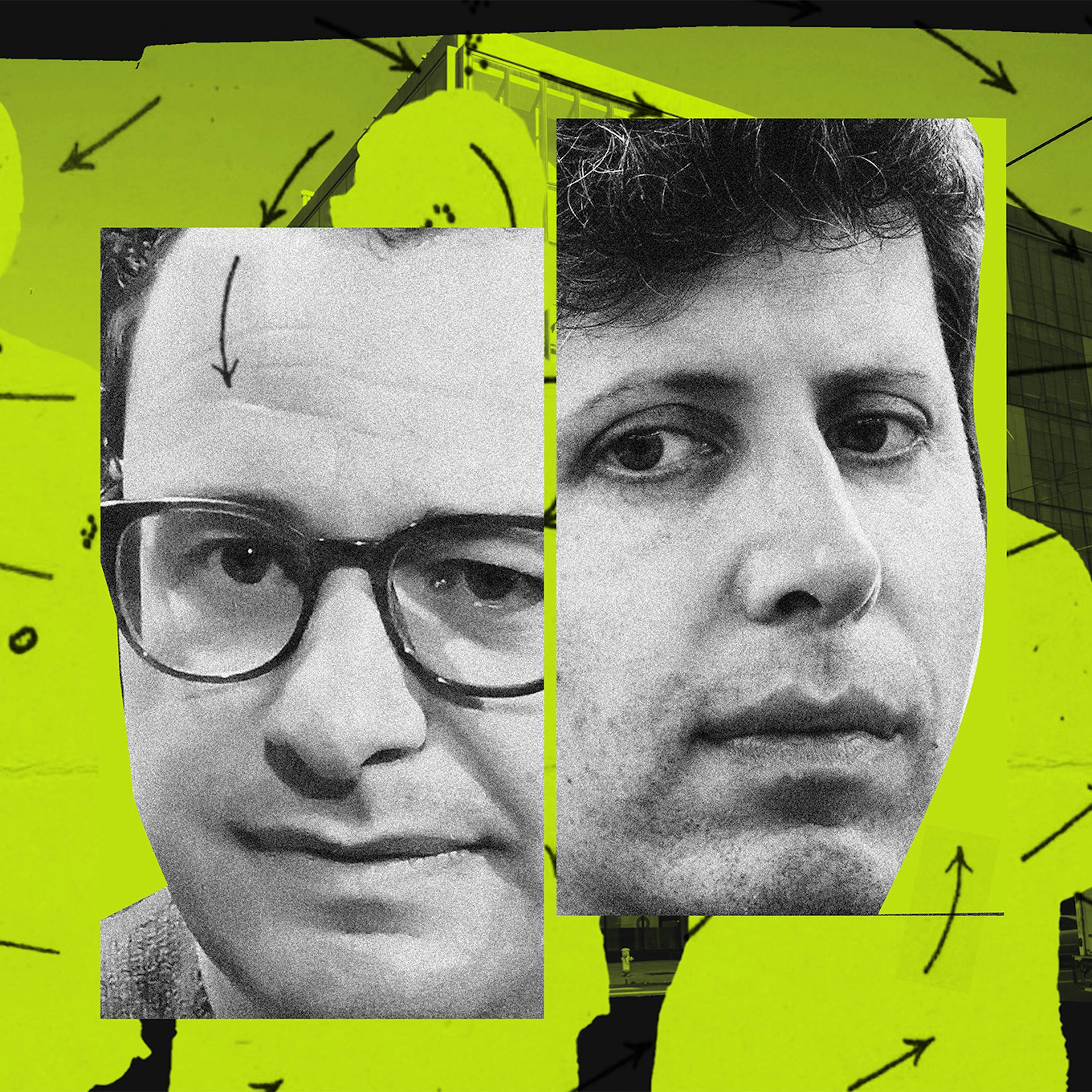
A fundamental tension within OpenAI's board was the catch-22 of safety. While some advocated for slowing down, others argued that being too cautious would allow a less scrupulous competitor to achieve AGI first, creating an even greater safety risk for humanity. This paradox fueled internal conflict and justified a rapid development pace.

Departures of senior safety staff from top AI labs highlight a growing internal tension. Employees cite concerns that the pressure to commercialize products and launch features like ads is eroding the original focus on safety and responsible development.

Eric Ries observed that every major AI company (OpenAI, Anthropic, etc.) has rejected standard corporate governance. They consider the technology too dangerous and have implemented structures with a "mission guardian"—an entity or person responsible for ensuring the company stays true to its safety-oriented mission above pure profit.

The competitive AI landscape has forced founders from pure research backgrounds to adopt a strong focus on financial returns. This shift from idealistic AGI pursuits to "hard capitalism" means they make rational R&D spending decisions, de-risking investor concerns.
An insider's view reveals OpenAI's founding narrative of "handling risk responsibly" became a rationalization. The company's true guiding principle shifted to a power-seeking incentive, prioritizing the race to AGI over its original safety-first mission, leading to the guest's resignation.

The mission to achieve AGI often conflicts with the commercial need to build a product. This creates a critical tension for founders: Should limited, expensive GPU resources be allocated to long-term research or to powering the revenue-generating product that funds that research?