Get your free personalized podcast brief
We scan new podcasts and send you the top 5 insights daily.
Impulse Space's Helios product is a high-performance third stage that attaches to a Falcon 9. It provides the extra propulsion to move payloads from LEO to GEO in a day, matching the capability of the much more expensive Falcon Heavy and bypassing months-long electric propulsion journeys.

Related Insights
Reusable rockets will efficiently deliver payloads to Low Earth Orbit (LEO), where specialized "space tugs" will then take over for the final, more efficient journey to higher orbits. This creates a new, more economical layer of in-space transportation infrastructure.
The entire strategy of building data centers in space is only economically feasible because SpaceX's Starship is projected to increase launch capacity by 20 times and drastically lower costs. This specific technological leap turns a sci-fi concept into a viable business model.
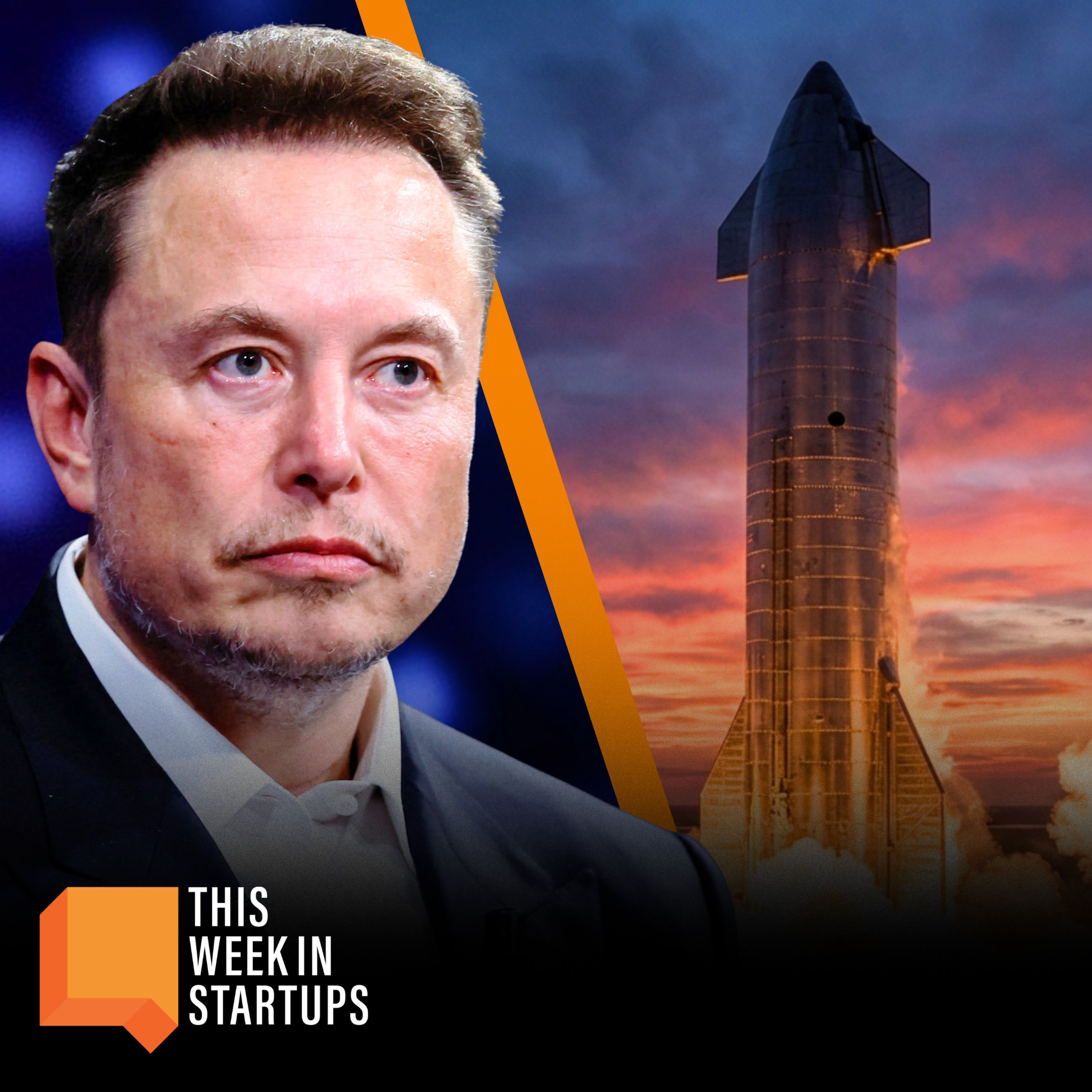
Unlike current rockets, Starship is designed for full and rapid reusability. This aircraft-like operational model is projected to drop the cost per kilogram to orbit from over $1,400 to potentially as low as $10, enabling an economic revolution for space-based infrastructure.

SpaceX acts like a container ship, dropping satellites into a general orbit. This creates a massive business opportunity for an entire ecosystem of 'last-mile' services, including orbital transport to specific planes ('FedEx of space'), debris removal ('Allied Waste of space'), and in-space power generation.

SpaceX can launch a kilogram into space for $1,500, while a key competitor costs over $9,000. This massive cost efficiency, combined with high launch frequency, creates a nearly insurmountable competitive advantage.

For geostationary (GEO) satellite operators, the 6-10 month journey to orbit delays revenue and adds costs. Impulse's Helios vehicle creates tens of millions of dollars in value per flight simply by reducing this transit time to hours, allowing satellites to generate revenue almost immediately.

Impulse Space's Series D was led by major SpaceX investors. Their bet wasn't just on existing progress but an endorsement that Impulse could be the next massive success in the space sector, signaling a belief in future market dominance over current metrics.
The merger leverages SpaceX's heavy launch capabilities to deploy space-based data centers for xAI, capitalizing on abundant solar power and the vacuum of space for cooling. This creates a massive competitive advantage by eliminating terrestrial energy and real estate costs.
Recent viability for orbital data centers doesn't stem from new server technology, but from SpaceX's Starship rocket. Its success in dramatically lowering the cost of launching mass into orbit is the critical, non-obvious enabler that makes the entire concept economically plausible for the first time.

The popular concept of a 'space tug' to move satellites within Low Earth Orbit is a dead-end market. Impulse Space's analysis revealed it suffers from a small addressable market, thin margins, and crippling working capital requirements, making it a trap for startups.