Get your free personalized podcast brief
We scan new podcasts and send you the top 5 insights daily.
The scarcity of new melanoma targets at the AACR conference doesn't indicate a solved problem. Instead, it reflects a strategic shift in the field. Researchers are prioritizing innovation in modalities (e.g., mRNA vaccines) and combinations with established PD-1 inhibitors to enhance efficacy, rather than focusing on discovering novel biological pathways.

Related Insights
Previously underperforming cancer targets like TIGIT and LAG-3 are seeing renewed interest. Innovative antibody engineering, such as creating bispecific antibodies that target multiple pathways simultaneously, is giving these 'failed' targets new life and potential for clinical success.

Dr. Patrick Baeuerle suggests that instead of engineering complex co-stimulatory signals into T-cell engagers, a more effective strategy is to combine them with standard-of-care treatments like chemotherapy or ADCs. This approach dramatically augments efficacy and has already prompted multiple Phase 3 trials.

Immuno-oncology is not a one-time fix because cancer cells are described as "smart" adversaries that quickly adapt and develop resistance. The future of treatment lies in staying a step ahead, constantly switching therapeutic mechanisms to outmaneuver the cancer's ability to learn.

T-cells have natural inhibitory signals, or "brakes" (like PD-1), to prevent over-activation. Some cancers exploit this. Checkpoint inhibitor drugs block these brakes, unleashing a patient's existing T-cells to attack cancer cells more aggressively. This approach has been miraculous for cancers like melanoma.

Pathways like integrins have long been of interest but lacked effective therapeutic approaches. The advent of new technologies, such as antibody-drug conjugates and checkpoint inhibitors, has created opportunities to re-explore these older targets with potent, modern drugs, breathing new life into decades-old research.
The next frontier in CSCC isn't just about new drugs, but about optimizing existing ones. A key research area is determining the minimum number of immunotherapy doses required for an optimal response—potentially just one or two—to limit toxicity, reduce treatment burden, and personalize care for high-risk patients.
While immunotherapy was a massive leap forward, Dr. Saav Solanki states the next innovation frontier is combining it with newer modalities. Antibody-drug conjugates (ADCs) and T-cell engagers are being used to recruit the immune system into the tumor microenvironment, helping patients who don't respond to current immunotherapies.
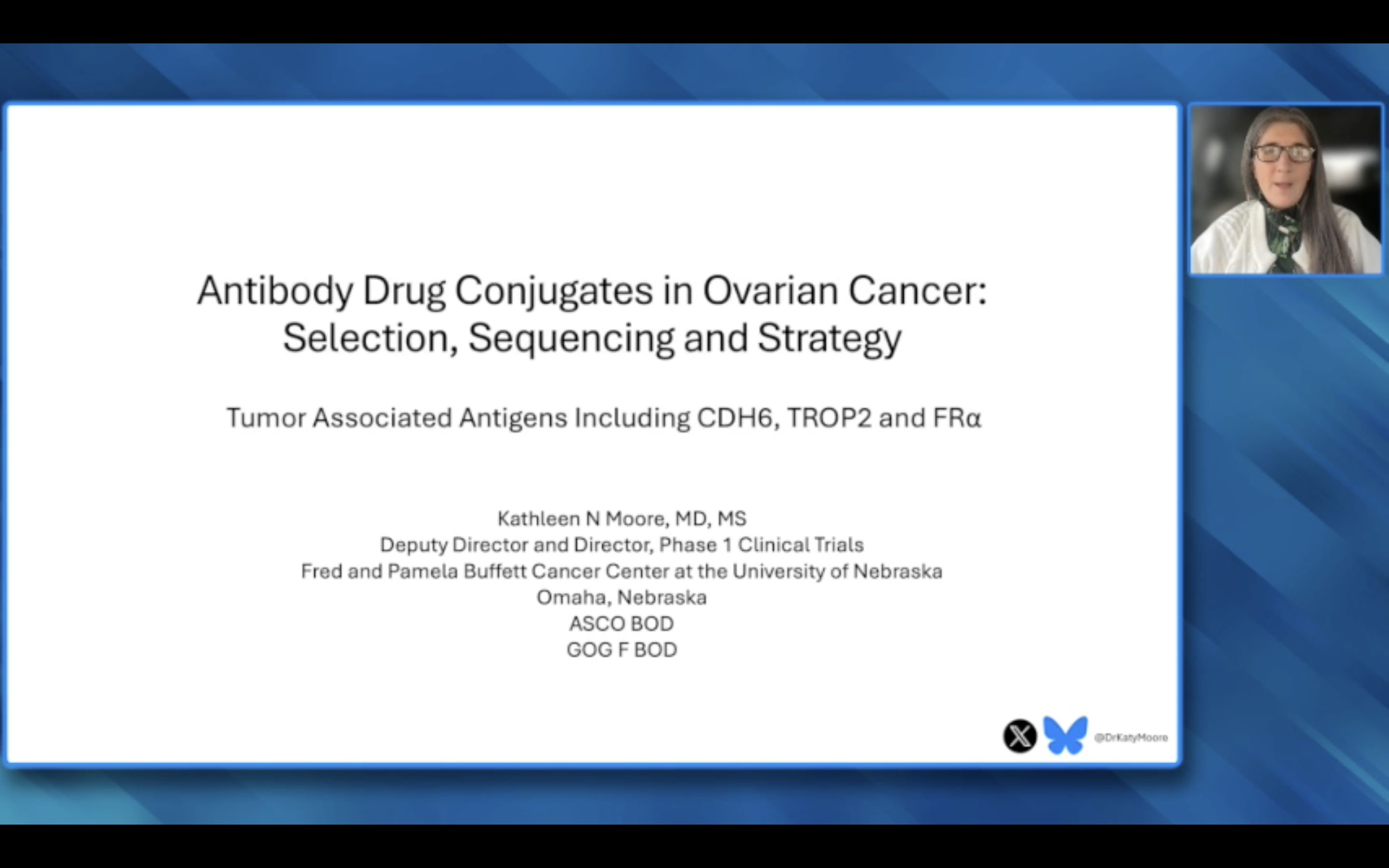
As multiple effective Antibody-Drug Conjugates (ADCs) become available, the primary clinical challenge is no longer *if* they work, but *how* to use them best. Key unanswered questions involve optimal sequencing, dosing for treatment versus maintenance, and overall length of therapy, mirroring issues already seen in breast cancer.
Rather than expecting cell therapies (CAR-T, TIL) to eradicate every cancer cell, Dr. Radvanyi reframes them as powerful adjuvants. Their role is to inflict initial damage, kill tumor cells, and release antigens, creating an opportunity to prime a broader, secondary immune response with other modalities like vaccines or checkpoint inhibitors.

Recent findings from the AACR conference show a trend away from discovering new T-cell function-promoting targets. Instead, researchers are focusing on novel targets that alter the tumor microenvironment, such as breaking down collagen or repolarizing immune cells, to make existing therapies like checkpoint inhibitors more effective.