Get your free personalized podcast brief
We scan new podcasts and send you the top 5 insights daily.
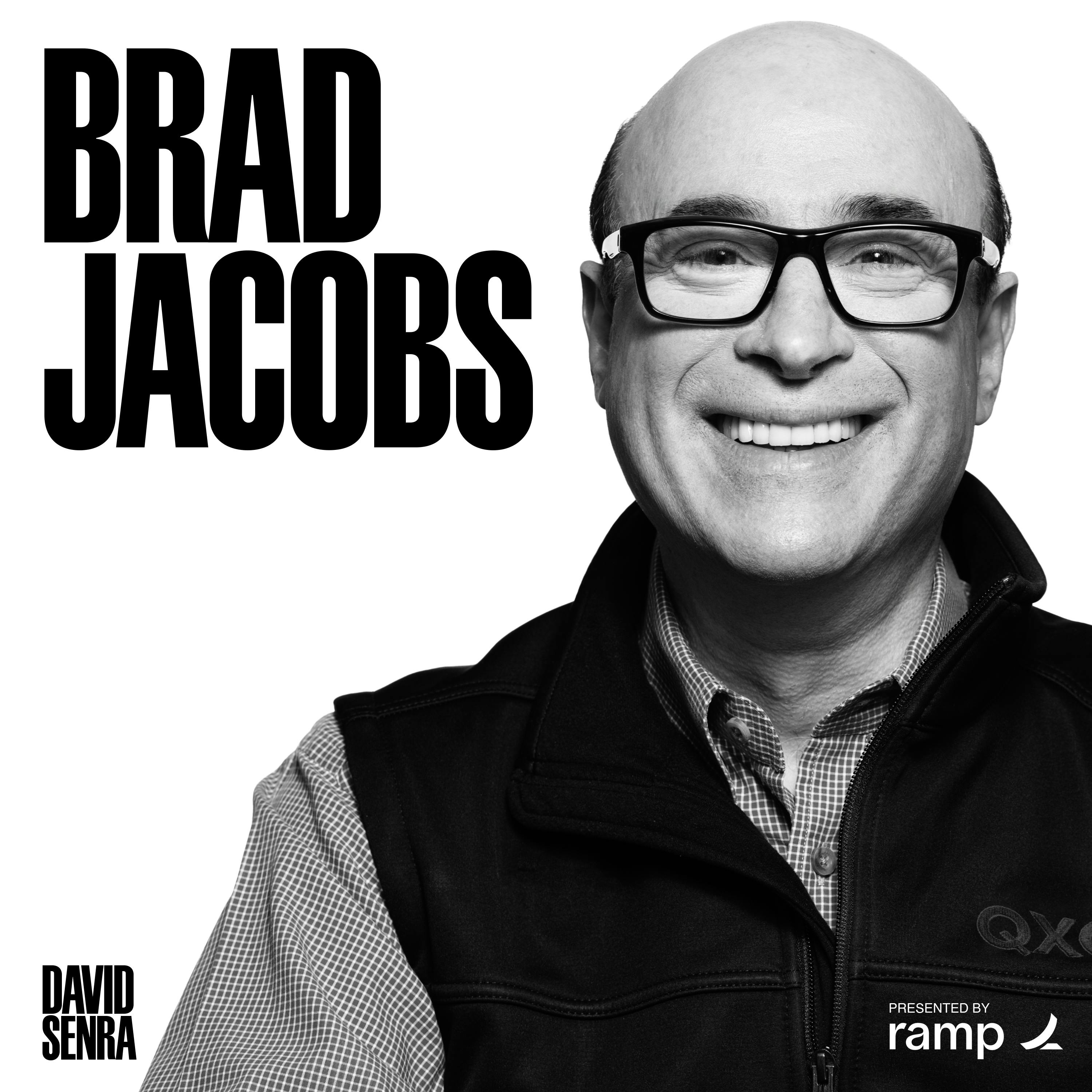
Drawing from Rational Emotive Behavior Therapy, Brad Jacobs combats perfectionism by reframing rigid demands (e.g., "I must be liked") as flexible preferences ("I prefer to be liked"). This simple linguistic shift prevents setbacks from being perceived as total failures, fostering a more resilient and healthier mindset for leaders.

Related Insights
During a period of clinical depression, Brad Jacobs underwent two years of cognitive therapy. This process was a turning point, helping him reframe his perfectionistic "musts" and "shoulds" into mere preferences. This shift allowed him to accept reality, reduce stress, and operate more effectively.
Top founders don't simply "tough it out" or present a stoic front. They actively manage the immense stress of their role through practices like therapy and setting boundaries. Suppressing emotions leads to burnout, whereas processing them leads to resilience and better decision-making for the entire team.

Leaders often mistake performance-limiting behaviors for inherent personality flaws. These "blockers" are actually learned beliefs—narratives we tell ourselves. This is crucial because beliefs, unlike traits, can be identified and reframed, unlocking new levels of effectiveness without changing who you are.
Instead of viewing problems as setbacks, Jacobs sees them as the very raw material for creating value. Solving obstacles for customers, employees, or within operations is how money is made. This mindset transforms stressful challenges into opportunities for growth and profit, preventing burnout.
The goal isn't to permanently erase a belief like "I can't make a mistake," as it is vital in high-stakes situations. Instead, adaptable leaders develop a portfolio of different mindsets. This allows them to consciously select the most effective belief for any given context, turning mental flexibility into a superpower.
To handle constant rejection, mentalist Oz Perlman created a separate professional persona. When a trick was rejected, it was "Oz the magician" who failed, not Oz Perlman the person. This emotional distancing prevents personalizing failure and builds resilience, a crucial skill for any public-facing role.

Koenigsegg intentionally reframes "problems" as "challenges." This linguistic shift is a powerful mental model that transforms negative roadblocks into positive opportunities for growth. It encourages a mindset where individuals see obstacles as a chance to build themselves up, rather than as difficulties to be endured.
Blaming external factors like a "bad market" or "no good talent" makes you powerless. Rephrasing the problem as a personal skill deficit—e.g., "I lack the skill to attract talent"—immediately makes it solvable because you can learn new skills. This puts you back in control of the outcome.

Borrowing from filmmaking, view communication slip-ups not as failures but as different "takes." This reframes errors as opportunities to try a different approach next time, reducing fear and encouraging experimentation and growth.
Adopt a new operating system for decision-making. Instead of evaluating choices based on an unattainable standard of perfection, filter every action through a simple question: does this choice result in forward progress, or does it keep me in a state of inaction? This reframes the goal from perfection to momentum.
