Get your free personalized podcast brief
We scan new podcasts and send you the top 5 insights daily.
When political commentators and experts label minor policy disagreements as catastrophic, they dilute their credibility. This constant outrage makes them unable to effectively condemn genuinely egregious actions, like potential war crimes, when they actually occur.

Related Insights
A destructive political pattern emerges where one party's well-intentioned but poorly executed policies (e.g., DEI initiatives) are used by the opposition as justification for a disproportionately extreme and damaging 'nuclear' response. This escalatory cycle benefits demagogues and harms effective governance.

A population can be habituated to war through gradual escalation. By starting with seemingly small, contained "lightning strikes," each subsequent step feels less shocking. This incremental approach can lead a nation into a major conflict without a single decisive moment of public debate or consent.

When a politician suddenly makes a previously ignored issue intensely important, they are likely employing misdirection. The goal is to control the news cycle and public attention, either to distract from a more significant action happening elsewhere or to advance a hidden agenda unrelated to the stated crisis.

President Trump repeatedly takes actions that foreign policy experts predict will be catastrophic. When these gambles do not result in the worst-case scenario, it reinforces his unconventional approach in the public eye and erodes the credibility of traditional institutions and their warnings.
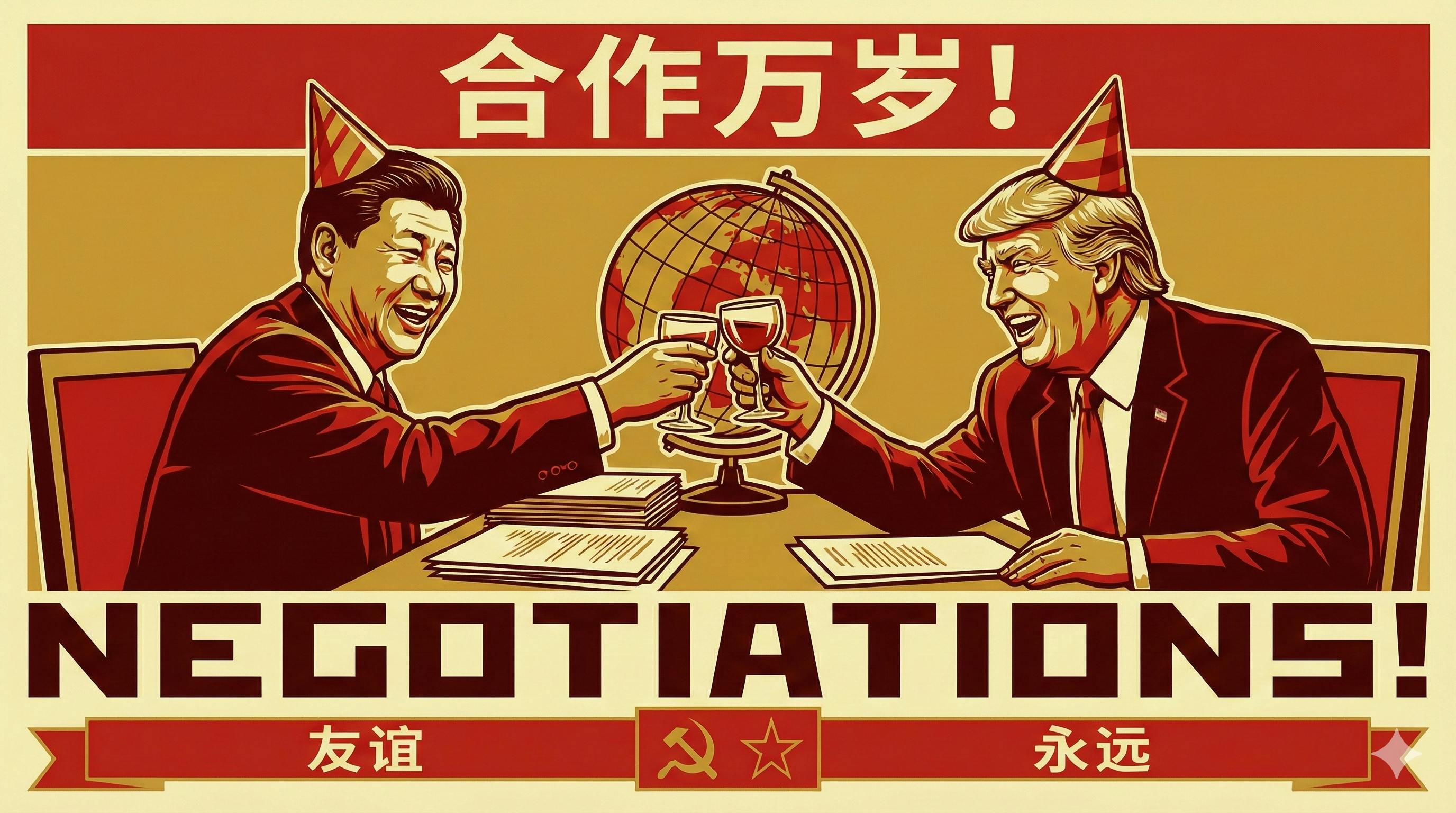
Constantly declaring "Sputnik moments" for every competitive challenge (like China's 5G or AI progress) has turned the term into a meaningless meme. This overuse desensitizes society and policymakers, making it less likely that they will take the threat seriously and commit to commensurate action.

People often agree on the facts of a political event but arrive at opposite conclusions because their internal 'threat monitors' are calibrated differently. One person's 'alarming authoritarian move' is another's 'necessary step for order,' leading to intractable debates.

While it's wise to question motives, the message has been over-emphasized. This has led to counterproductive cynicism where people distrust all experts and data, believing "it's all fake news" and relying solely on gut feelings instead of evidence.

Societies adapt to escalating geopolitical tensions much like a frog being slowly boiled. Threats that would have seemed outrageous months ago become the new normal, masking the true severity and risk of the current situation until it's too late.
A leader cannot expect credit for preventing a crisis, such as a nuclear attack, if the general public never felt it was a real threat. Such 'counterfactual' victories are ineffective because they don't solve a problem the average person was worried about.

When moderate leaders respond to radical actions with tepid statements instead of decisive opposition, they grant tacit approval. Their lack of a strong reaction acts as a "weather vane for normies," signaling to average citizens that the behavior is acceptable.
